If you’re planning to visit Fukuoka and are not sure what to do, I put together this 3-4 day Fukuoka itinerary with some day trip options to help you out!
Fukuoka is often skipped by people visiting Japan for the first time. As it’s located on Kyushu, it’s a bit far from the Golden Route, but it’s also a very easy addition if you keep travelling onwards from Hiroshima. With its own airport and very easy access to the rest of Kyushu, Fukuoka makes for a fantastic addition to your itinerary!
Especially if you’re looking to visit places in Japan away from the Golden Route, Fukuoka is a fantastic base to position yourself in for a few days. Not only is the city filled with history, shrines, temples, nightlife and more, but the Prefecture also has some of the best that Kyushu has to offer!
Here is my 3 or 4 day Fukuoka itinerary, with additional day trip options so you can truly make it your own!
3–4 Days in Fukuoka – Overview & Map
As Japan’s 6th largest city and the gateway to Kyushu, Fukuoka is a city often skipped by first-time visitors to Japan. And that’s a shame, because there is so much to see and do here! Plus, Fukuoka is also a perfect starting point for exploring the rest of Kyushu.
The Fukuoka area was divided, with Hakata as the main city, and Fukuoka being a smaller castle town nearby. The cities were combined by the Meiji Government in 1889. Even though Fukuoka won the name of this combined city, Hakata still has many references, including Hakata Station and Hakata ramen.
Fukuoka is easily reached from other areas of Japan or even abroad. With its international airport just 15 minutes from the main train station, Fukuoka can be reached through both international and domestic flights. Since the airport is so close to the city, you can use public transport or a taxi at the airport, or pre-book a private airport transfer without paying too much.
Fukuoka’s main train station, Hakata Station, is also well connected by Shinkansen. From Tokyo, a direct train can take you to Fukuoka in just under five hours. Many travellers add Fukuoka as a next stop after visiting Hiroshima, which only takes around 1.5 hours on the Shinkansen.

In this Fukuoka itinerary, the first few days are spent in the city, and afterwards, there are options for day trips (hence the option to have 3, 4 or 5 days). As the day trips can be easily done from Fukuoka, it’s best to pick one hotel for the full stay, to avoid having to move your luggage or change hotels and waste valuable time.
I have a larger, more in-depth guide on where to stay in Fukuoka, but here are my top picks in the city:
| Best For | Hotel Name | Highlights | Book Now |
|---|---|---|---|
| First-time visitors | Band Hotel Hakata | Perfect location close to all the main sights, but on a quiet street alongside the canal. Large rooms to properly open your luggage and very comfortable beds. | Check Availability |
| Near shops & sights | Mitsui Garden Hotel Fukuoka Gion | Easy to get to all main sights, lots of restaurants nearby and comfortable rooms. | Check Availability |
| Close to the main station for easier day trips | Tenza Hotel at Hakata Station | Next to Hakata Station for very easy access and day trips, large and comfortable rooms with enough space to open suitcases properly. | Check Availability |
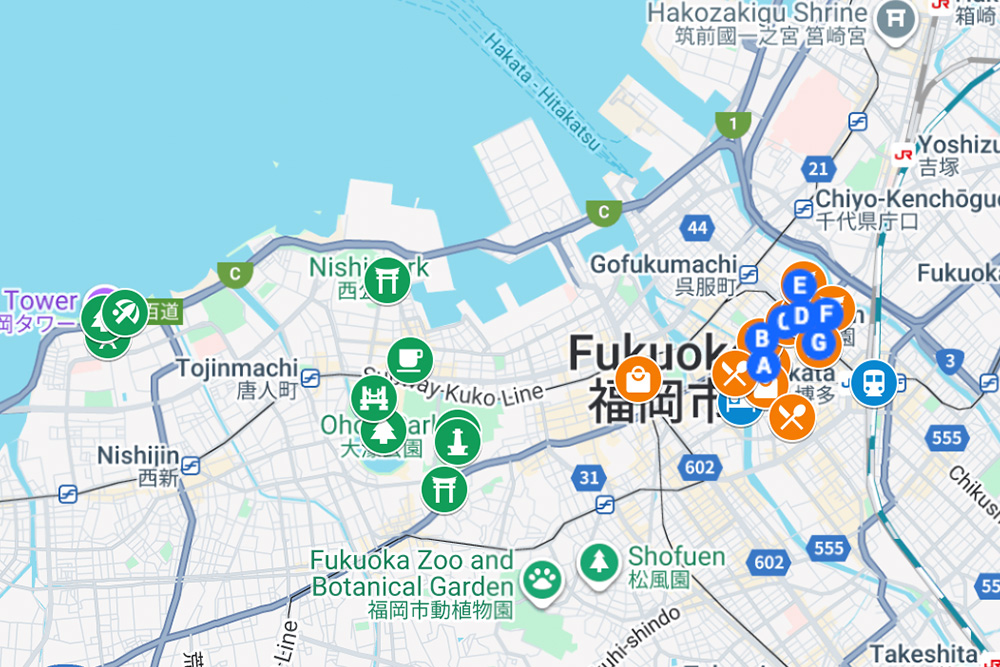
Below, you can find my interactive Google Maps, which includes all the spots mentioned in this itinerary, including sights, hotels, cafes, restaurants and more. Having Google Maps on your phone with internet access (through eSIM or Pocket WiFi) is one of the best ways to navigate your way through Japan, so I highly recommend it.


Stay connected to the internet during your trip to Japan (essential for using apps like Google Maps & Translate!) with the Journey Japan eSIM. They specialise in eSIMs in Japan, making them the best option for your next trip. I used it during my time in Fukuoka (and the rest of Kyushu), and it worked perfectly.
Day 1 – Fukuoka City / Hakata
On our first day in Fukuoka, we’re spending some time exploring the old town and the area around the canals. Here is a breakdown of what I recommend you check out on the first day in Fukuoka:
- Coffee at Sora Coffee: I always love finding a good local coffee shop to start the day, and Sora Coffee makes for the perfect start to our itinerary because of its great hand-drip coffee and perfect location. It’s only a short walk from Kushida Shrine Station.
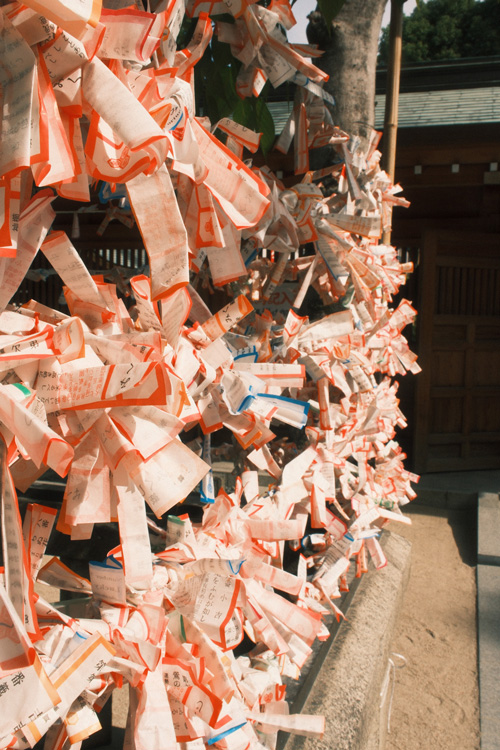
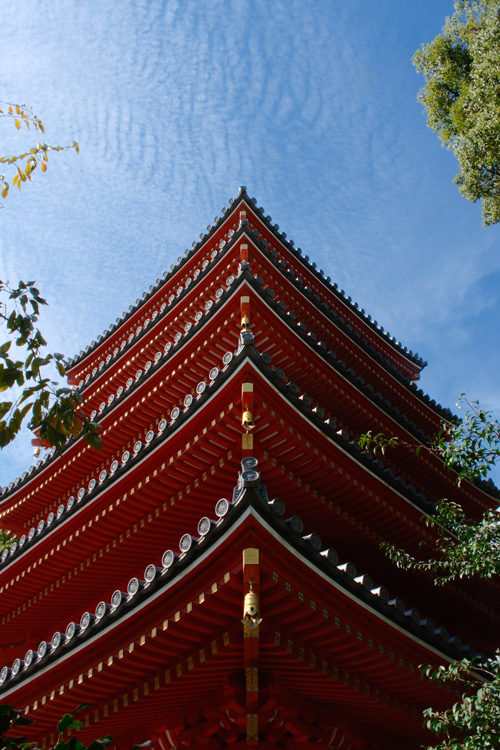
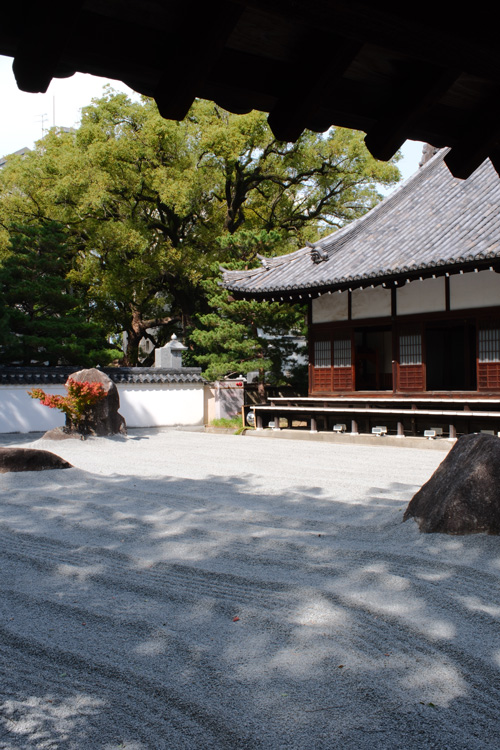
- Explore Hakata Old Town: The Hakata Old Town area makes for a perfect morning of exploring the many shrines and temples. There are a lot of them in this area, so I recommend visiting a handful of them on a walking route I’ve added to the interactive Google Maps for this Fukuoka itinerary. The main ones include Kushida Shrine (where you can see some of the Hakata Gion Yamakasa Festival floats), Ryuguji Temple (where you can find the gravestone of a mermaid), Tochoji Temple (dedicated to Kobo Daishi, and the Great Buddha of Fukuoka, which can be seen inside for a small fee), Shofukuji Temple and Jotenji Temple.



- Shopping in Tenjin Underground Mall & Canal City: Fukuoka is great for shopping. The Tenjin area has many stores, including Kyushu’s largest underground shopping mall (filled with shops selling souvenirs, clothing, and designer items). Canal City is another hot spot for shopping, easily recognisable thanks to its unique solar-punk design. You’ll find your usual chain stores here, but also some more themed stores, including the Disney Store, Ghibli Store and the Shonen Jump store. Canal City also has a water and light show in the central atrium, which can be viewed every 30 minutes.
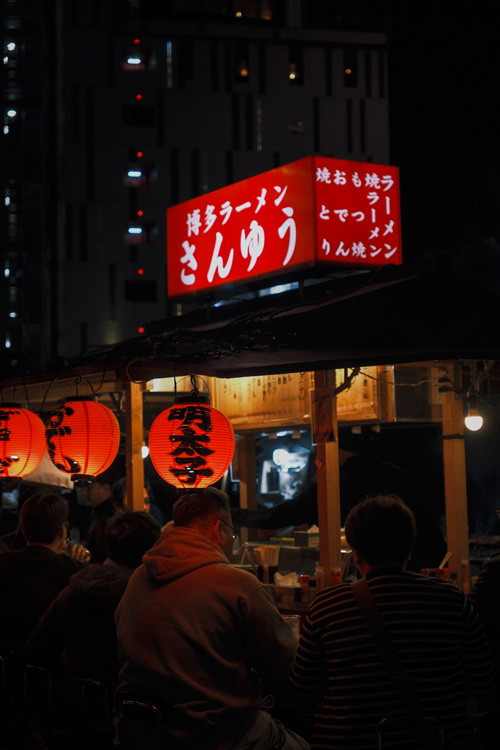
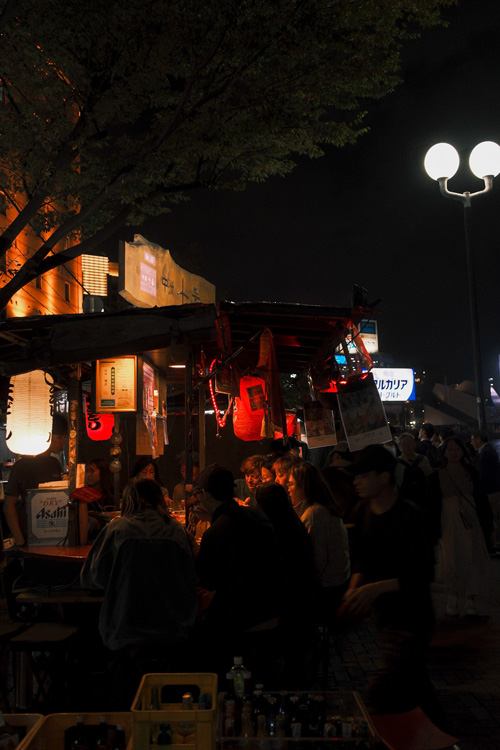
- Dine at the Yatai food stalls: The Yatai, or open-air food stalls, are a classic Fukuoka sight. They are lined up in several spots across the city, including Nakasu (just outside of Canal City along the riverside). Typically, they seat between six and eight people, and you can order quick dishes like Hakata ramen, yakitori, oden and gyoza, along with a (non)alcoholic drink. They usually open from 6pm until 2am. While the experience is fun, it did feel a little more catered towards tourists when we tried it, so just keep that in mind.


Day 2 – Fukuoka City
On our second day in Fukuoka, we will explore the rest of the city. There is so much to see and do in Fukuoka outside of the old town, so let’s have a look.
- Coffee at FUK COFFEE: The popular local coffee chain, FUK COFFEE, has multiple locations across the city, including one near Ohori Park. This makes it the perfect first stop on our second day in Fukuoka. The coffee is great, plus they sell some pastries to go alongside it.
- Visit the Fukuoka Castle Ruins: The grounds on which Fukuoka Castle once stood can be visited for free, and as they are so close to Ohori Park, it’s worth stopping by. This castle was once the largest on Kyushu, but not much of it remains to this day. The park itself has many cherry blossom trees, making it a great spot if you’re visiting in March or early April. You can also climb part of the remaining castle for a lovely view of Fukuoka.
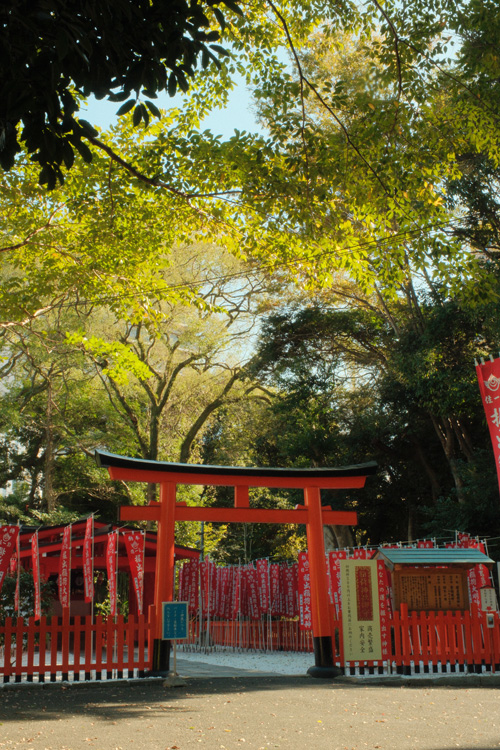
- Stop by Fukuoka Prefecture Gokoku Shrine: Dedicated to the spirits of those who died in wars since the Meiji Restoration, Gokoku Shrine is worth a stop before heading to Ohori Park. The shrine grounds are spacious and well-kept. You’re welcomed by a large wooden torii gate, and when we visited, there was barely anybody else there. I haven’t seen it on many other itineraries, either.
- Explore Ohori Park: This large park in Fukuoka makes for a lovely midway stop during our day. The park has a large pond on which you can rent swan boats. A few small islands sit in the middle of the pond, and you can walk between them across stone bridges. It’s very peaceful! In the park, you can also find the Fukuoka Art Museum and some coffee shops.


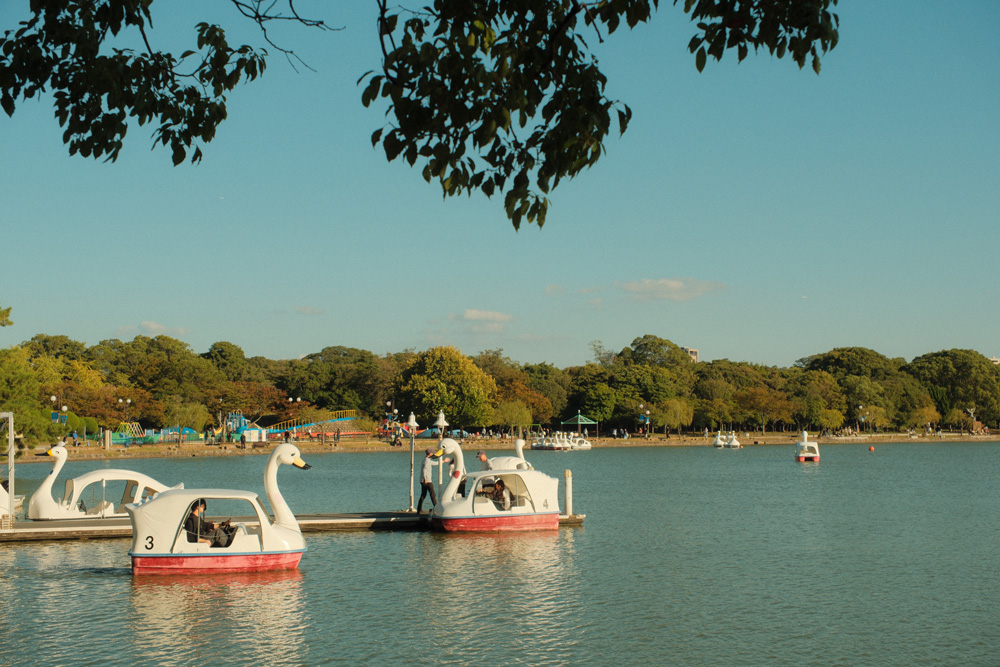
- Enjoy Momochi Seaside Park & Beach: Momochi Beach Park is a perfect place to grab a drink and a snack. Multiple beach bars sell food, and there are some seats to watch the Fukuoka skyline and Hakata Bay. It’s a great spot to watch the sunset, or you can head over to Fukuoka Tower for the sunset.
- View Fukuoka from above in Fukuoka Tower: The viewing platform, which gives you a 360-degree view of Fukuoka City, is open from 9:30 am until 10 pm (last entry at 9:30 pm). Entree costs ¥1,000. The tower itself also lights up at night. The official website shows you what colours are used every day as it changes. The best time to go up is just before sunset, so you can watch the sky change colours.
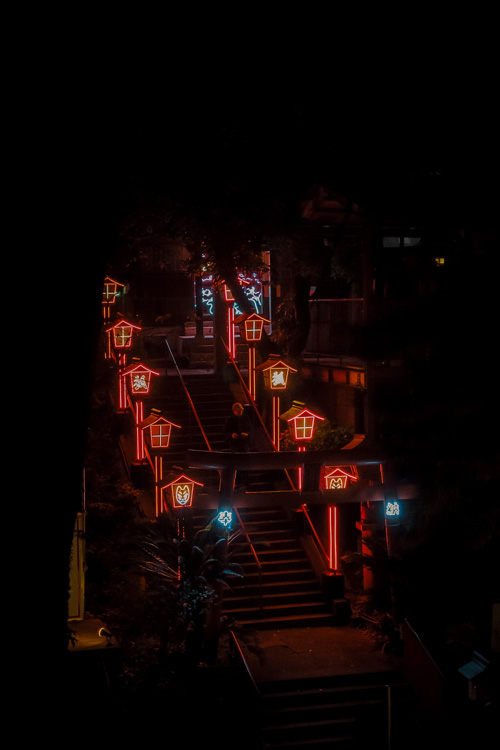
- (Optional) Visit Fukuoka’s Cyber Shrine: Nakatsukasa Magotaro Inari Shrine is a slight detour from Fukuoka Tower back to central Fukuoka, but it’s a very good spot that may be worth visiting if you have enough time. The small shrine is lit up with LED lights, turning the traditional building into a cyber shrine. There isn’t much else to see around it, but it was great visiting and seeing such a unique shrine while we were in the area.
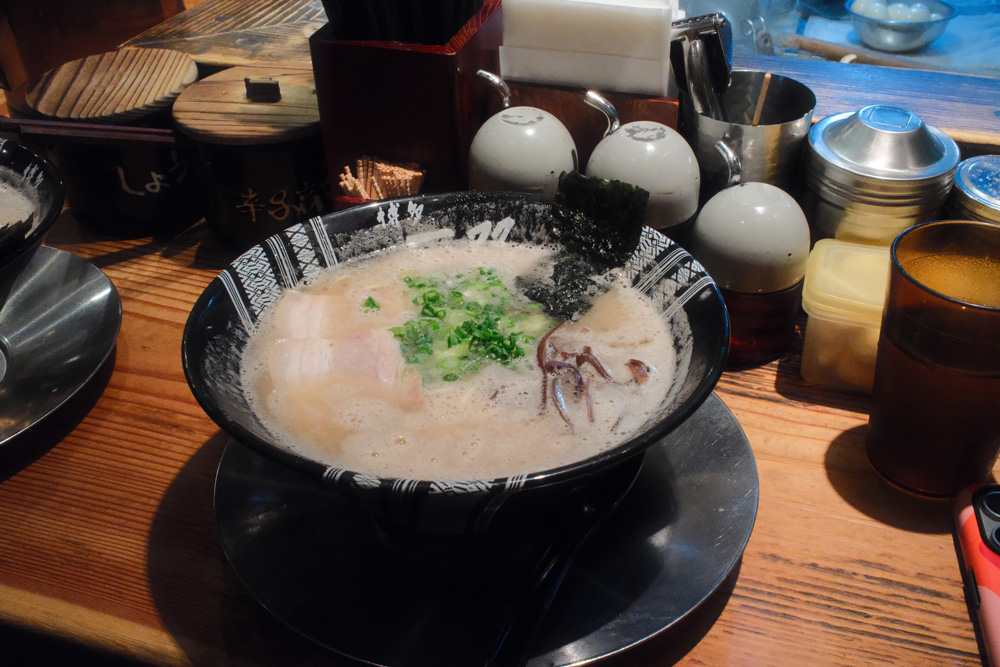
- Dinner Hakata Gyoza Yuushin OR Hakata Issou Honten: For dinner, there are two spots that I would highly recommend, depending on where you’re staying. If you’re staying in central Fukuoka, Hakata Gyoza Yuushin is a fantastic spot for the famous Fukuoka Gyoza (and lots of other things). It has an amazing atmosphere, and the food is incredible. If you’re staying near Hakata Station, I would head over to Hakata Issou Honten for a steaming bowl of Hakata Ramen instead. The smell can be a bit strong, but it’s part of the experience!


Day 3-4 – Day Trips From Fukuoka
As Fukuoka is so well connected, it makes for a perfect base for taking day trips to see more of the Prefecture (or beyond). Especially since there is so much to see and do near Fukuoka, it’s a great idea to spend some of your days here exploring what else it has to offer.
Depending on how many days you’ve got to spend in Fukuoka, I’ve added two of my favourite day trips as options below. All are doable by public transport, but it’s also possible to do them by rental car.
Day Trip Option 1 – Yanagawa ( & Dazaifu) Day Trip From Fukuoka
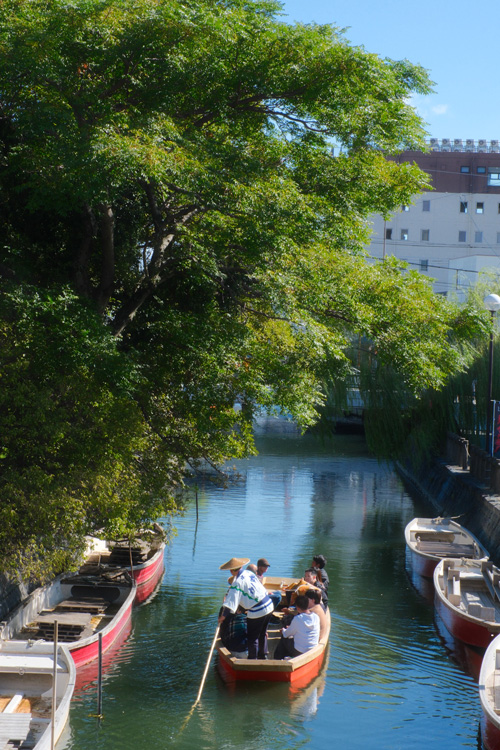
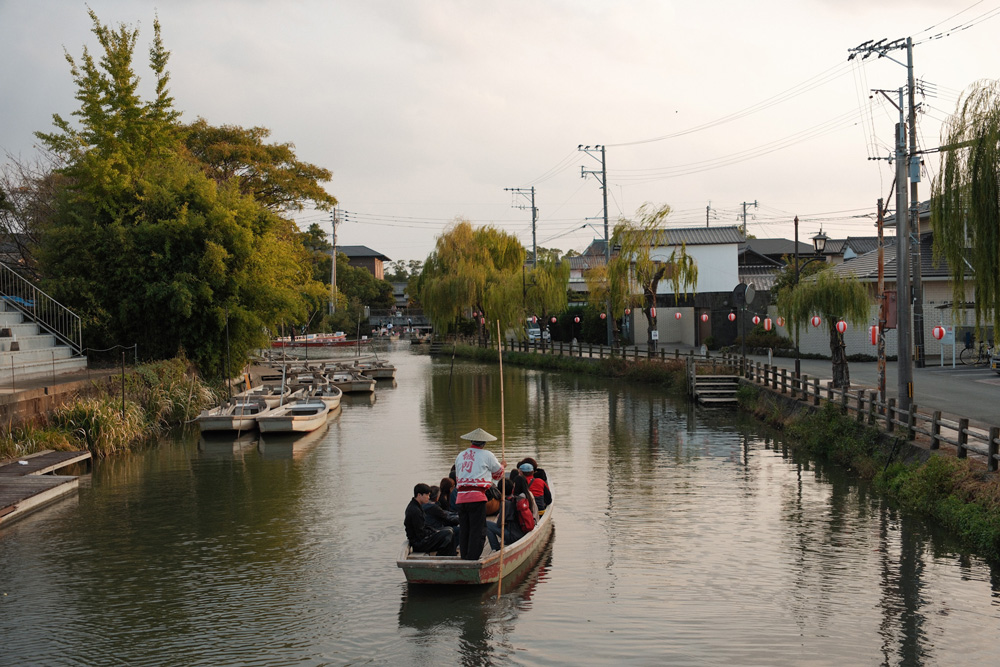
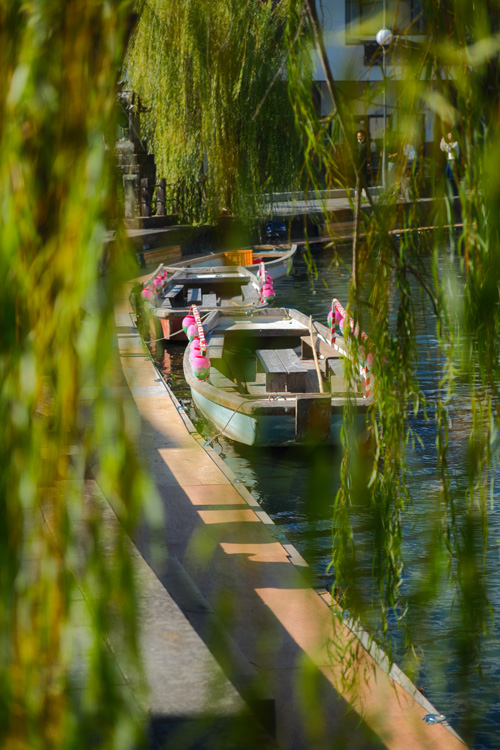
Yanagawa is one of my personal favourite spots in Fukuoka Prefecture. The scenic town has a well-preserved old town, with willow-lined canals allowing tons of punting boats to transport people through the area. It’s also known as the Venice of Kyushu (not to be confused with Kurashiki, the Venice of Japan).
Visiting Yanagawa can easily fill a day trip (or even an overnight stay, especially if you’re visiting during one of Yanagawa’s festivals). However, as Dazaifu is located on the way from Fukuoka, you can choose to stop off here in the morning. This, of course, depends on your interests and how much time you have in Fukuoka.
Dazaifu is mainly known for its beautiful Dazaifu Tenmangu Shrine, which many students visit to pray for good exam results. The shrine gardens are especially beautiful in late February to early March, when the 6,000 plum trees are blooming.

If you want to visit both, using the Dazaifu and Yanagawa Sightseeing Ticket makes combining these two popular spots even easier. The discount ticket includes a round trip from Fukuoka, a boat ride in Yanagawa and extra discounts usable across two consecutive days. Staying overnight in Yanagawa can also be a great idea if you have enough time or happen to visit during one of the town’s evening light-up events. All while still being able to use the discount pass.
Whether you want to visit both or just Yanagawa, you start your day in Fukuoka. If you want to visit Dazaifu first, you can get there in around 20–30 minutes from Fukuoka. Alternatively, you can skip the next section and head straight to Yanagawa, which should take just under an hour.
If Dazaifu is on your itinerary for a half-day, here are the best things to do when visiting:
- Stroll through Monzen Machi: To get to the main shrine area from the station, you’ll have to walk through the busy Monzen Machi shopping street. The souvenir shops and street food vendors do feel a bit overly touristic (a Ghibli Store and Starbucks are always a big giveaway…), making this street my least favourite part of the area. However, when you’re there, make sure to try the local delicacy umegai mochi, which are sold pretty much anywhere in this area.
- Pet one of the ox statues: There are 11 ox statues scattered across the temple grounds. Petting their head is said to make you smarter, tying in with the shrine’s guardian deity of academics.
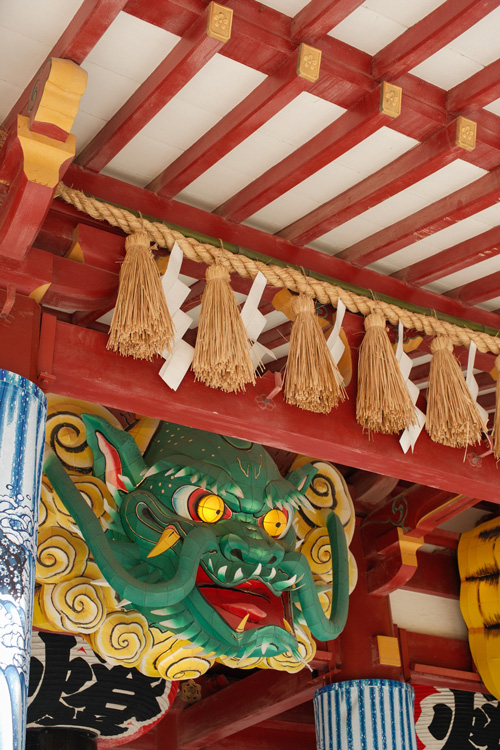
- Visit Dazaifu Tenmangu Shrine: The main sight to visit in Dazaifu is Tenmangu Shrine. Dedicated to the spirit of Sugawara Michizane, a famous scholar and politician, the shrine has become a popular place for students to pray for better school results and passing their entrance exams. You can get an ema plaque to pray for better grades, alongside the hundreds of blue omikuji (fortune-telling strips) tied to the wires and branches. The main shrine is currently being renovated (until 2026/2027), but the temporary shrine is also very beautiful, with trees growing from its roof.
- Explore the Shrine Garden: Other than the shrine itself, the shrine gardens are worth some extra time. Shinji-ike pond has three vermillion bridges you can cross, and allows you to walk through beautifully kept garden grounds. It is especially beautiful in late February to early March, when the 6,000 ume (plum) trees are in full bloom.
- Visit the Kyushu National Museum: Depending on how much time you want to spend in Dazaifu, visit the Kyushu National Museum. There is lots and lots to see, so you’d probably want to account for around 1.5–3 hours for a visit at least.




(Optional) The Dazaifu area is also home to three Pokémon Manhole Covers. The one just outside the station can easily be added to this itinerary if you like finding pretty manhole covers in Japan. The other two are a bit further away. One sits just in front of the remains of the Dazaifu Government Office, which in itself is a bit disappointing to visit and not really worth the detour, in my opinion. The third one sits in another rural street. More info about their exact locations can be found on the Pokémon Manhole Cover website.
All in all, half a day in Dazaifu is more than enough to see the main sights and have enough time leftover to head towards Yanagawa. From Dazaifu, it should take around 40–50 minutes. There is more to see in Yanagawa, and you could easily spend a full day here, so make sure to consider what you’d prefer to see before deciding to add Dazaifu to this day trip.
When in Yanagawa, here are the best things to do and see:
- Visit Mihashira Shrine: One of the main shrines in the Yanagawa area can be found just a short walk from the train station. It’s also the place for the annual Onigie Festival. The shrine grounds are worth having a little stroll before going to our next stop.
- Ride one of the punting boats: One of the best things to do in Yanagawa is to take one of the punting boat rides. A few different companies are offering these boat rides, all taking a slightly different route. One of them offers rides from Mihashira Shrine (which is included in the Dazaifu and Yanagawa Sightseeing Ticket) and takes you right into the old town. The ride itself takes around an hour and gives you the best views of Yanagawa.
- Visit Tachibana-tei Ohana and Shoto-en Garden: When in Yanagawa old town, it’s worth visiting Tachibana-tei Ohana and its garden. Formerly owned by the Tachibana feudal lords, the building blends Japanese and Western styles perfectly. The garden is especially beautiful.
- Have a coffee/matcha at Yanagawa Hakusyu: If you’re after a quick coffee or matcha stop, you can’t go wrong with Yanagawa Hakusyu in the centre of the old town of Yanagawa. They use yame matcha, which comes from Fukuoka Prefecture, and it may have been the best matcha I’ve ever had.
- Try Yanagawa’s steamed eel: Unagi no Seriomushi is a Yanagawa speciality, a perfect option for lunch or dinner. Freshwater eel is stopped with a sweet soy sauce and steamed on top of a layer of rice in a bamboo box. There are quite a few restaurants in Yanagawa that serve this signature dish. I tried it at Maneidou Unagi on the main street in the old town, and it was incredible!
- Walk by the canals: To get back to the station, you can either take a return trip on the punting boats or you can also walk along the canals. It’s free (compared to paying for another hour boatride), and also a bit quicker (30–40 minutes). It’s a great way to see some more of the town before heading back to Fukuoka.

Day Trip Option 2 – Nanzoin Temple & Sasaguri (Optional Temple Stay)
Nanzoin Temple (南蔵院) is probably the most popular (half-)day trip from Fukuoka. At 41 meters long and 11 meters high, Nanzoin’s reclining Buddha Statue is the largest in the world.
While I think it’s definitely worth taking the trip out, most people skip the rest of Sasaguri, the town in which you can find Nanzoin Temple. Especially since visiting Nanzoin Temple on its own doesn’t take longer than 2–3 hours, including the journey from and to Fukuoka, I’d recommend spending a bit more time in the Sasaguri area.
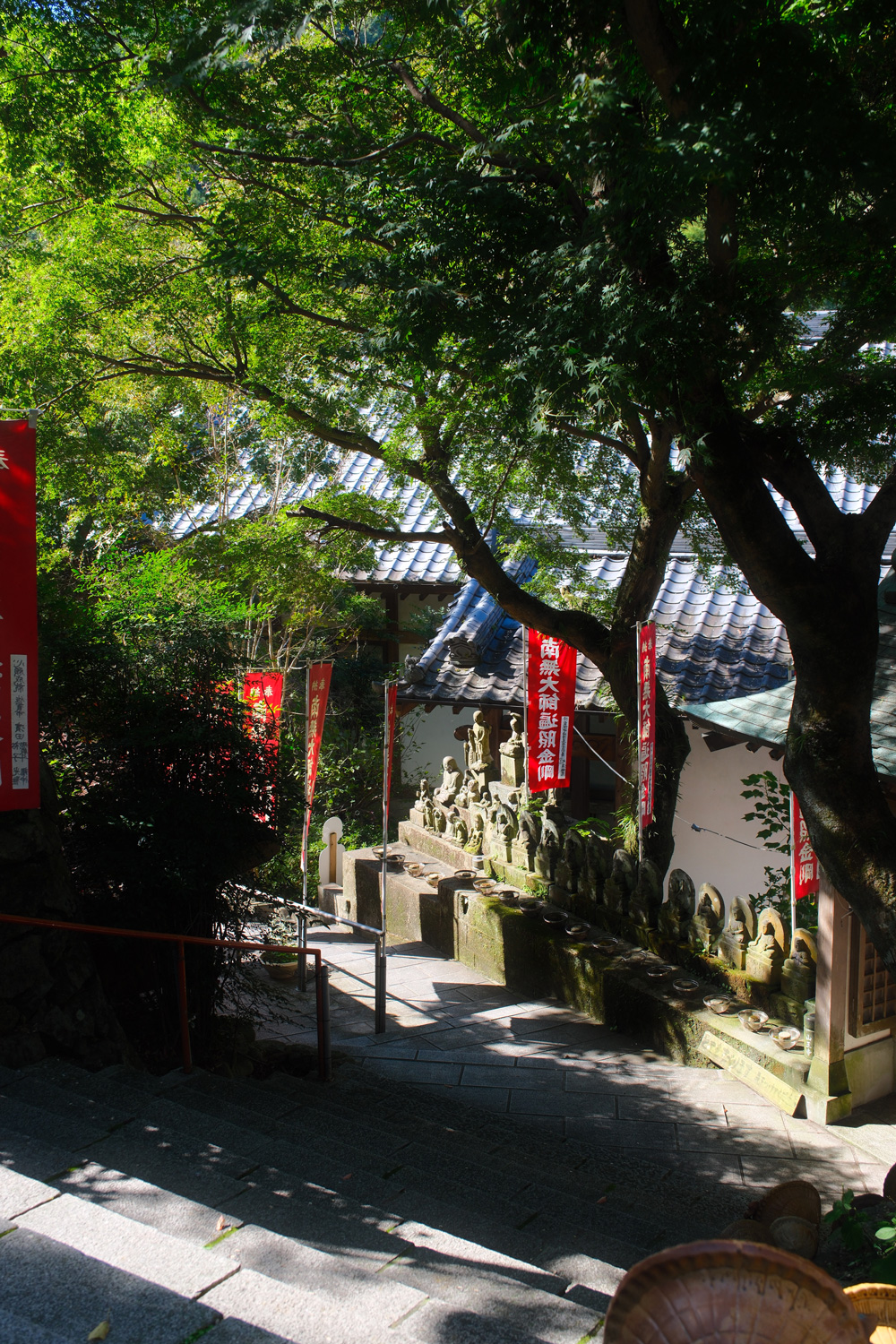
Sasaguri is mainly known for its pilgrimage and temples. Inspired by the Shikoku Pilgrimage, the Sasaguri Shikoku Pilgrimage also passes 88 temples. However, instead of covering 1,200 kilometres, like the route in Shikoku, the Sasaguri version spans around 50 kilometres. Nanzoin Temple is the first temple of the route, so why not visit a few more yourself?
But let’s start with Nanzoin Temple first.
You can get the train from Hakata Station to Kidonanzoin-Mae Station, which takes around 25 minutes. From there, you can walk to the entrance of Nanzoin Temple in just a couple of minutes. Along the way, you’ll cross the Melody Bridge. The bridge has xylophone-like metal keys on both sides, allowing visitors to play Japanese children’s songs.
When arriving at Nanzoin Temple, you’ll see a lot of signs warning visitors to behave in a respectful way. It’s very sad to see that the temple has been forced to put up signs reminding people that this is a place of worship, not a “sightseeing” spot. When visiting, please stick to the visitor’s rules and be respectful.
Nanzoin Temple grounds cover more than just the reclining Buddha. When entering, you can walk towards the 45th Pilgrimage Site (Inner Sanctuary of Nanzo-in Temple). Stairs guide you through a forest with waterfalls and large rocks topped with countless smaller statues. You can even enter a couple of caves.

Following the other side of the temple grounds, you will head towards the reclining Buddha. There is a small entrance fee for tourists (free for Japanese residents). First, you’ll have to pass through the Tunnel of the Seven Gods of Fortune. The tunnel is decorated with countless copper-plate Jizo figures. Every single one of them has been donated by pilgrims.
Before I headed to the Buddha, I stopped by the shrine shop to pick up an omamori amulet and see if they had any omikuji. To my surprise, they offered a water version of the Japanese fortune-telling strips (水みくじ). Similar to regular omikuji, you randomly select a fortune, but instead of being able to read it right away, this one needs to be in contact with water first. On the side, you can soak the paper in water, where it will reveal the fortune.
When arriving at the Buddha, you’ll immediately be impressed by its size. Built in 1995, the reclining Buddha is the largest of its kind and weighs 300 tons. On the side of the statue, you can try to balance a coin on the soles of his feet as an offering. Surprisingly, it wasn’t as busy as I expected when I visited.


Sasaguri is also a certified Forest Therapy Base, where you can partake in forest bathing. The Sasaguri Kyushu University Forest has an easy 30-minute course you can walk as part of it. It’s also home to the sunken forest, where some ancient bald cypress trees have their roots covered in the lake (most of the time, when I visited, the water was very low, sadly!), looking almost otherworldly.
For the rest of the day, I recommend checking out a couple more shrines that are part of the Sasaguri Shikoku Pilgrimage. Sannoji Temple, in particular, is worth the extra visit.
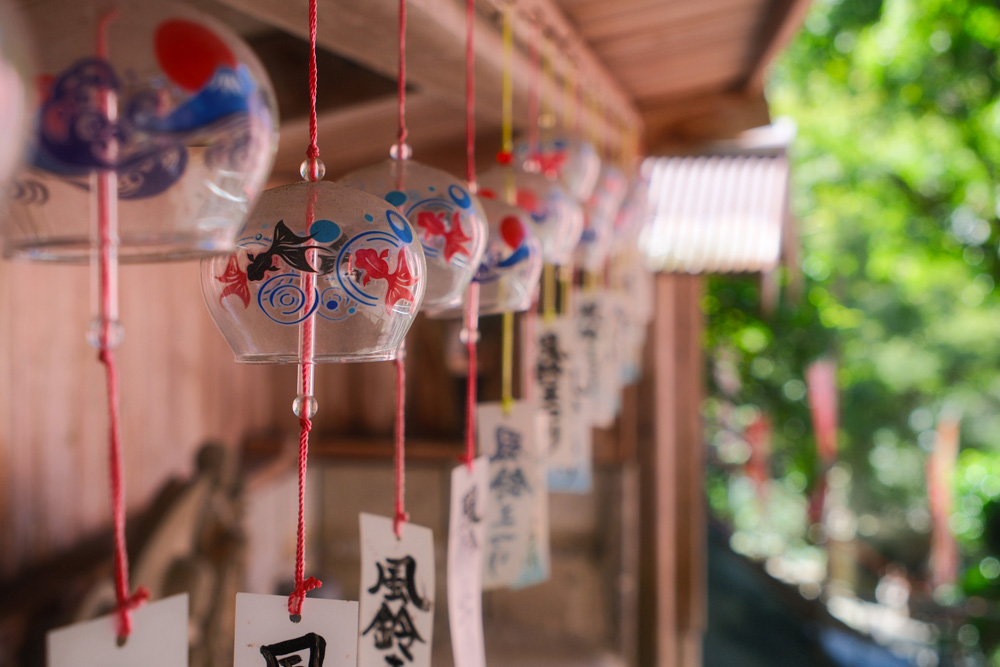
Due to its many tanuki statues, the temple is sometimes also called Tanuki-dera, but its main claim to fame is the wind chime festival they host every year. Between May and October, the temple puts up around 4,000 colourful wind chimes.
With so many temples in Sasaguri, there are a few possibilities to stay the night in a temple. I’ve stayed in a temple in Koyasan before, which is one of the most popular places for shukubo (temple lodging), but when learning more about Sasaguri, I decided to stay at a temple here too.
There definitely aren’t as many options in Sasaguri compared to Koyasan, where there are over 50 temples offering shukubo. The temples offering overnight stays are listed on Sasaguri’s official website. I ended up staying at Dainicihya Inn, which is adjacent to the 43rd temple of the pilgrimage, Akashiji Temple.
One of the big reasons why I wanted to stay here is because of the experiences offered here, including sutra copying. It’s something I’ve wanted to do for years, so seeing this as an option made it an easy choice. The head monk of the temple took us to the inside of the temple, where we sat down and listened to his explanation about the sutra. Afterwards, we were left to copy the sutra at our own pace. It was very relaxing, almost meditative.
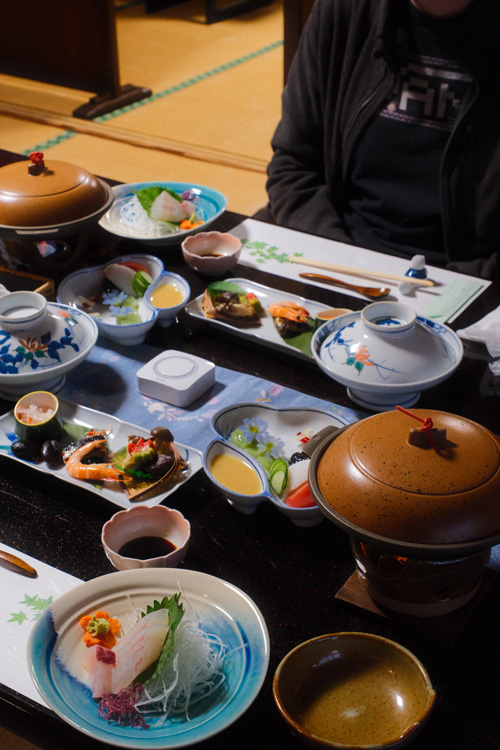
The temple also offers different experiences, including an ajikan meditation and flower arrangement. The experiences come at an additional cost of ¥3,000, but as the price of staying overnight also includes a very elaborate dinner and breakfast for a very affordable price (especially compared to prices of staying in Koyasan), it’s very much worth it.
We got to enjoy a warm bath after dinner before we curled up in our futon in the room upstairs. It was one of the best stays we’ve had in Japan, and one that I couldn’t recommend more. The head of the temple and his wife were incredible hosts and made sure we had everything we needed during our stay.


There are a ton of other day trips you could take from Fukuoka, including Itoshima, Nokonoshima Island, Huis ten Bosch and Beppu. Nagasaki is often cited as a good day trip from Fukuoka, too, but I think you need more than one day in Nagasaki because there is so much to see. Only having one day, especially with the journey from and to Fukuoka, would make the visit way too rushed. I have a 2-day Nagasaki itinerary in case you want to add some time in the city after visiting Fukuoka.
Is Fukuoka Worth Visiting? Conclusion
Fukuoka is definitely a city worth visiting, especially if you have extra time to see more of the Prefecture. Having spent a couple of weeks in Fukuoka before heading further down the rest of Kyushu Island gave me a great impression of what the city has to offer, and I am already planning a return trip.
Especially as Fukuoka is relatively easy to get to by plane or Shinkansen, it could be such an easy addition after following the Golden Route. And as the city is so well-connected with the rest of Northern Kyushu, you can easily venture out further after your stay here. If you want to see more of Kyushu, you can also check out our larger Kyushu itinerary covering the whole island.







Well done Nele.