A first trip to Japan is best planned without overstuffing your itinerary, and that can be tricky! Even after nearly 10 trips to Japan (sometimes visiting for 2-3 months at a time) and having extensively travelled through 26 of the 47 prefectures, there is still so much I want to see and do.
You don’t need to see everything on a first trip. You’ll have to leave some for your second visit 😉 Two weeks is enough to properly see a few places, rather than skimming 10+. I remember planning my very first trip to Japan in 2018, and so much has changed since.
I now know exactly what I would recommend my friends and family to see if they’d be visiting Japan for the first time, and this two week Japan itinerary shows you that route. I’ve added some optional day trips here and there so you can really make it your own.
What’s New in 2026?
Tax-free shopping is changing from November 2026
The instant 10% tax-free discount will be replaced with a pay-now, refund-at-the-airport system. You’ll pay full price in-store, then claim the 10% back before you board. Keep all receipts and allow extra time at the airport. If you’re visiting before November 1, the old system still applies.
JR Pass price increase coming in October 2026
The JR Pass is set to see another price increase in October 2026 when bought through overseas agencies. However, the JR pass often isn’t worth buying anyway. When following this itinerary, it’s cheaper to get individual tickets. Always run the numbers before buying a JR pass (national or regional) to make sure it actually saves you money.
New Kyoto accommodation tax rules
As of March 2026, the accommodation tax in Kyoto has increased. The amount you’ll pay per person per night depends on your room rate (up to ¥10,000/person/night for very luxurious rooms). You’re likely to pay between ¥200 and ¥1,000/person/night for an average room.
Two Weeks in Japan Overview & Map
Spending two weeks in Japan is the perfect amount of time when you’re visiting for the first time in 2018. It’s exactly how long I spent in Japan during my very first trip. After having returned to Japan nearly 10 times since then, I’ve perfected this itinerary to help you avoid any mistakes I’ve made.
This itinerary loosely follows the famous Golden Route, along with some personal alterations I think are worth adding for a better experience. If you follow this guide, it will take you to Tokyo (3 days), Mount Fuji (1 day), Hakone, Nikko or Kamakura (2 days), Kyoto (3 days), Osaka (1 day), Nara (1 day), Himeji (1 day), Hiroshima (1 day) and Miyajima (1 day).
While I’ve added quite a few places in this itinerary, you don’t have to drag your luggage around every day. In the next section of this guide, I recommend the cities you should book accommodation in (including some of the favourite hotels and areas I’ve loved staying in over the years). Since you can visit most locations on a day trip, you only have to change hotels a couple of times.
Two weeks give you a great first impression of Japan without rushing. If you have more time, you can also check out my 3-week Japan itinerary for an additional week (or add my 7-day Kyushu itinerary, Shikoku itinerary or Hokkaido itinerary for alternative routes across Japan).
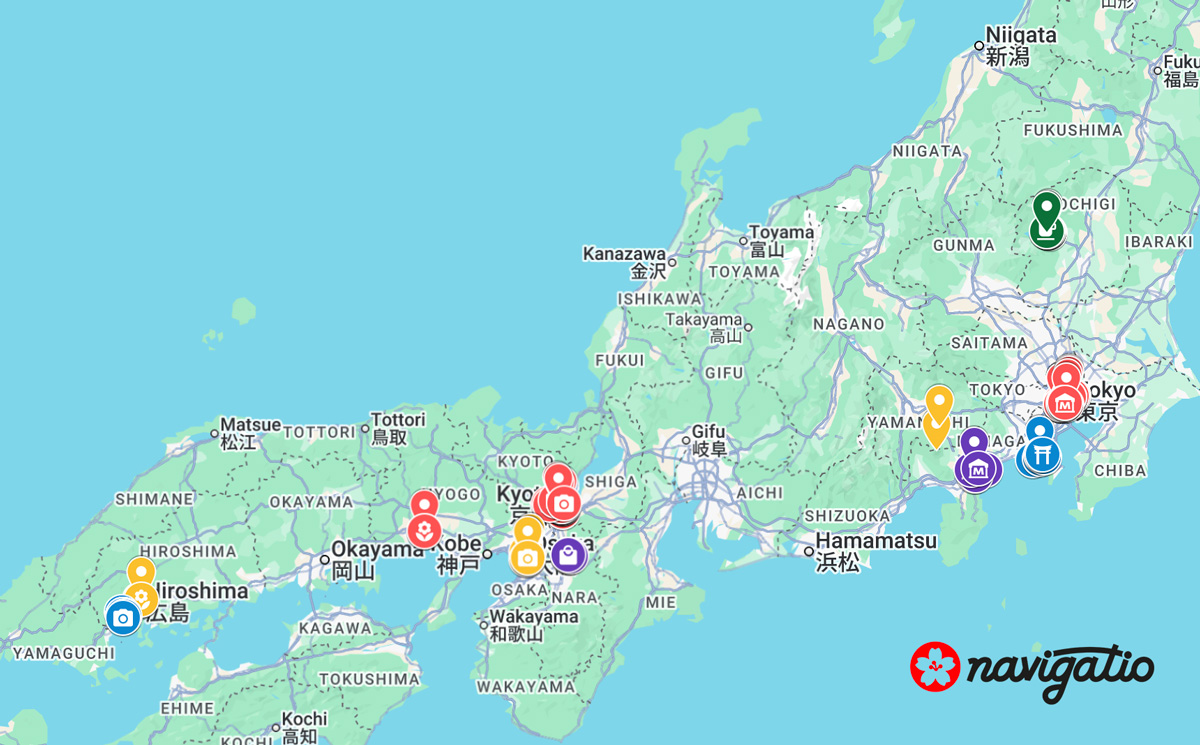
Below, you can find a map of the points of interest in this itinerary. If you download Google Maps, you can use the interactive map during your trip to not miss out on anything mentioned in this guide. Along with all the highlights mentioned in this itinerary, the Google Maps below includes some of my favourite coffee shops, restaurants and stores to check out during your trip.

Stay connected to the internet during your trip to Japan (essential for using apps like Google Maps & Translate!) with an eSIM. Journey Japan eSIM specialises in eSIMs in Japan, making them the best option for your next trip. (Read our full review here)
Where to Stay in Japan for Two Weeks
To avoid having to drag your luggage around every single day during your two weeks in Japan, it’s best to book a few “home” bases and take day trips from there. Public transport in Japan is very reliable and easy to use, so let’s make the most of it.
The locations in this itinerary are well-connected. I’ll highlight any discount passes for public transport you can buy to make your day trips even easier to navigate. To make the most of your time in Japan, I recommend booking accommodation in the following places for the set days:
| Days | City | Recommended Hotel/Area |
|---|---|---|
| 1–6 | Tokyo | Where to stay in Tokyo (full guide) |
| 7–11 | Kyoto | Where to stay in Kyoto (full guide) |
| 12–14 | Hiroshima | Where to stay in Hiroshima (full guide) |
The Perfect Two Week Japan Itinerary
Here is my two-week Japan itinerary, tried-and-tested for first-time visitors:
Arrival Day in Tokyo (Day 0)
Most international travellers arrive at one of Tokyo’s two airports: Haneda or Narita. While a lot of people recommend only flying to Haneda, as it’s closer to the city, I don’t necessarily agree. Yes, Narita is a bit further, but it’s very easy to travel to Tokyo from Narita. I believe the price of the flights, number of layovers and arrival time are much more important!
From either airport, you can take public transport, hire an airport transfer or get a taxi. I have separate guides on how to get to Tokyo from Haneda Airport and from Narita Airport with all your options and information on times and prices.
It’s a good idea to pick up an IC card (Suica or Pasmo) at the airport train station. You can also add it to your iPhone, as it’s one of the best Japan travel apps available. These passes are pre-paid e-money cards that let you use public transport all across Japan.
You can use the first day to travel to your hotel and slowly adjust to the time zone. The best way to set yourself up for success when it comes to jet lag is to not go to bed too early. Drink enough water and have meals at your usual dinnertime. Try to stay up until at least 9 or 10 pm. You may wake up very early and feel a bit sluggish, but you will adjust in a few days.
Where to Stay in Tokyo
Since the first six days of this trip are in and around Tokyo, I recommend booking your hotel in Tokyo for the first six days. To avoid having to carry suitcases around, it’s much easier to stay in the same hotel. You can then bring a backpack on any day trips you plan to take.
As Tokyo is one of the largest and busiest cities in the world, it may be a little overwhelming to choose where to stay. For first-time visitors, I’ve enjoyed staying in Minato, Asakusa and Roppongi.
My guide on where to stay in Tokyo includes an even more in-depth breakdown for different types of travellers, but here are my recommendations for first-time visitors:
| Area | Best For | Hotel | Book Now |
| Minato | First-time visitors | Park Hotel Tokyo | Check Availability |
| Asakusa | Budget travellers | Hotel Sunroute Asakusa | Check Availability |
| Roppongi | Luxury | The Prince Park Tower Tokyo | Check Availability |
Tokyo (Day 1 – 3)
Day 1 – Tokyo
Tokyo is such a big city that you could easily spend a month here and not get bored (I’ve spent multiple months in Tokyo and my list of places to visit only grows!). However, since we want to make the most of our two weeks in Japan, I planned the following three days in Tokyo for you.
The start of this itinerary gives you a great first impression of Tokyo, allowing you to explore most of the main highlights of this beautiful city! Here is what I recommend you do on the first day in Tokyo:
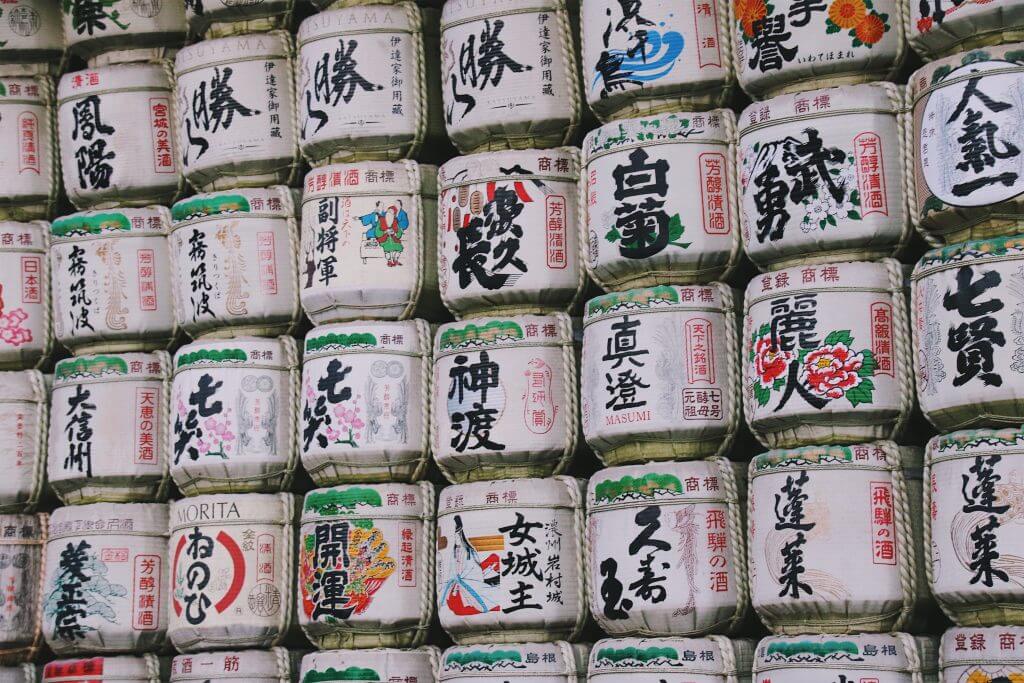
- Visit Meiji Shrine: This beautiful shrine can be found in one of the biggest parks in Tokyo. A giant wooden torii gate welcomes you near Harajuku Station, guiding you through a forest of over 100,000 trees towards the shrine. You can also find the iconic wall of over 200 traditional sake barrels here.
- Shop in Harajuku: Near Meiji Shrine lies Takeshita Street, one of Harajuku’s most popular shopping streets. Keep walking to get to Omotesando for even more stores. You may even see some people dressed up in Harajuku-style fashion.
- Try Purikura: Unlike the basic photo booths you find in the West that you can use to take plain passport pictures, Japan has Purikura! These kawaii photo booths let you take pictures with cute filters. Afterwards, you can edit them and add stickers, text and more. The photos are printed, and you can take them home as the perfect Japan keepsake.
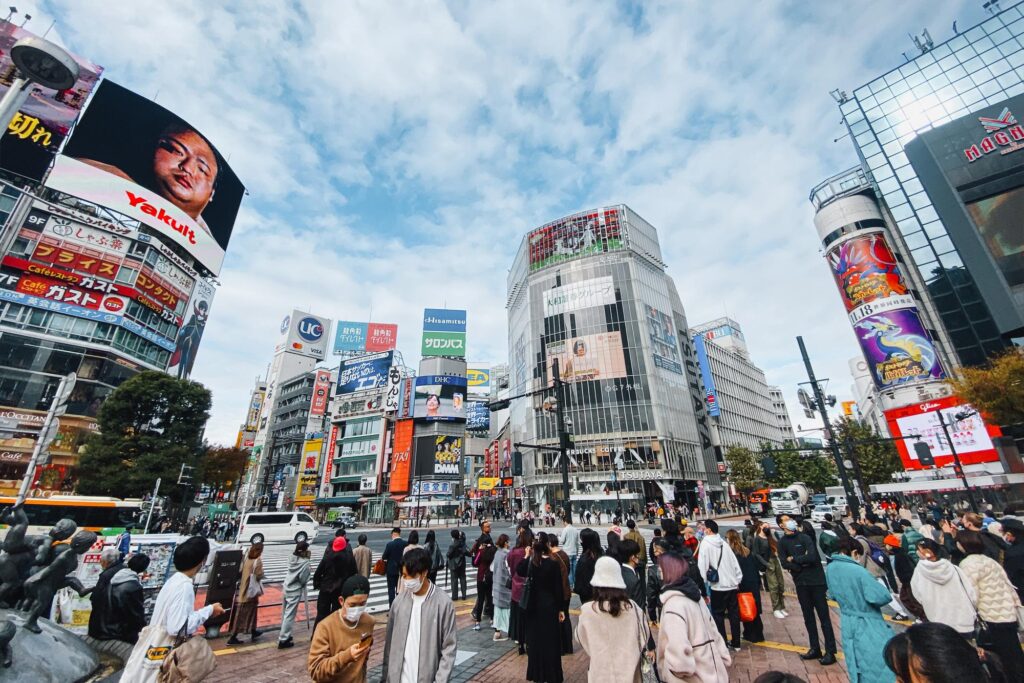
- Walk across Shibuya Crossing: Shibuya is only a short metro ride (or 15-minute walk) from Harajuku and is home to the famous Shibuya Crossing. Named the busiest crossing in the world, it’s a popular sight to visit in Tokyo. Visit L’Occitane Cafe, Cé La Vi or the newly renovated Starbucks for a drink and a view over this iconic spot.
- Hachiko Statue: Just outside of Shibuya Station, you can find Hachiko Statue. This famous dog was given a statue after he waited for his owner to return to Shibuya Station for years.
- Enjoy Tokyo from above at Shibuya Sky: For one of the best views in Tokyo, head over to Shibuya Sky. This 360-degree open-air observation deck is quite popular, so make sure you book tickets in advance (around 30 minutes before sunset is the best time to go, in my opinion). On a clear day, you can even see Mount Fuji in the distance.
- Get food and drinks in Shibuya Centre Gai: Exploring Shibuya Centre Gai is one of the best things to do in Tokyo at night. This narrow street in Shibuya is a popular place for people to shop, eat and drink. Head over here after enjoying the views from Shibuya Sky, just in time to grab some dinner and even a drink or two at one of the many izakayas.


Travel Tip
Even in 2026, public WiFi isn’t very reliable in Japan. It’s best to get a Pocket WiFi or eSIM for a stable internet connection so you can use Google Maps and Google Translate. In my full guide about Pocket WiFi and eSIM, I’ve compared both options and shown the pros and cons.
Day 2 – Tokyo
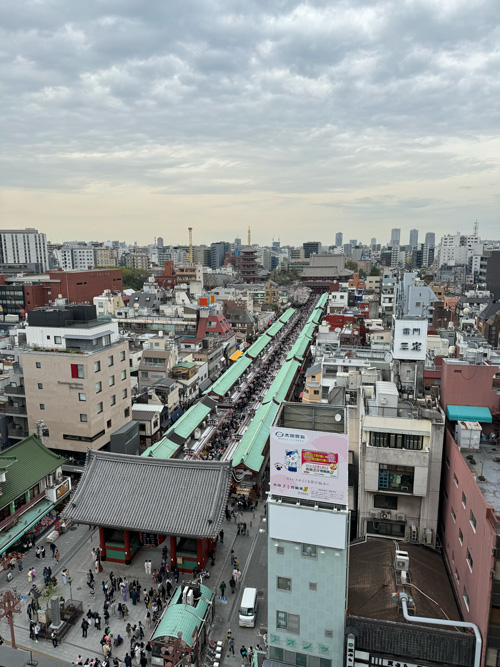
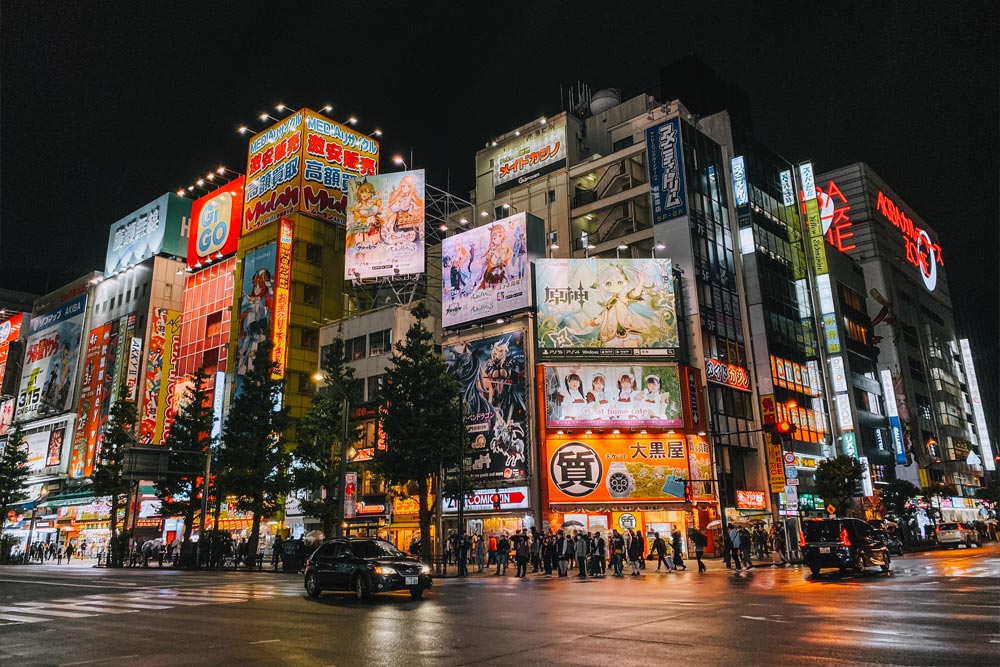
On your second day in Tokyo, I recommend visiting Asakusa, Ueno and Akihabara. It’s quite a contrast going from one of the most traditional parts of Tokyo (Asakusa) to a part that goes by the nickname “Electric Town“, but it gives you a chance to see quite a few of Tokyo’s main sights:
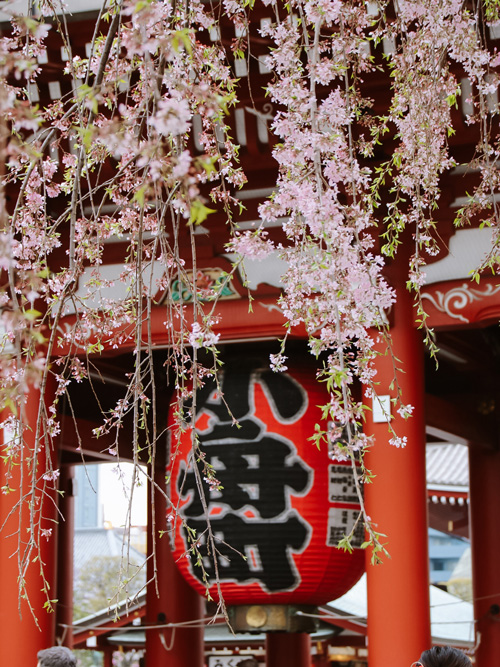
- Explore Senso-ji Temple: Senso-ji Temple is the oldest temple in Tokyo, dating back to the year 645. The temple grounds are covered with the most beautiful buildings and gardens, making it one of the best landmarks in Japan.
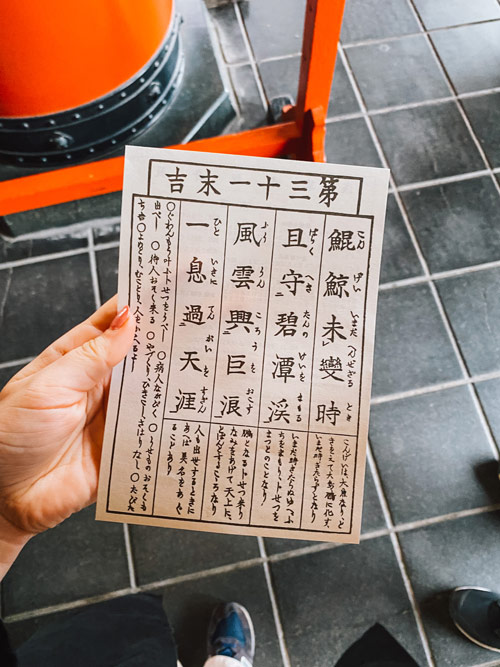
- Try o-mikuji: This Japanese form of fortune-telling can often be done at temples in Japan, and Senso-ji is no exception. It’s very simple: you pay 100 yen and shake the wooden box until a stick falls out. The stick has a number written on it. The number will correspond with your fortune, from “very fortunate” to “a great curse”.
- Shop on Nakamise Street: Just outside the main temple, you can find Nakamise Street. This 200-meter-long street is filled with independent vendors selling souvenirs and snacks. Before entering Nakamise Street, you can also stop by the Asakusa Culture Tourist Information Centre and head to the 8th floor for a lovely free view of the street.
- Visit Ueno Park: Ueno Park is one of the best places in Tokyo to enjoy cherry blossoms. If you’re visiting Japan in late March or early April, make sure to add this to your itinerary. But even outside of cherry blossom season, you can find some great museums here. There are also a couple of Pokémon manhole covers you can spot inside the park.
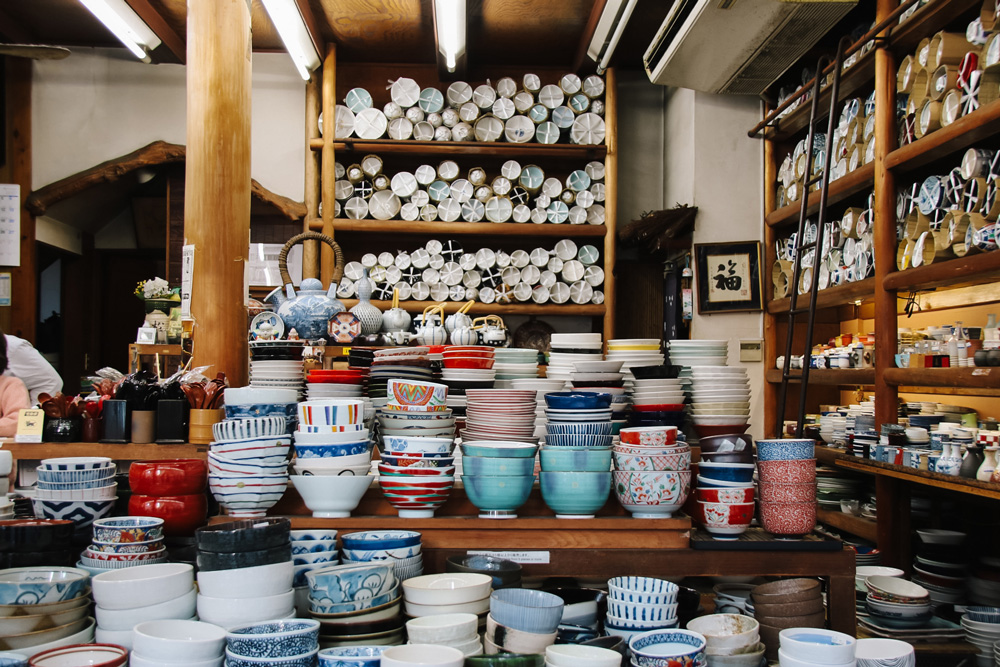
- Shop for Japanese knives in Kappabashi: Between Asakusa and Ueno, you can find a street filled with the best shops for anything kitchen-related. Cups, bowls, chopsticks, pans, and… Japanese knives. Japanese knives are famous for their unmatched quality and sharpness, and Kappabashi is one of the best spots to buy one to bring home.
- Have lunch or shop in Ueno Ameyoko: This lively, open-air market is perfect for some shopping or a quick lunch. The atmosphere is amazing and definitely worth a visit while you’re in the area.
- Explore Akihabara: Also known as “Electric Town”, Akihabara is the place for any anime or video game fan. It’s filled with stores selling retro video games, anime figures and more. If you’re a pop-culture fan, make sure to spend some time exploring this area (and have enough room in your suitcase!). I highlighted my favourite retro game shops on the interactive map for this guide.
- Play in the arcades: Akihabara is also home to countless arcades. Japan has its fair share of arcades, and they’re super fun to try yourself. Make sure to go beyond the first floor. The crane machines, which you can normally find on the first floor, are fun, but the better (less cash-grabby) games are found upstairs.
Day 3 – Tokyo
As you arrive at your last full day in Japan’s capital city, I recommend ticking off a few more highlights before you venture outside of Tokyo:
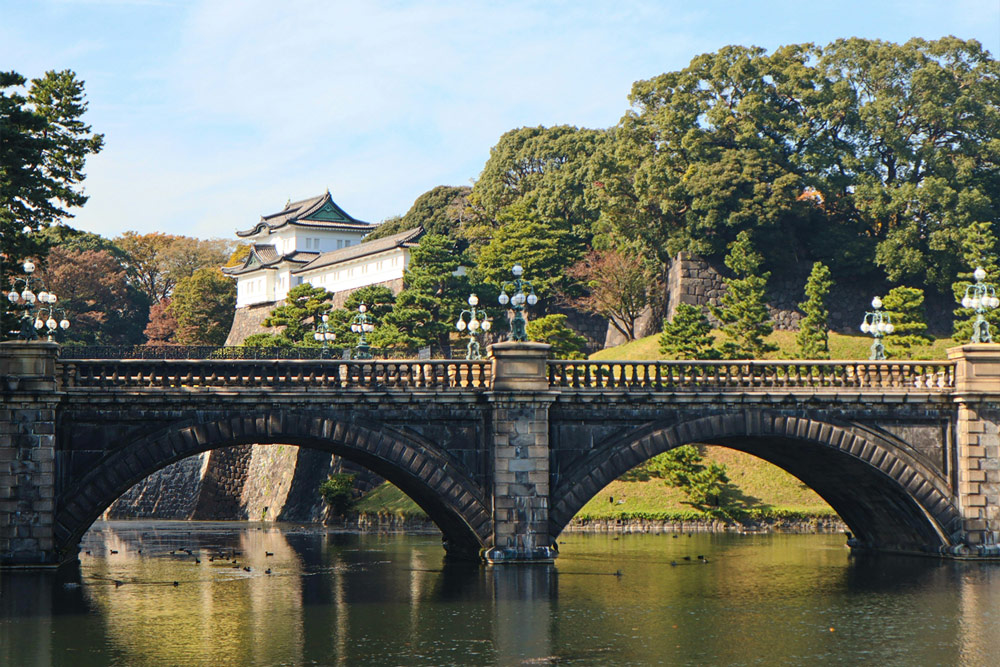
- Visit Tokyo Imperial Palace: Tokyo became Japan’s capital in 1868, when the Emperor moved to Tokyo. The current Imperial Palace is built on the grounds of Edo Castle. It’s a must-visit when in Tokyo. When visiting, a guided tour is recommended, as you can’t access some of the grounds without one.
- Explore the Zōjō-ji Temple grounds: While heading towards Tokyo Tower, the next stop on this itinerary, make a quick stop at Zōjō-ji Temple. It’s a beautiful temple with great views of Tokyo Tower.
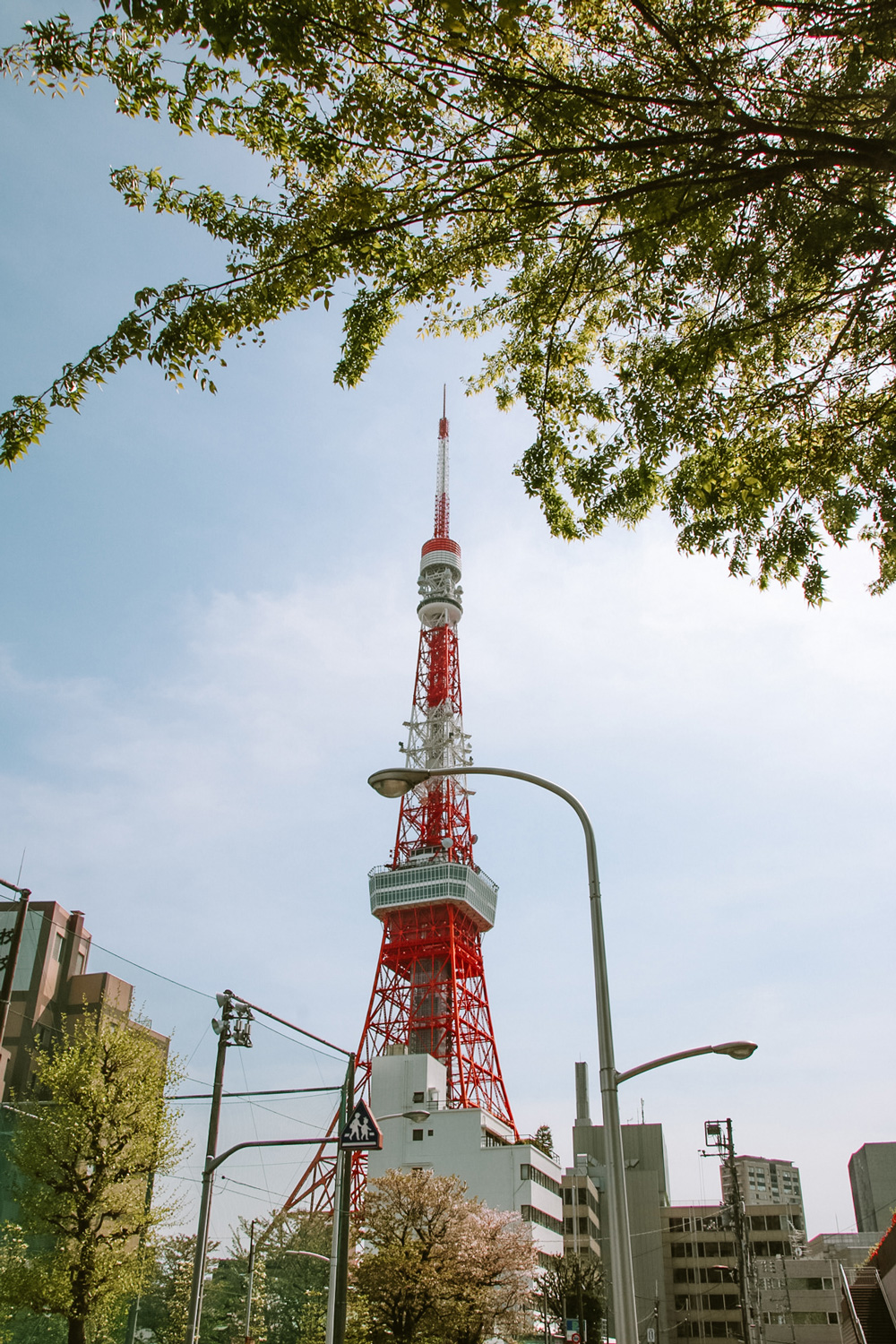
- Take a picture of Tokyo Tower: One of the most iconic landmarks in Tokyo has to be Tokyo Tower. While I don’t recommend paying to go all the way to the top (there are much better views in Roppongi, where you can actually see Tokyo Tower as part of the skyline!), there are some great photo spots nearby. The five Sailor Moon Manhole Covers can also be found nearby!
- Visit one of Roppongi’s museums/art galleries: Roppongi is home to many art galleries and museums. The famous Roppongi Art Triangle includes three of the best ones: Mori Art Museum, the National Art Gallery and the Suntory Museum of Art. If you only have time for one, I’d suggest checking out Mori Art Museum, as you’ll also be treated to one of the best views of Tokyo Tower here. 21 21 Design Sight is another museum to check out. This museum focuses on Japanese modern design.
- Try Karaoke: After dinner, you can check out one of the many karaoke parlours in this area of Tokyo. Karaoke in Japan is a bit different from what you’re probably used to, as you can rent an individual booth to sing songs, plus you can order drinks to your booth.
Mount Fuji (Day 4)
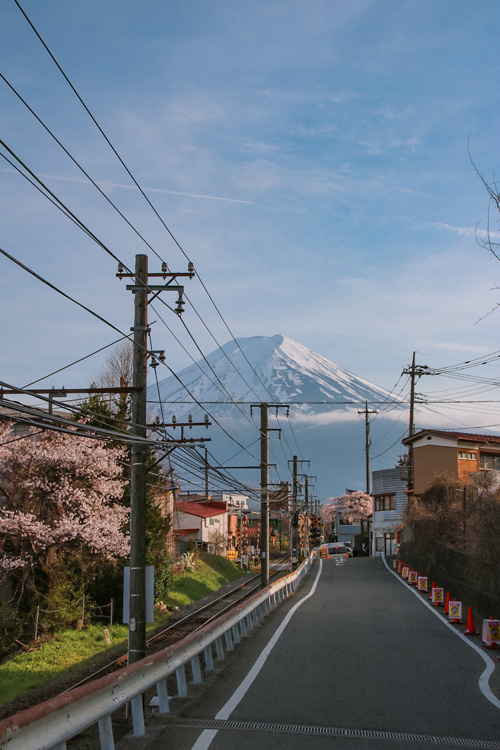
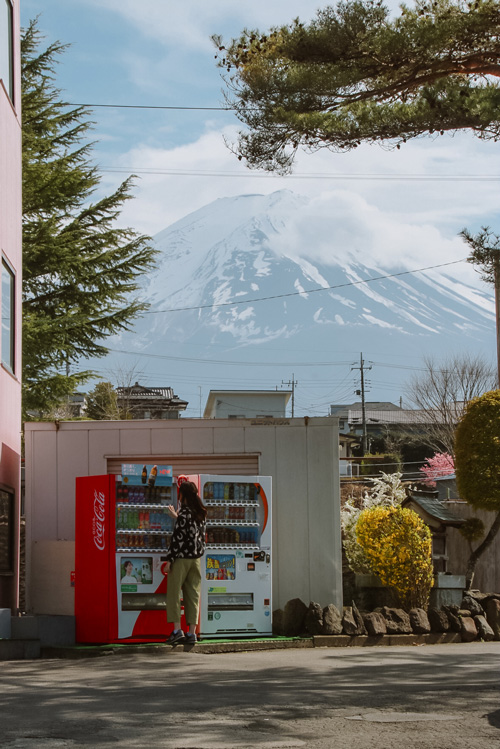
If there’s one thing Japan is famous for, it’s the majestic Mount Fuji. From Tokyo, it’s very easy to take a day trip (or overnight stay) to the Mount Fuji area.
It’s possible to climb Mount Fuji during hiking season (July to September), but beware that this can take up to 10 hours to complete. For a day trip to Mount Fuji from Tokyo, it’s much better to enjoy the surrounding areas of Mount Fuji instead. There is now also a mandatory hiking fee of ¥4,000 you have to pay to climb Mount Fuji in an attempt to combat overtourism.
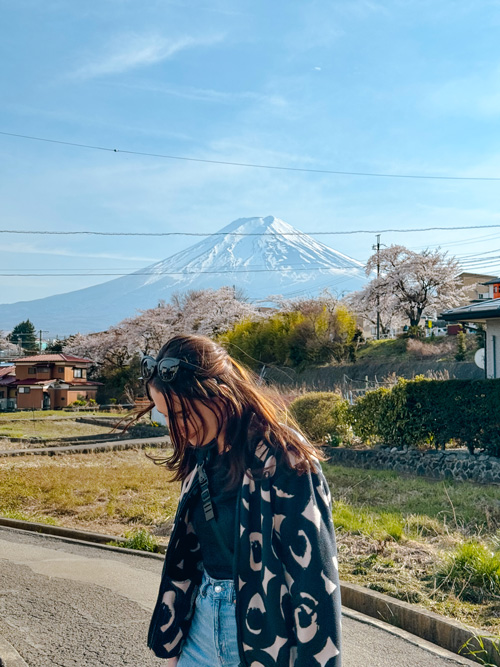
The best way to see Mount Fuji is to travel to the Lake Kawaguchiko and Fujiyoshida area. From there, you can explore the area further. A great way to explore the area is by renting a bike and cycling around the lake. You can also make your way to Chureito Pagoda for one of the most iconic views of Mount Fuji.
How to Get to Mount Fuji
From Tokyo, there are multiple ways to get to the Mount Fuji area. I’ve broken them down here:
- Highway Bus: From Shinjuku, the highway bus to Mount Fuji costs ¥2,200 per person one way (¥1,100 for children). It takes you to Kawaguchiko in around 1 hour and 45 minutes. You can book tickets here.
- Fuji Excursion Train: This express train takes you from Shinjuku directly to Kawaguchiko in just under two hours. However, tickets are quite expensive (¥4,130 per person one way, ¥2060 for children).
- Local Trains: You can also use the local train towards Ōtsuki. It’s much cheaper compared to the express train, but it’ll take 2–2.5 hours.
- Rental Car: Renting a car and driving to the Mount Fuji area is another great option if you’re comfortable driving in Japan. You’ll also have the freedom to visit areas that aren’t as accessible by public transport, making them a lot quieter.
- Private Driver: If you’re worried about navigating public transport to Mount Fuji on a day trip, hiring a private driver is your best bet. This way, you don’t have to worry about timings, and you have the freedom to see all the places that are harder to get to on public transit (making them less busy!). I would avoid any planned group tours as they very often focus on the same “Instagram” spots. Hiring a private driver gives you much more flexibility and value. You can book a private driver here.
What to Do Around Mount Fuji
When arriving in the Kawaguchiko area, you can go to a few viewing spots to really soak in the beauty of Mount Fuji. While a lot of itineraries online will highlight the “Instagram-famous” photo spots, like the famous Lawson or Honcho Street, I recommend avoiding them. These spots that go viral online are causing a lot of issues for the local community.
You can walk literally anywhere in Fujiyoshida and get beautiful, clear views of Mount Fuji. You do not have to go to these specific spots to get the best views (and without large lines). The only popular spot I recommend visiting is Arakurayama Sengen Park and the Chureito Pagoda. But when you’re there, also have a wander around and see more than just the viewing point.
Afterwards, head to Lake Kawaguchiko and rent a bike at one of the many bike rental places. There are some places to stop along the way and have a coffee or a snack. Oishi Park is one of the places I recommend stopping at. The full loop around the whole lake will take around 3–4 hours.
For some more detailed information, you can check out my full guide on doing a DIY trip to Mount Fuji. Alternatively, you can decide to stay overnight near Mount Fuji. I’ve listed my favourite accommodation with Mount Fuji views and onsen in a separate guide.
Travel Tip
Mount Fuji tends to hide in the clouds quite often! Since it’s tricky to plan a clear day ahead of schedule, you may want to keep an eye on the weather when you’re IN Japan and swap some of the days around when staying in Tokyo. This website has accurate predictions of how visible Mount Fuji will be.
Stay connected to the internet during your trip to Japan (essential for using apps like Google Maps & Translate!) with an eSIM. Journey Japan eSIM specialises in eSIMs in Japan, making them the best option for your next trip. (Read our full review here)
Hakone, Nikko or Kamakura (Day 5 – 6)
During the next two days in this Japan itinerary, you have some choices. There is a lot to explore near Tokyo, so I wanted to give you a choice between a few day trip destinations. Not everybody wants to see the same thing, so here you can start to personalise this two week Japan itinerary a bit better.
Some of the best day trips from Tokyo include Kamakura, Hakone and Nikko. Below, I’ve broken down the best things to do when taking a day trip to all three of them. Have a read-through and see which ones stick out to you best so you can add them to your own itinerary.
Hakone Day Trip
Hakone is a personal favourite of mine. Not only is it home to incredible views of Mount Fuji, some of the best onsens in Japan and beautiful shrines, but it’s also the place my husband proposed to me. It’ll forever have a special place in my heart, and it’s a spot I love to revisit.
From Tokyo, it takes around 1–1.5 hours to get to Hakone. This makes it a great day trip from the busy metropolitan city and a chance to see a different side of Japan.
When taking a day trip from Tokyo, you should look into getting the Hakone Free Pass. This discount pass includes a return journey from Shinjuku to Hakone, free public transport in the Hakone area (including the pirate ship and ropeway) and multiple discounts. It’s a money AND time saver, win-win!
When taking a day trip to Hakone, here are some of the best things to do:
- Soak in an onsen: Onsens are Japanese hot springs, and Hakone is one of the best hot spring towns in Japan. Do keep in mind that most onsens require you to bathe naked and separate men and women.
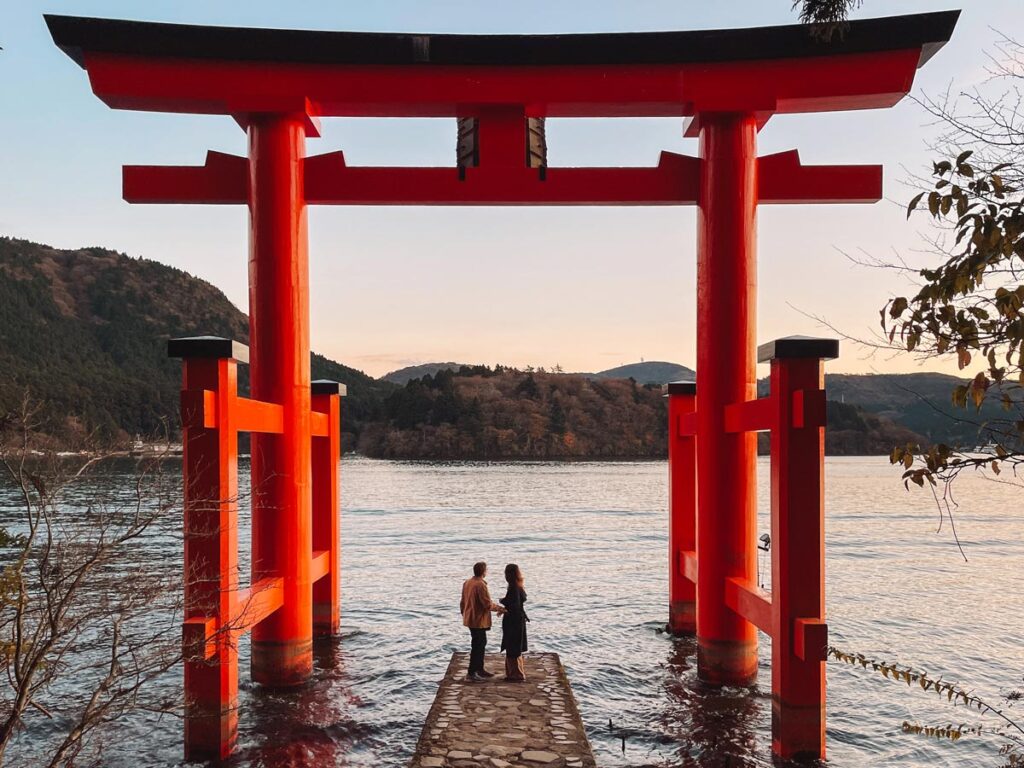
- Hakone Shrine: One of the must-visit places in Hakone is the shrine that shares the town’s name. This beautiful shrine has a huge torii gate looking out over Lake Ashi. There is usually a bit of a waiting time for taking photos. I waited around 30 minutes for mine.
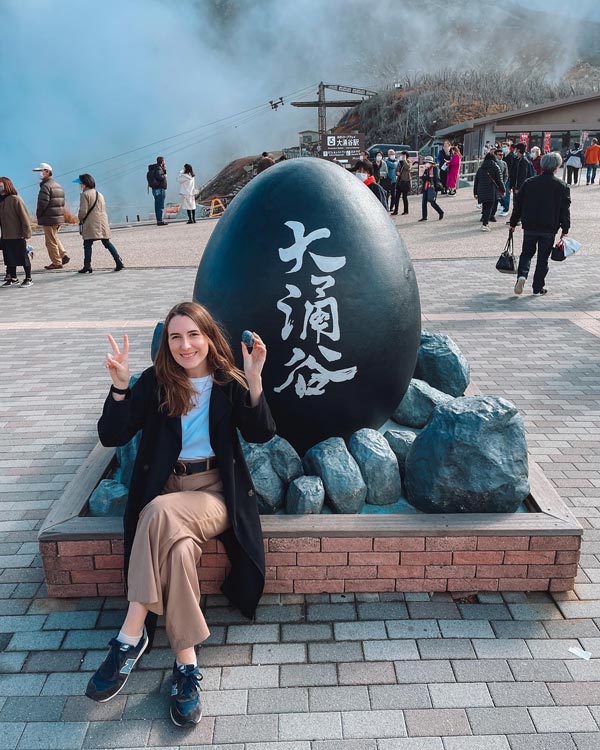
- Visit Owakudani (Boiling Valley): From Hakone, you can take a gondola up the mountain near the town. At the top, you can find Owakundani, also known as the Boiling Valley. The volcano erupted 3,000 years ago, but the impact is still very much noticeable.
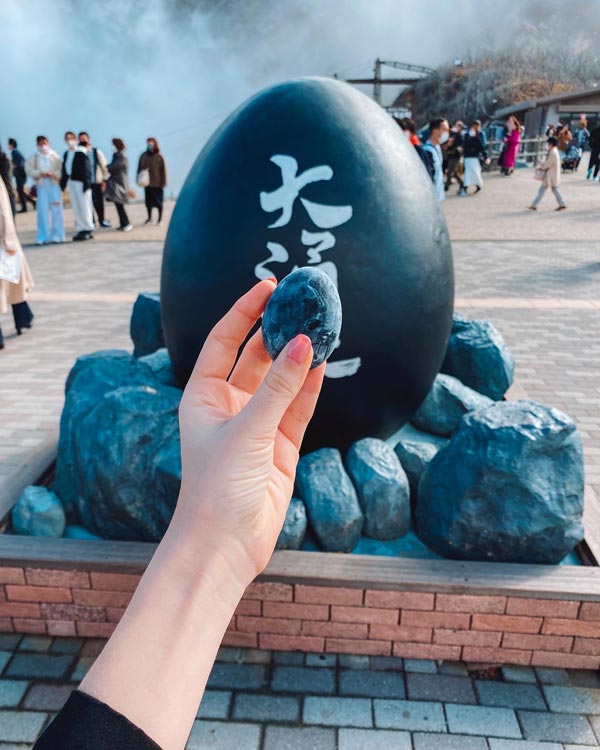
- Eat a black egg: When visiting Owakundani, make your way to the volcanic zone and eat a black egg. The eggs are boiled in the volcanic water, and the minerals inside give the egg its black colour. It’s totally safe to eat, and legend says eating one will prolong your life by seven years. Worth a shot!
For a more detailed breakdown and travel route, check my one day Hakone itinerary.
Travel Tip
Hakone is also a great place to stay overnight, as it’s home to many Japanese hot spring hotels. Our guide on where to stay in Hakone has some of the best ones (including hotels with Mount Fuji views and tattoo-friendly onsen!).
Nikko Day Trip
Nikko is a little bit further from Tokyo compared to Hakone (around 2–3 hours), but it’s still one of the best trips to take from the capital. This mountain town is filled with history and is surrounded by beautiful nature.
If you’re planning to visit Nikko for the day, it’s worth getting the Nikko World Heritage Area Pass. Similar to the Hakone Free Pass, this pass includes a return ticket from Tokyo to Nikko and free public transport inside the Nikko area. Since the pass itself is cheaper than a return train ticket, you’ll be saving money.
For your Nikko day trip, you want to check out the following sights:
- Shinkyo Bridge: From the train station, it takes about 5 minutes by bus to get to Shinkyo Bridge. This nearly 400-year-old bridge is the gateway to the majority of shrines and temples you can find in Nikko and is a perfect place to start your day.
- Rinnoji Temple: This temple was founded in the 8th century by a Buddhist monk who brought Buddhism to the city. Nowadays, Tendai monks train in this UNESCO World Heritage site.
- Tōshōgū Shrine: This is by far Nikko’s most notable temple. Tōshōgū Shrine is the last resting place of Tokugawa Ieyasu. The temple is beautifully decorated and is a real treat to visit.
- Kanmangafuchi Abyss: Many years ago, Mount Nantai erupted and created this valley. Here, you can find 74 statues wearing red crocheted hats and bibs. Legend says the number of statues changes every time you count them.
Check our one day Nikko itinerary for a more detailed breakdown of how to spend the day here.

Travel Tip
Since it does take a while to get to Nikko, you may want to spend two days here instead of going on another day trip from Tokyo. If you do, check out the best ryokans in Nikko for an unforgettable stay.
Kamakura & Enoshima Day Trip
Kamakura and Enoshima are two seaside towns near each other, around one hour from Tokyo. They make for a very popular day trip destination, including many temples, beaches and hydrangea flowers.
Like Hakone and Nikko, Kamakura and Enoshima have a Freepass that you can use to save money. The Enoshima-Kamakura Freepass includes a return ticket from Shinjuku, unlimited train rides in the area and discounts for participating facilities.
If you’re choosing Kamakura and Enoshima for your day trip, check out the following sights:
- Explore Enoshima: Enoshima is a small island near Kamakura. Give yourself 2–3 hours in the morning to explore it, including Enoshima-jinja, Samuel Cocking Garden and Nakamise Street.
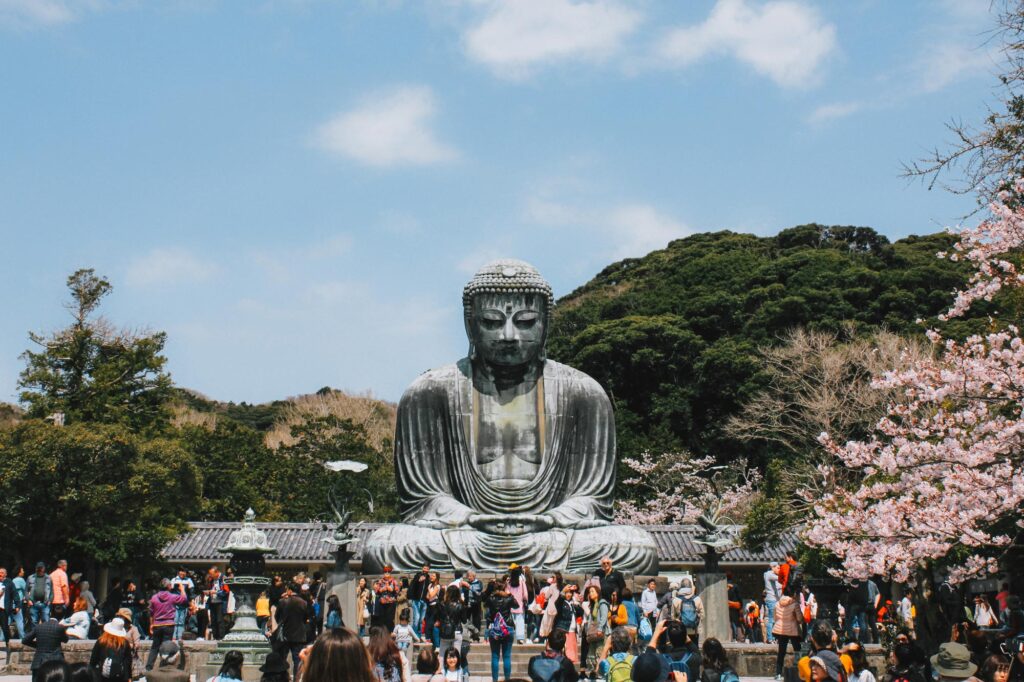
- Visit the Great Buddha of Kamakura: One of the most famous landmarks in Kamakura is the Kamakura Daibutsu. It was built in the 13th century and reaches over 13 meters in height.
- Stroll around Komachi Street: This area lies next to Kamakura Station and is filled with restaurants, cafes and shops. Perfect if you’re after any local specialities and souvenirs.
Our full Kamakura and Enoshima day trip itinerary includes even more information on what route we suggest you follow.
Kyoto (Day 7 – 9)
After spending six wonderful days in and around Tokyo, it’s time to head towards Kyoto. Kyoto is the cultural capital of Japan, filled with shrines, temples and old Geisha districts. The city has seen a lot of issues with overtourism in recent years, but I still believe you can visit Kyoto without adding to the problem.
I absolutely adore Kyoto, so much so that I even got married there. The city is popular for a reason, and after having spent quite a lot of time there myself, it’s impossible not to recommend visiting it on a first trip to Japan.
Where to Stay in Kyoto
For accommodation for the next few days, you have two options:
- You can either decide to stay in Kyoto for five nights
- Or stay in Kyoto for three nights and in Osaka for two.
The accommodation choices won’t impact the places you’ll visit when following this itinerary. However, staying in Osaka has a completely different atmosphere compared to Kyoto (and it’s often a bit cheaper too), so you may want the best of both worlds. I have a full Kyoto and Osaka comparison so you can decide what’s best for your trip.
Either way, you’ll have to stay in Kyoto for a few nights. I have a full guide on where to stay in Kyoto with my favourite areas and hotels in the city, but here are my recommendations for a first stay:
| Area | Best For | Hotel/Ryokan | Book Now |
| Downtown Kyoto | First-time visitors | Candeo Kyoto | Check availability |
| Higashiyama | Traditional atmosphere | Kyoto Granbell Hotel | Check availability |
| Kyoto Station Area | Travelling around | Hotel Granvia Kyoto | Check availability |
How to Get to Kyoto
The easiest and fastest way to get from Tokyo to Kyoto is by riding the Shinkansen, or bullet train. This takes about two hours and 15 minutes.
You can use the JR Pass on this ride. But since the price increase of the Japan Rail Pass in October 2023, it’s not the most cost-effective pass to buy if you’re following this two week Japan itinerary.
It’s cheaper to buy individual tickets for the Shinkansen. You can do so at the train station on the day of your trip. It’s also possible to buy them online in advance if you prefer to have all your tickets pre-booked.
Stay connected to the internet during your trip to Japan (essential for using apps like Google Maps & Translate!) with an eSIM. Journey Japan eSIM specialises in eSIMs in Japan, making them the best option for your next trip. (Read our full review here)
What to Do in Kyoto
On Day 7 of this itinerary, you can take the Shinkansen from Tokyo to Kyoto. This should take just over two hours, but since the first week of this trip has been pretty full, you may want to take it easy today.
Make sure you get to Kyoto safely and check into your hotel. You can then spend the rest of the day going for a little wander around. I’ve marked a few extra sights on the map that you can check out if you have spare time.
Doing this will still give you two full days to explore Kyoto, which is more than enough time to see some of the city’s best highlights. I have a more detailed 2-day Kyoto itinerary if you want a complete breakdown of the days (including a walking route through the geisha districts). Here is a quick overview of the best things to do in Kyoto:
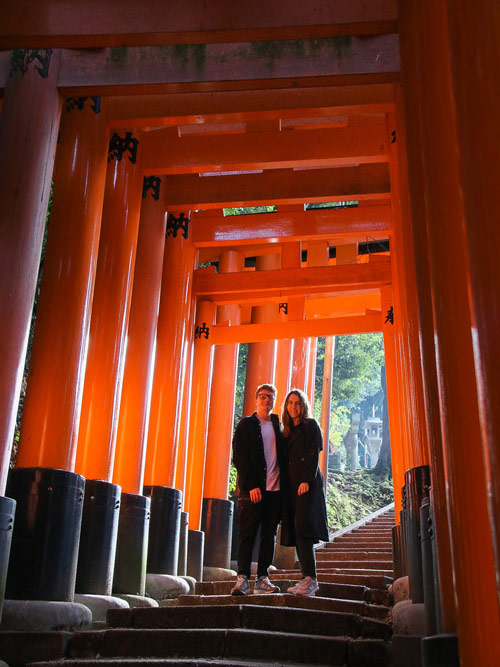
- Fushimi Inari Taisha: Fushimi Inari Taisha is a famous shrine with thousands of torii gates lined up towards the top of Mount Inari. This is my personal favourite spot in Kyoto. Even though it’s a busy touristy spot, I can’t get enough of it. The full hike up and down the mountain takes around 2–3 hours, and it’s best to visit as early as possible to avoid the crowds.
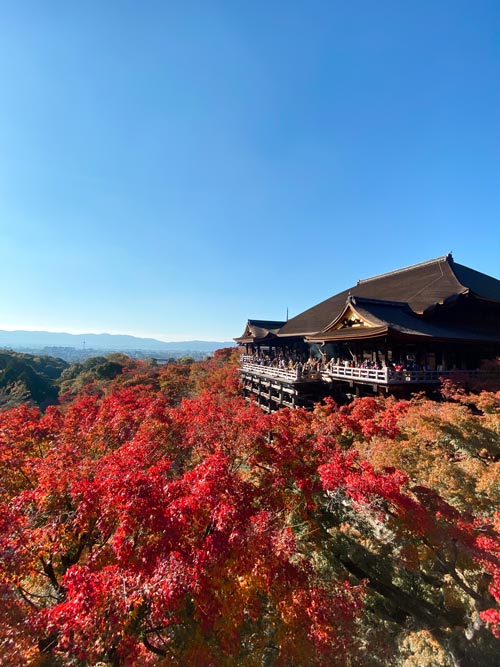
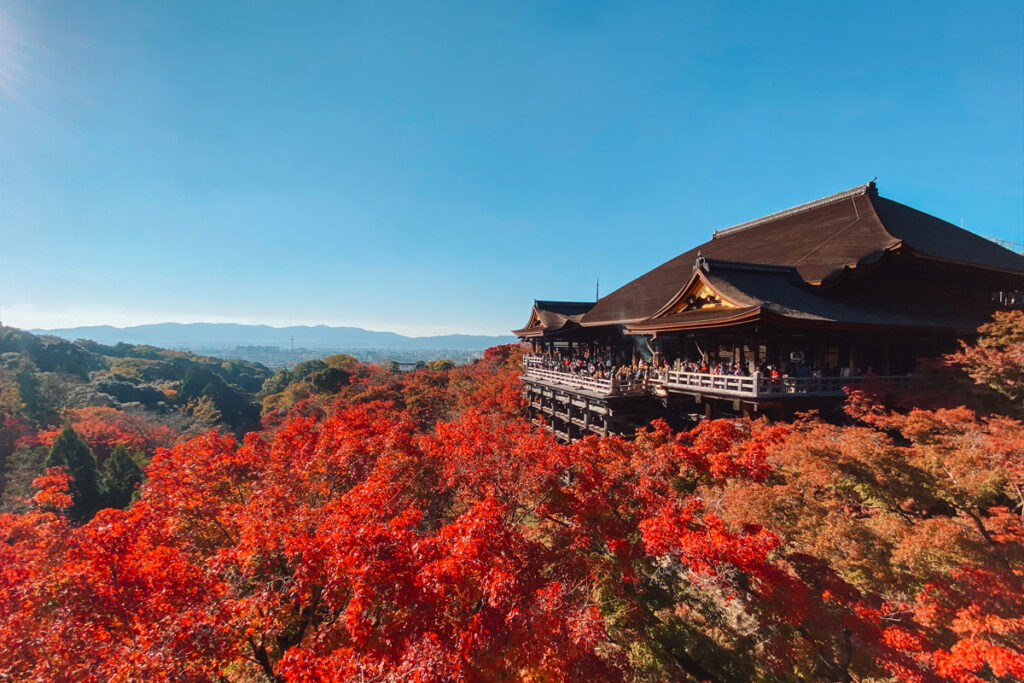
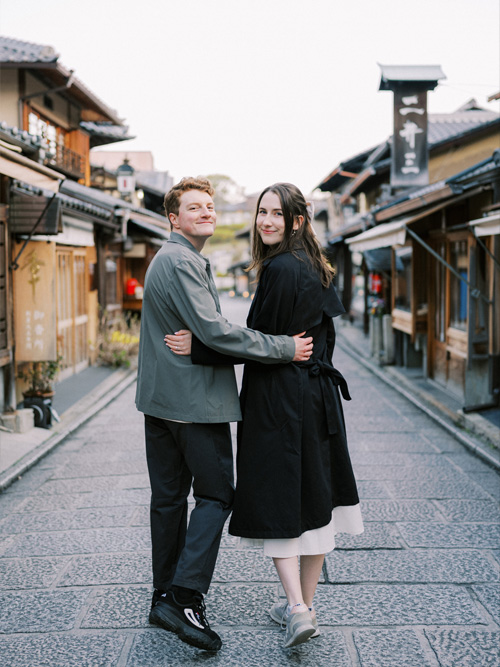
- Geisha District: Kyoto is famous for the old Geisha districts, Higashiyama and Gion. In these areas, you can find countless temples (including the stunning Kiyomizudera Temple), old tea shops and real Geishas. While it’s quite touristy, it’s still a must-visit when spending time in Kyoto.
- Kinkaku-ji Temple: Another famous site to visit is the Golden Pavilion in Kyoto. It’s a little out of the way, so you’ll have to set either a full morning or afternoon aside for it, but it’s a beautiful Zen temple in a lovely garden. It is one of Kyoto’s 17 UNESCO World Heritage Sites.
- Arashiyama Bamboo Grove: Arashiyama Bamboo Grove is located in West Kyoto and is probably one of the most photographed spots in the city. This beautiful bamboo grove is open 24/7 and it’s free to visit. It’s a good idea to block out a full morning or afternoon to visit this area of Kyoto.
- Wear a Kimono: While you can wear a kimono in most places in Japan, Kyoto is one of the best places for it, as it’s such a traditional city. You can hire a kimono for a few hours or a full day, and professional dressers will help you put it on. And don’t worry, wearing a kimono respectfully isn’t cultural appropriation!
- Dine on Pontocho: During one of your evenings in Kyoto (probably best after visiting the Geisha districts, as it’s nearby), head over to Pontocho. This atmospheric alleyway is a great place to get dinner. Even if you can’t find a seat, it’s still worth walking through it. It’s stunning.
Osaka (Day 10)
On Day 10, we take a day trip to Osaka. Osaka is known as the kitchen of the nation, with some of the best street food in the whole country. While some people choose to skip Osaka, it’s one of my favourite cities in Japan. The people are so friendly, and there are some fantastic sights to see.
From Kyoto, you can get to Osaka within 15 minutes by Shinkansen, or around 30–40 minutes by train. Once you get there, here are some must-see sights:
- Osaka Castle: Osaka Castle is one of the most famous highlights of the city. It played a huge role in unifying the country back in the 16th century, and you can learn all about its history in the museum inside. Seeing the castle and walking around the beautiful gardens is a must when in Osaka.
- Shinsekai: This district in Osaka was developed during the National Industrial Revolution. The iconic Tsutenkaku Tower in this part of Osaka is modelled after the Eiffel Tower in Paris. You can get some of the best food in the city here, so it’s a great place to stop for lunch or dinner.
- Namba Shrine: This shrine has a 12-meter-tall lion-head-shaped building. Legend says the lion’s head swallows the evil spirits that surround visitors. Plus, it’s completely free to visit.
- Nipponbashi Den-Den Town: If you’re after any retro video games while in Japan, Den-Den Town in Osaka is a good place to go hunting for them.
- Dotonbori: In the Minami District, you can find Dotonbori. This is the heart of Osaka’s nightlife. Neon signs, music and the smell of freshly cooked street food, Dotonbori is where it’s at. Near Dotonbori, you can also find the Glico Man sign.
I have a more detailed one day Osaka itinerary that includes a full breakdown and walking route.
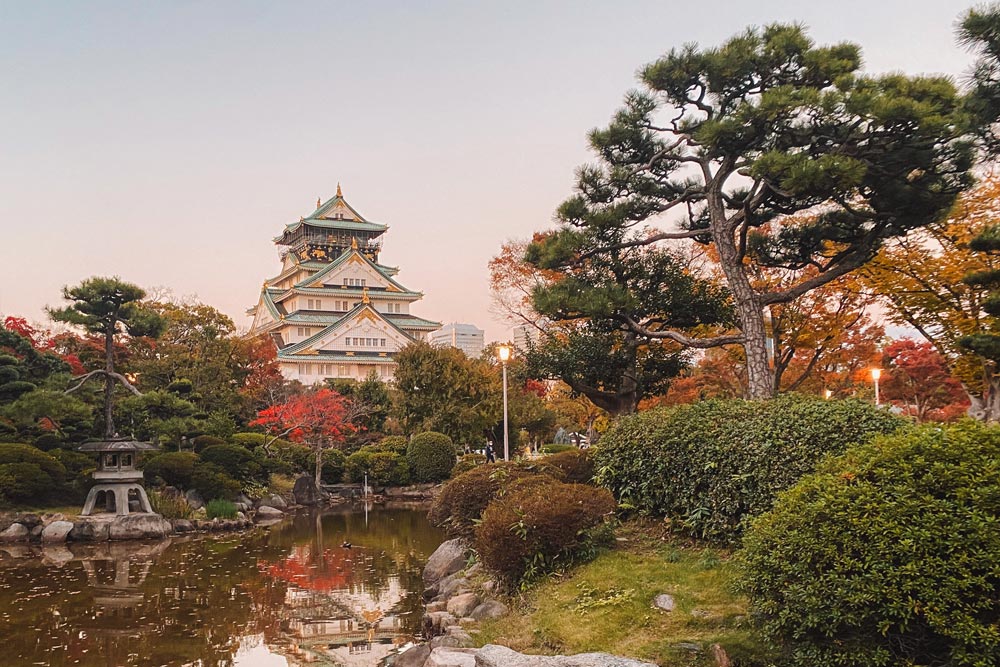

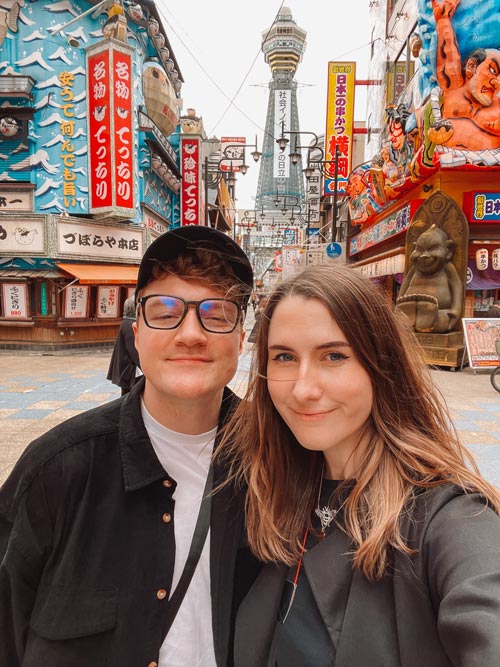
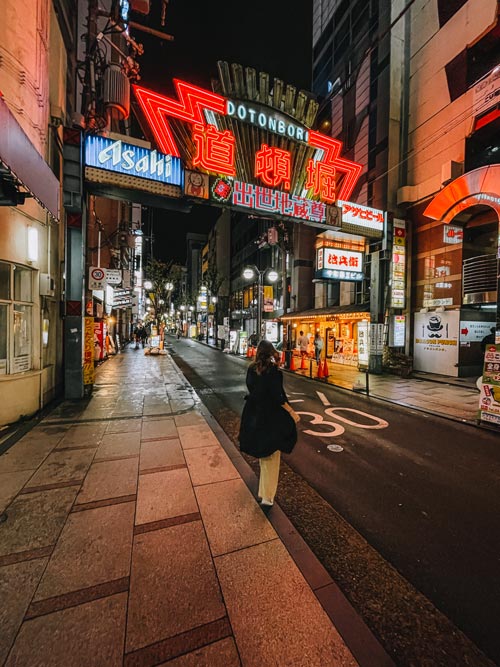
Osaka isn’t far from Kyoto, but because it has a completely different atmosphere, you may want to choose to stay here for a couple of nights, too. If you’re big on nightlife, for example, Osaka has way more to offer than Kyoto.
Where to stay in Osaka
My in-depth guide on where to stay in Osaka includes all my favourite areas and hotels in the city, but here’s a quick overview of our best picks:
| Best For | Hotel | Book Now |
|---|---|---|
| First-Time Visitors (Namba/Shinsaibashi) | The Bridge Hotel Shinsaibashi | Check Availability |
| Nightlife & Food Lovers (Namba) | Karaksa Hotel Osaka Namba | Check Availability |
| Comfort & Spa & Views (Umeda) | Candeo Hotels Osaka The Tower | Check Availability |
| Budget Travellers (Honmachi) | Super Hotel Premier Osaka Honmachi | Check Availability |
Travel Tip
If you’re planning on visiting Universal Studios Japan (which is located in Osaka), you can choose to replace one of the days in Kyoto, Osaka or Nara as they’re all near each other.
Nara (Day 11)
Day 11 is a day trip to Nara. Nara used to be the capital of Japan in the 8th century, and its history still shines through today. There are some beautiful shrines and temples.
How to Get to Nara
From Kyoto, you can get to Nara via the JR Nara Line or the Kintetsu Line. If you’re using the JR Nara Line, make sure to go with the Miyakoji Rapid. It’s the same price and only takes 45 minutes, compared to 70 minutes on the JR Nara Local Train. On the Kintetsu line, you can opt for the Express service (45 minutes) or the Limited Express service (35 minutes).
From Osaka, you can use the JR Yamatoji Line and the Kintetsu Nara Line to get to Nara. On the JR Line, you can get to Nara from Osaka Station in 45 minutes. It also stops at Osaka Tennoji Station, from which it takes about 30 minutes to get to Nara. The Kintetsu Nara Line has the Express option (35-40 minutes) or the Limited Express option (30 minutes).
What to Do in Nara
When spending a day in Nara, make sure to check out the following sights:
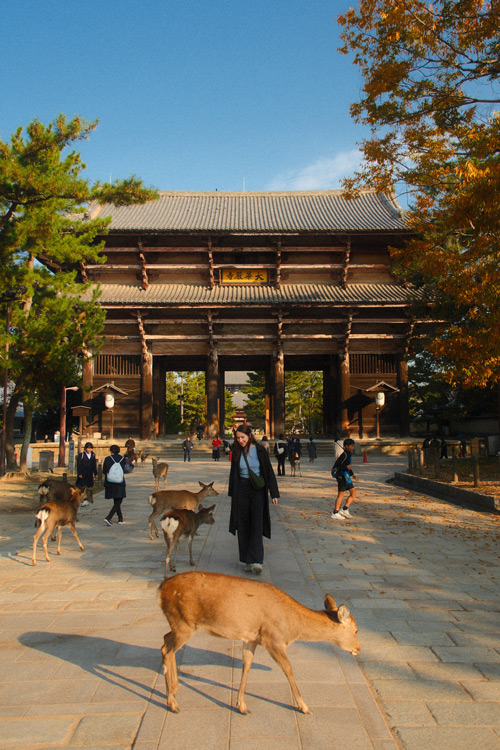
- Nara Deer Park: Nara is famous for its deer park, where more than 1,400 Sika deer roam around freely. They’ll even bow to visitors and beg for the special deer crackers that are sold around the park.
- Yoshikien & Isuien Garden: Apart from its beautiful park, Nara also has some stunning gardens. Isuien Garden is one of them. Located near Kofuku-ji temple, Isuien Garden is the perfect example of a Japanese Zen garden. There is an entrance fee, but it’s more than worth it. Yoshikien Garden is a bit smaller but free to visit for foreigners, plus it’s located next to Isuien Garden.
- Todai-ji Temple: Todai-ji Temple is the largest wooden structure in the world, dating back to 752. Inside, you can find the largest Daibutsu (bronze Buddha statue). The size of the building is mind-blowing!
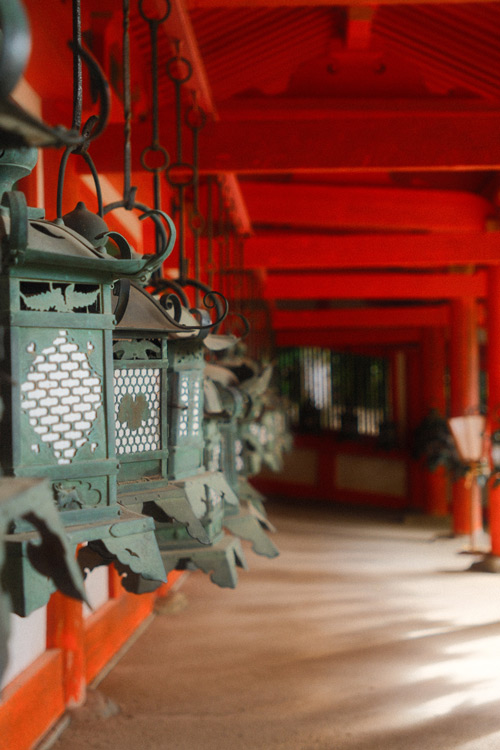
- Kasuga-Taisha: This temple is another UNESCO World Heritage Site. It’s known for its 2,000 stone lanterns and more than 1,000 hanging bronze lanterns. A large part of the shrine can be visited for free, but a small fee is charged for the inner shrine. It’s one of my favourite spots in Nara, so I definitely think it’s worth going inside. That way, you can see the lanterns up close!
My one day Nara itinerary includes a full walking route you can follow, along with some more information on how to get to Nara from both Osaka and Kyoto. It can also be a great idea to stay overnight in Nara and add a few extra stops in the middle and south of the prefecture (including Asuka).


Himeji (Day 12)
With the end of our two weeks in Japan coming closer, it’s time to pack up your suitcase again and move towards the last hotel. It’s best to book a hotel in Hiroshima for the remainder of your stay in Japan (or one last night in Osaka or Tokyo, depending on when and where your return flight departs from).
On the way towards Hiroshima, make a stop at Himeji. Known for its beautiful castle, Himeji is the perfect place to add to your two-week Japan itinerary as it’s conveniently located on the way to Hiroshima. You can store your luggage in one of the lockers at the station in Himeji. That way, you won’t have to carry them around all day.
What to Do in Himeji
For your day in Himeji, here are some sights to check out:
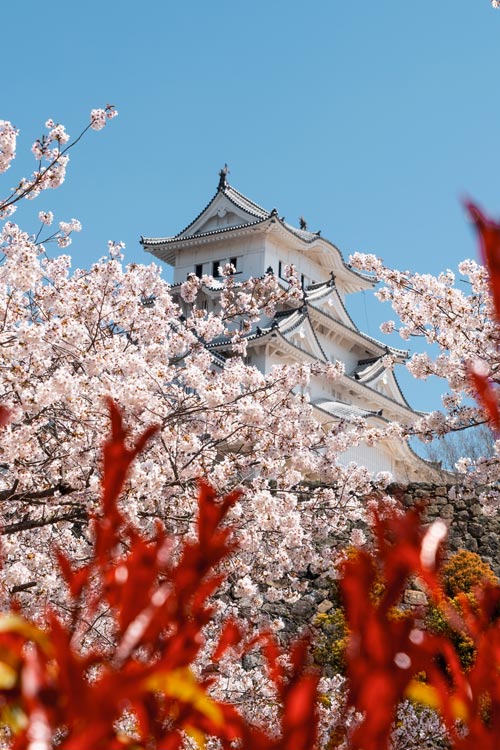
- Visit Himeji Castle: Himeji’s pride and joy, Himeji Castle, has to be on your list of places to visit here. Its history dates back to 1333. While it wasn’t completed until the early Edo Period, it’s one of the very few castles in Japan to never been burned down or destroyed during earthquakes.
- Explore Himeyama Park: Next to the castle, you can find a beautiful park filled with small shrines, a pond and a castle moat with koi carp.
- Stroll through Kōko-en Garden: Featuring nine different Japanese-style gardens, this place can’t be missed during a visit to Himeji. Inside the park, you can also find a tea house. You can buy a combined ticket for Himeji Castle and Kōko-en Garden to save some money.
Our guide on how to spend one day in Himeji has some more information on what to see, how to get there and what route to follow to make the most of your time here.
After some time in Himeji, pick up your suitcases and continue your train journey to Hiroshima. This is where you’ll stay for the next few nights. For hotel recommendations, you can check out our guide on where to stay in Hiroshima.

Hiroshima (Day 13)
As Hiroshima is your base for your last few days in Japan, today we’re taking some time to explore it. Hiroshima, of course, is mostly known by people through the atomic bombing on August 6, 1945. Luckily, it has rebuilt itself to be a bustling city, one that welcomes hundreds of thousands of tourists every year.
Where to Stay in Hiroshima
For your last few days, you’ll be staying in Hiroshima. We have a full guide on where to stay in Hiroshima, but here are our top picks:
| Best For… | Hotel | Book Now |
|---|---|---|
| Best Hotel | Rihga Royal Hotel Hiroshima | Check Availability |
| Best Ryokan | Hiroshima no Yado Aioi | Check Availability |
| Best Apartment Stay | Nekoyacho | Check Availability |
| Best Budget Stay | Hiroshima City Bunka Koryu Kaikan | Check Availability |
What to Do in Hiroshima
When spending the day here, this is what I recommend you check out:
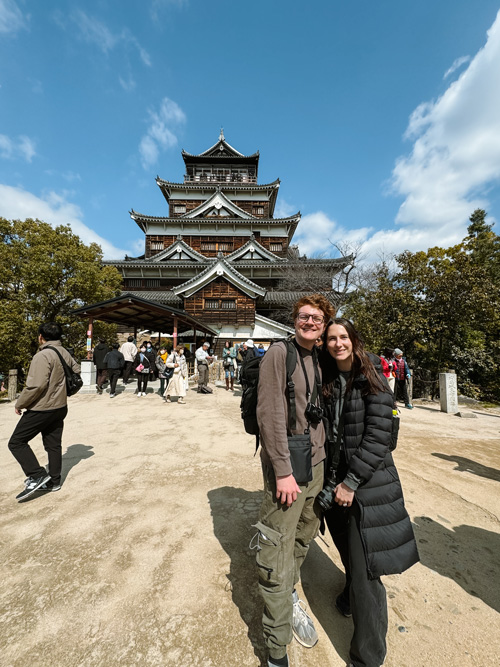
- Explore Hiroshima Castle: Also known as Carp Castle, Hiroshima Castle is a beautiful building to visit, as is the island it stands upon.
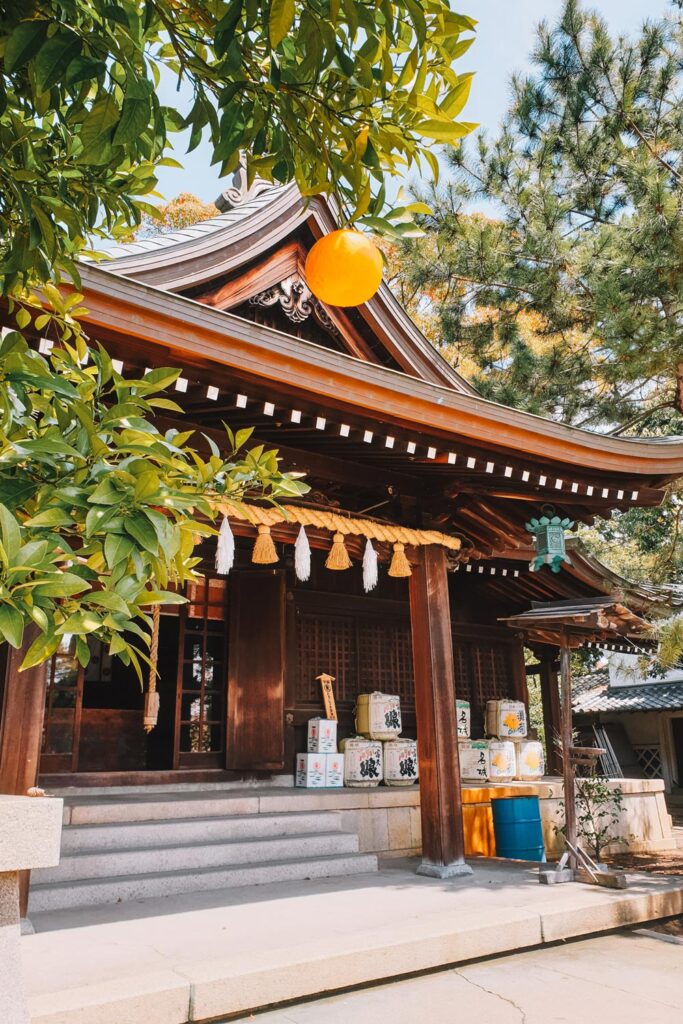
- Visit Hiroshima Gokoku Shrine: From Hiroshima Castle, Gokoku Shrine is only a 5-minute walk. The huge stone torii gate surely makes an impression.
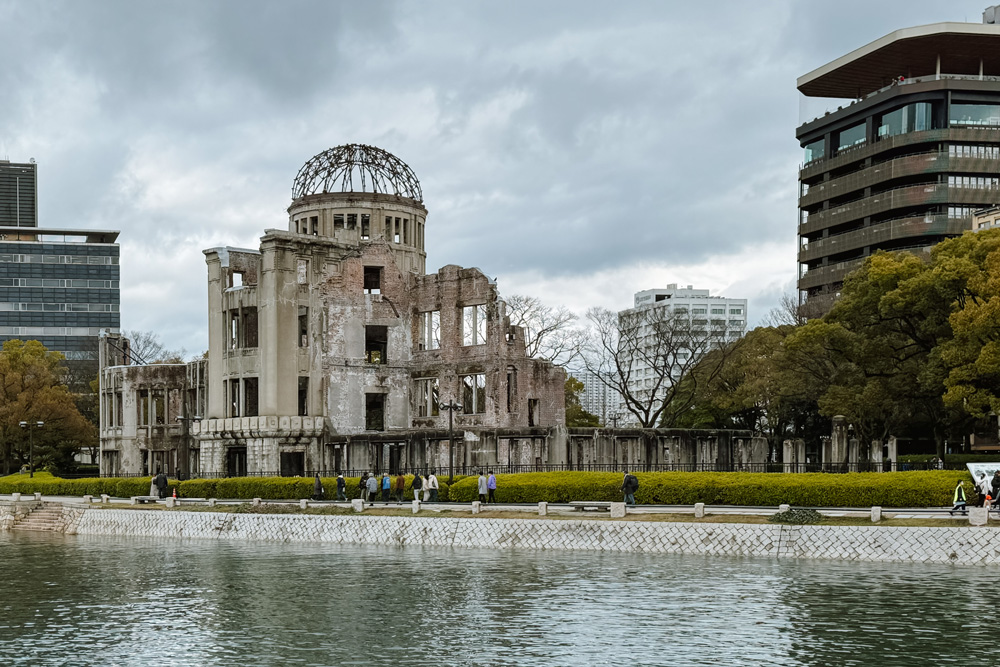
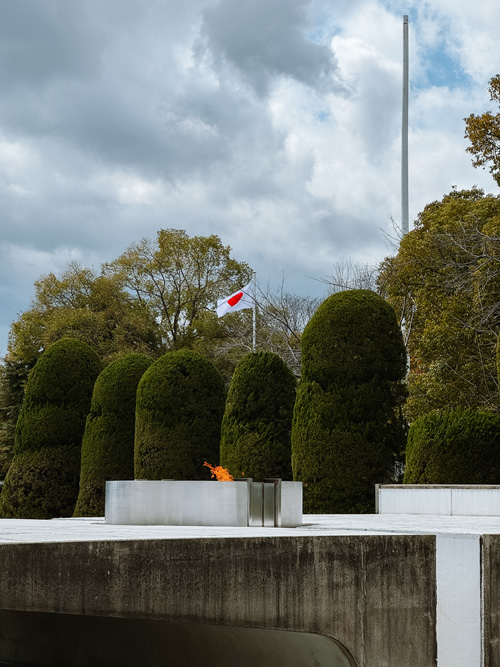
- See the Atomic Bomb Dome: This famous structure was one of the few buildings that miraculously survived the bombing. It has since become a symbol of hope.
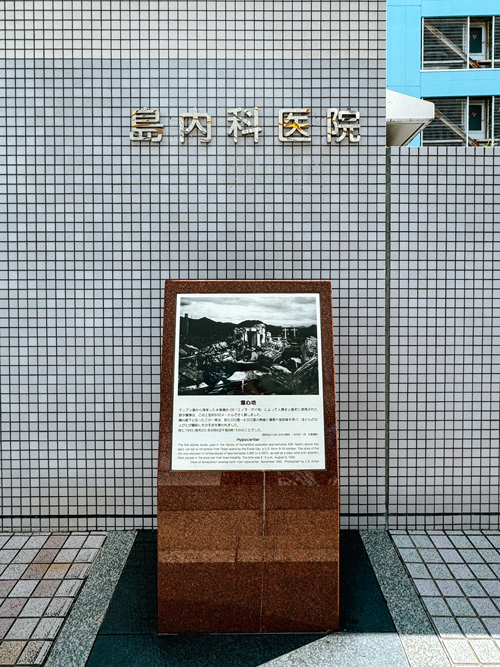
- Stop by the Hiroshima Atomic Bomb Hypocentre Monument: Around 600 meters above this exact spot is where the world’s first atomic bomb exploded and almost instantly destroyed the city. The monument is a bit tricky to find as it’s located between some high-rise buildings, but it’s very close to the Atomic Bomb Dome, so definitely worth stopping by while you’re there.
- Walk through Hiroshima Peace Memorial Park: This park was created to remember all the lives that were lost in the aftermath of the bombing. Inside the park, you can find countless monuments. One of the most famous ones is the Children’s Peace Monument. Near the park, you can also stop by the Rest House. An exhibition displaying the memoirs of the sole survivor who used to work in the building.
- Pay your respects at the Hiroshima Peace Memorial Museum: In the heart of the city, you can find the Hiroshima Peace Memorial Museum. It’s a place to remember the victims of the atomic bombing of 1945. While it’s an emotional experience, it’s one of the most important spots to visit in Hiroshima.
- Eat Hiroshima-Style Okonomiyaki: Don’t leave Hiroshima without trying the Prefecture’s most famous dish. Okonomiyaki is essentially a savoury pancake with cabbage, egg, flour and other ingredients of choice. You can find them all across the city, but my favourite spot to have them is at Hiroshima Okonomi Monogatari.
Our guide on how to spend a day in Hiroshima has more information to make the most of your time here.
Miyajima (Day 14)
On our last day in Japan, we’re taking a day trip to Miyajima from Hiroshima. From Hiroshima Station, it only takes about 30 minutes to get to Miyajimaguchi Station on the JR Sanyo Line.
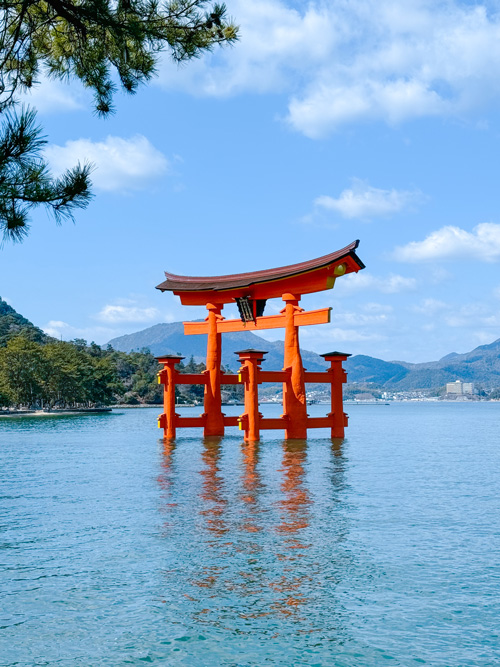
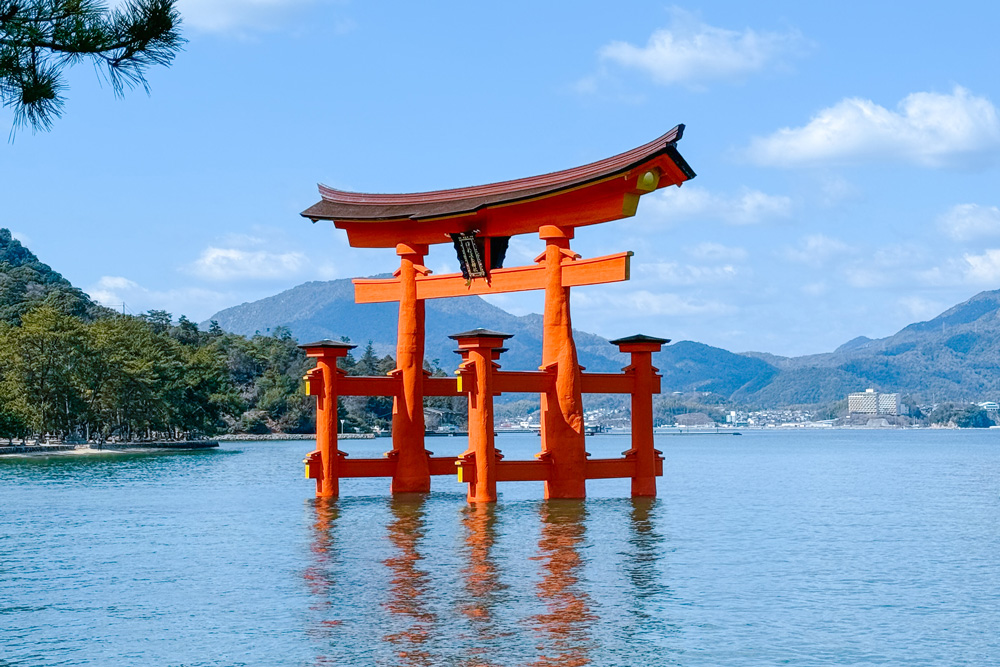
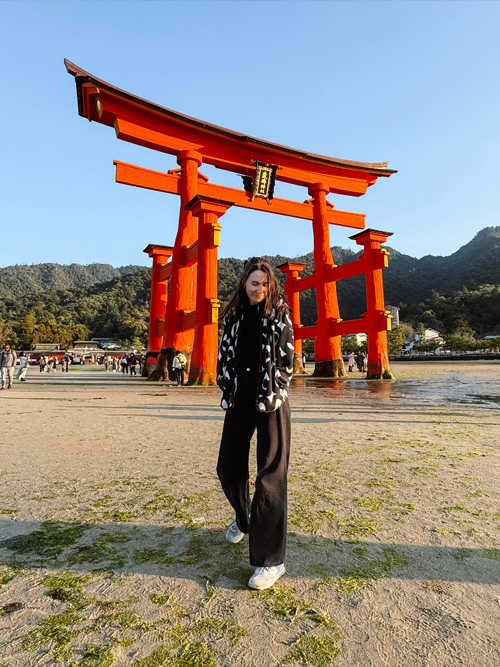
- Explore Itsukushima Shrine: Famous for the red floating torii gate, this shrine is one of the most famous landmarks in Japan. You can visit the Treasure Hall and admire the Grand Torii Gate from the main hall.
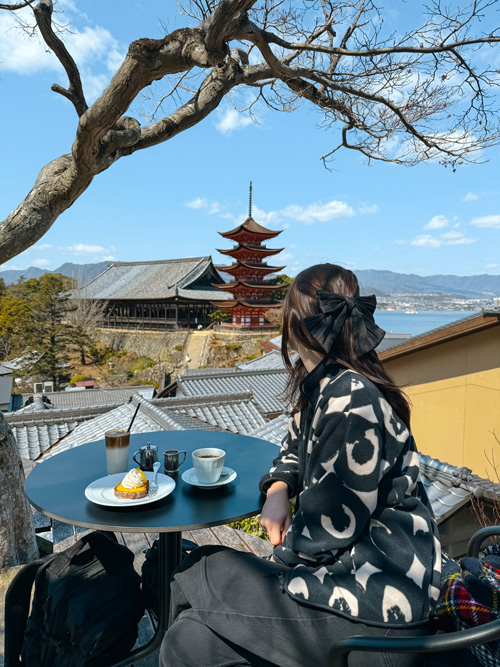
- Climb the staircase to Senjōkaku Pavilion: A short hike up this hill will reward you with a beautiful view over the Seto Inland Sea. You can also find the Five-Stories Pagoda of Miyajima here, along with the Senjōkaku Pavilion.
- Have coffee with a view: Tenshinkaku is a cafe in Miyajima that comes with a stunning view of the nearby pagoda. There is a small entrance fee, but the cakes and coffees are delicious. The view is worth it!
- Enjoy the view from Mt. Misen: Take the Miyajima Ropeway up to Shishiiwa Station and walk towards the Mt. Misen Observatory. While the trial is a little steep, the view is very rewarding.
- Try a Momiji Manjū: Miyajima’s speciality, Momiji Manjū, is a small pastry in the shape of a maple leaf. They’re usually filled with red bean paste, but there are a lot of different options available on the island too. I liked the ones with custard best. Delicious!
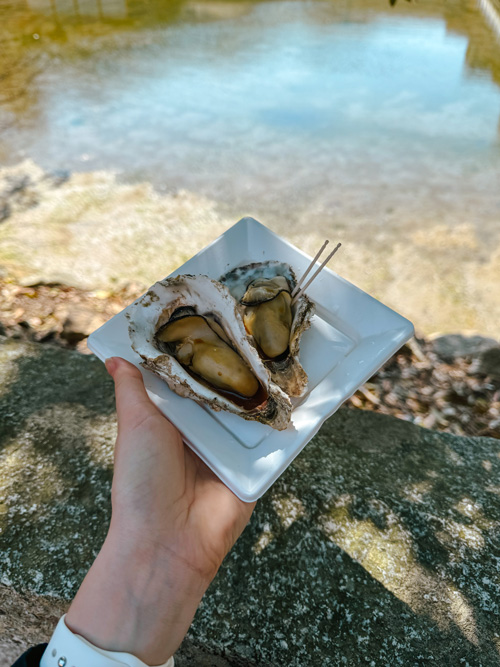
- Eat fresh oysters: As Miyajima is an island surrounded by the ocean, you can eat super fresh oysters here. Most of them are grilled and can be topped with soy sauce.
Check out our full guide on how to spend one day in Miyajima for more in-depth information. I’ve also created a YouTube video following this itinerary for a more visual guide:
As this is the last stop on our Japan itinerary, you can make your way back to the airport for your return flight.
If you have the option to fly back home from Osaka, that will save you a long journey back to Tokyo (and since the Shinkansen isn’t exactly cheap, you’ll probably save quite a bit of money too). From Hiroshima, it’s about 1.5 hours to Osaka on the Shinkansen, compared to nearly 5 hours to Tokyo.
2 Week Japan Itinerary FAQ
Is 2 Weeks Enough to See Japan?
Two weeks is enough time to see some of Japan’s main highlights. In this two-week Japan itinerary, you’ll visit Tokyo, Hakone, Kyoto, Osaka, Nara, Himeji, Hiroshima and Miyajima.
It’s the perfect amount of time when you’re visiting Japan for the first time.
If you’d like to spend more time in Japan, please check out my 3 week Japan itinerary. Or you can add an additional week in Kyushu, Shikoku or Hokkaido on top of this guide.
However, if you only have two weeks, it’s still more than enough to get a perfect first impression of Japan. Don’t be alarmed if you’ll be looking at flights back to Japan as soon as you return home!
Do You Need a JR Pass for 2 Weeks in Japan?
No, for this two-week Japan itinerary, you don’t need a JR Pass. It’s cheaper to buy individual tickets for the Shinkansen and use a Suica/Pasmo card for travel inside the cities.
Up until October 2023, the JR Pass was a great way to save money on a trip like the one in this guide. However, the prices of the passes have increased by nearly 70% in October 2023, making it hard to keep recommending them. In late 2026, it will again increase in price (when bought through a 3rd party supplier).
Since this itinerary is spread over two weeks, and you won’t be using the Shinkansen too often, buying individual tickets is a cheaper option.
You can buy tickets for the Shinkansen at the station on the day of your trip. Just use the ticket machine or head to the JR office to get help from a member of staff. If you’re travelling with suitcases, make sure to let someone know so they can seat you somewhere with storage. If you prefer pre-booking your tickets, you can do so on Klook.
How Much Money Do You Need for 2 Weeks in Japan?
You can make your trip to Japan as cheap or as expensive as you’d like. To give you a bit of guidance, we spent around £2,100 ($2,800) per person for this two-week trip. This includes flights, hotels, food, souvenirs, all activities and any extras. We have a full breakdown of the cost of going to Japan on our website.
However, since flights and the JR Pass have increased significantly in price, it’s better to budget around $3,000–$4,000 per person for a two week mid-range Japan trip.
Final Thoughts on Visiting Japan
And that concludes my recommended two-week Japan itinerary. While there is so much more to see and do in Japan, this itinerary gives you a great first impression of what Japan is all about. Don’t be surprised if you’re leaving after two weeks wanting more. That’s how I started my own Japan obsession, and I’ve been back nearly 10 times now.
If you have a little more time to visit Japan (or want some other ideas of what to include in your itinerary), my 3 week Japan itinerary includes some more places to explore. Alternatively, you can continue travelling to Fukuoka from Hiroshima and add a week in Kyushu to your Japan travel plans. Or add Shikoku to your itinerary after Hiroshima for a more off-the-beaten-path experience.







This is really helpful! Now I’m more than excited to go to Japan! 💕
Very enjoyable read and lovely photography for a fabulous itinerary. We’ve hit Japan a few times on flying visits (most recently Kagoshima and Okinawa a few months back) but have never hit any of the places you got to see; not even Tokyo yet. A longer stay with the sort of things you got up is certainly on our travel list, although it’s a very long list and keeps getting things added to it.
This is my dream trip! You’re so lucky and it looks absolutely incredible! I will get there one day ❤️
Now I want to go to Japan! This looks amazing. Pictures are perfect! Well done.
Girl. This post was such a DELIGHT! Wow!
Beautifully organised and put together and guess what – I bookmarked it immediately because Japan IS on my travel wish list and I know I will definitely find this blog post of yours super handy one day.
I really enjoyed it. I am lost for words when it comes to commenting on something particular – there’s just SO MUCH! 😀
Amazing travel diary blog post!
xox Nadia
What an incredible trip! Japan is at the top of my Travel bucket list, we are hoping to go for our honeymoon next year so this has given me so much inspiration. love you photos xx
Violethollow.com
This is such a great informative post! Your pictures are fabulous too, really bringing the place to life. I like how you gave a mix of shopping in the city and visiting the various temples. Japan is a place I would love to experience, and I feel like I have been there from reading your post!
What was your favourite part of the trip? You really packed a lot in! There is so much to comment on…the crepes look amazing, how cool that you are able to rent a kimono too!
Thanks for sharing this great post!
Aimsy xoxo
https://www.aimsysantics.co.uk
The layout of this post is EPIC. I’m in awe of your talent when it comes to content creation. The photos are beautiful too. Gosh I would love to go to Japan one day, I will be referring back to this post for sure 🙂
Rach | https://rachaelhope.co.uk/
Oh wow! What an epic post! Japan is definitely on my bucket list and it’s amazing how much you managed to fit in. Beautiful photos as well!
Francesca Andrews
I don’t even know where to start, this trip sounds like an absolute dream. All of the photos are incredible and can only imagine how much better it was in person. Such amazing experiences!! x
Sophie
I am so incredibly jealous. Japan is on my bucket list for years and reading through your post makes me wanna go even more. The Osaka castle is ao beautiful. And I am very impressed with the pocket wifi 😅
Woahhh! Lol just wow 😲 your trip was jam packed with fun! Like I’m trying to wrap my head around how you got to go so many places lol, talk about great planning. Omg I was reading completely spazzed when I realized you got to go to the Pokémon center and Disney Sea! 😱😱😱 Also Nara looks super beautiful…All your pics are stunning and look like they truly capture the beauty of Japan! Great post hun 💕💕✈️
xx Lena
I have always wanted to go to Japan and it’s firmly on my to-travel list! This post is fantastic and should I book a trip to Japan any time soon, I will be bearing it in mind!
Melanie || melaniewithanie
Wow!! So dope!! Seems like an elaborate and fun and organized trip! I cannot wait to explore japan in the guture❤️❤️😍😍
Yessss all these spots you went to are great! I hope to one day get the kimono experience as well, it’s ridiculous I’ve been to Kyoto twice now and never had the time for it despite of it.
When I was younger Japan wasn’t really on my bucket list but after a mixture of reading your post, being wow’d by the imagery and following a old school friends journey back-packing Japan.. I really am being to get the tingles to want to go! This post was honestly amazing and the images you’ve captured are fantastic!
Omg this is an amazing post!! This sounds like my perfect holiday, it has made me extra excited to go to Japan and I will come back and check this post when planning my itinerary.
Thank you so much for this Nele! I was anxious about planning our own itinerary to Japan next year but this seems totally doable. I’m going to use this as a template!
One question, I was nervous that you can’t book train travel in advance – did you have any issues at all?
So glad you like the post! We booked the JR passes in advance, but there’s no need to book any of the trains in advance 🙂 You can reserve a seat at the train station before getting on the next train, which is super super easy! Transport in Japan is top notch, we had no problems with it whatsoever and we don’t speak much Japanese 🙂
Hi! Did you get the 7 day pass and just use for the week you were away from Tokyo or did you get the full 14 day pass for the JR?
I am debating which to get for this same type of itinerary 🙂
Thank you!! Love the post!
Hi Kim! So glad you enjoyed the post 🙂 We got it for only 7 days, so it fitted perfectly for the days we travelled to Kyoto, Osaka and Nara – and we just paid for little trips in Tokyo and it saved us so much money! Would 100% recommend doing that if you’re looking on saving some money 🙂
This is such a great itinirary! I only got to spend 10 days in Japan but to be honest it was more than enough. Honestly Japan is one of the best countries I’ve visited! I definitely want to go back haha xx
10 days in Japan sound amazing – what cities did you visit? I totally agree, Japan is so far my favourite country – really hope to go back soon!
I felt like I was on the trip with you! Thank you for the info and awesome pictures!
So glad you liked it! Thanks for the comment ^_^
I absolutely LOVE this list. It’s a mega list of things everyone should do their first time in Japan on a two-week stay. Simply amazing with beautiful photos to boot!
In Asian Spaces | https://inasianspaces.com/
Gundam looks cool!
Japan always looks amazing! I would really really love to visit some day x
This is such an amazing and in-depth post! it sounds like you managed to fit in a lot of amazing things during your time there. Absolutely love the photos! x
https://www.femaleoriginal.com
Japan is so high on my list! Such a fantastic and detailed itinerary. The crepe looks super yummy! And what an amazing view of Mt. Fuji! I will definitely use this itinerary when I plan the Japan trip. 🙂
Japan is on my bucket list, one day, one day i will go there, the photos are stunning
Argh I’m dying to visit Japan, and have done for years! It’s such an amazing country and I can’t wait to explore all the quirky spots one day 😀
Shannon x
http://www.shanylou.co.uk
uk based travel + lifestyle blogger
Me and my husband are going to Japan in June! And I’m using this blog as my guide as I make plans for our trip, and I actually copied the exact itinerary since it has everything we wanna see in Japan. Such a life saver, and also we will be using all the links in this blog to get what we need. Thank you so much Nele!
Hey Alexis! It makes me so happy to hear that the itinerary is helpful ^_^ I hope you and your husband have the most amazing time in Japan next June – if you need any more help planning or if you have any questions, please feel free to send me a message! <3 And thank you so much for using the links in this post, that helps me massively! Much love, Nele
Japan is on my to visit list and honestly this is so gorgeous! It looks like you have had the best time!
Love, Amie ❤
The Curvaceous Vegan
This is really helpful! This is pretty much the exact itinerary we’ve got planned, except we are planning a day to Hiroshima too. How long did you spend in Nara?
If we visit Hakone and see mt Fuji from there, does another day trip to mt Fuji is worth it ?
I think so! Hakone is pretty good for seeing Mount Fuji, but the best views can be found around the Five Lakes for sure!
Amazing guide thank you for that, question for you for 15 days, and bear in mind we want to visit tokyo kyoto osaka (nara possible) (hakone or Kawaguchi day trip for mt fuji depending weather), does it make sense to sleep over both in kyoto and osaka? or just say in kyoto , explore and then do daily trips to osaka 2 days for example?
Thanks Johnathan! Since Osaka and Kyoto are pretty close, it can definitely make sense to stay in one of them and take day trips. This will save you from having to move your luggage across. Both cities have such a different atmosphere though, so which one you want to stay in is a very personal choice. I broke the differences down here: https://thenavigatio.com/kyoto-or-osaka/
Great article – thank you so much! What time of year would you recommend this itinerary for?
Thanks Lauren! It would work any time of year, but the best time to go would be in spring or autumn 🙂
Thank you so much for this detailed itinerary! Your blog has been such a help to me for planning my first trip to Japan. My husband and I are going in late May/early June and I can’t wait!
Thank you so much, that’s so great to hear 🙂 Hope you have an amazing timee!
Thank you so much for a detailed trip plan. Love it.
A HUGE THANK YOU!
We have just come back from our two week trip to Japan. We used your itineraries to plan everyday out. We had the most amazing time. Thank you once again for all your advice to make our trip memorable. Japan 2025
Thank you so much! I’m so glad the guides have been helpful <3
Just got back from Japan and used this guide to plan most of my trip. It was soooo HELPFUL. Thanks so much for putting this together
So glad to hear it’s been useful, thank you!
You have explained everything so well! It is perfectly structured. I will not need to refer any other blog post for planning!