If you’re dreaming of wide open landscapes, fresh mountain air, and a respite from the hustle and bustle of big-city Japan, Hokkaido is the perfect place to explore. Sam Singleton, Hokkaido expert, has put this 7-day Hokkaido winter itinerary together for people who want to visit the island for the first time.
I’ve lived in and travelled around Hokkaido for nearly a decade, and I still can’t get enough of the island’s snow festivals, frozen lakes and idyllic open-air hot springs.
A week-long Hokkaido trip offers the chance to try some of Japan’s great outdoor experiences. You can visit snow-dusted towns that look like something out of a postcard, check out the famous Sapporo Snow Festival, try snowshoeing in a national park, soak in a snowbound onsen, and warm up with endless bowls of buttery miso ramen and fresh seafood.
Even though Hokkaido is a popular destination for winter sports, what continues to surprise me is how peaceful it always feels. Outside of the main ski resorts, you’ll often have entire streets, trails, and hot springs almost to yourself.
So if you’re planning a winter trip to Japan and want something a little different, this 7-day Hokkaido winter itinerary is a great place to start. It’ll take you through some of the best spots in Hokkaido, a winter wonderland that is guaranteed to have something special waiting for you.

Hokkaido Itinerary Overview & Map
Hokkaido is Japan’s northernmost island and the largest of all its prefectures. All that space means that there is a lot of exploring to do, from the big city lights of Sapporo in the west to the wilds of the eastern Shiretoko Peninsula.
This 7-day Hokkaido winter itinerary focuses on Hokkaido’s most famous and well-travelled sights, which are helpfully clustered in the south-western peninsula that stretches down towards the island of Honshu. It’s what I personally recommend to anyone who is visiting this beautiful island for the first time.
Follow the route map below for snow-covered landscapes, steaming outdoor onsen, and some of the best cold-season experiences Japan has to offer.

7-day Hokkaido Itinerary for Winter
Here is my 7-day Hokkaido itinerary, crafted for first-time visitors coming in winter. You can copy this plan exactly, or make changes to match your travel style.
Sapporo (Day 1-2)
We start our Hokkaido journey in the north island’s largest city, Sapporo. Most travellers arrive at New Chitose Airport just outside of the city. Sapporo has by far the largest train station in Hokkaido and plenty of rental car options available, making it a great place to start your Hokkaido trip.
From New Chitose Airport, you can rent a car directly or buy bus and train tickets to take you to Sapporo. Taxis are also an option, but be aware that the drive takes about an hour and will be quite expensive.
I personally recommend the train, as it’s simple to find the platform and buy tickets. Trains to Sapporo run multiple times per hour, so once you get a ticket, just hop on the next available train heading in that direction.
Once in Sapporo, you’ll want to pick up either a local Sapica card or another IC card, such as Suica or Pasmo, as soon as possible. These prepaid e-money cards make it more convenient to use most public transport in the city, and can also be used at vending machines and certain shops.
Alternatively, you can download a digital version of these cards on your phone and tap it at the ticket barrier, just like you would a card.
The first three days of this trip are based in Sapporo with day trips outside of the city, so it’s a good idea to book one hotel in Sapporo for all three days and use it as your home base. You can then leave your heavy luggage in the hotel and bring a day bag with you while exploring.
I always recommend staying as close to the centre of downtown Sapporo as possible. Ideal locations are near Sapporo Station, Odori Park, or Susukino.
Sapporo Station makes for easy access to every major transit line in the city, while Odori Park is a great area within walking distance of most shops and close to many of the city’s famous landmarks. Susukino is packed with restaurants and bars, but it’s also the nightlife district so it can be noisy and crowded at night.

Day 1 – Sapporo
Sapporo is a snow lover’s paradise with heavy snowfall throughout the winter. Rather than hide from it, the locals have embraced the snow and filled the city’s calendar with a variety of events that celebrate all things wintertime.
Sapporo is a pretty big city and you could spend all seven days exploring it if you wanted. But if you’re excited to explore the rest of Hokkaido, two days will give you a great overall impression of Sapporo and allow you to see many of the highlights of this wintry metropolis.
Here is what I recommend doing on your first day in Sapporo:
- Take photos at the Clock Tower: Built in 1878, Sapporo’s Clock Tower is a beloved local landmark. Make a brief stop during your trip to learn a little about Sapporo’s history and snap a photo with this symbol of the city.
- Visit the Sapporo Snow Festival: If you’re lucky enough to visit in early February, you’ll be able to catch the Sapporo Snow Festival, one of Japan’s most popular winter events. Spread over multiple sites, the festival features huge snow sculptures and concerts at Odori Park, as well as smaller, intricate ice sculptures displayed in Susukino. Visit in the daytime to see all of the details or at night for spectacular light shows. Just remember to wrap up warm!
- View the Christmas decorations at Sapporo Factory: The Sapporo Factory entertainment complex is great for shopping, but many people don’t know that it also hosts some of the best Christmas decorations in the city. Look out for the huge tree in the atrium and the giant Santa sliding down the old smokestack outside.
- Take a tour of the Sapporo Beer Museum: Hokkaido is the birthplace of beer in Japan, and Sapporo beer is one of the oldest and most popular Japanese brands. You can learn more about where Japan’s love affair with beer started at the Sapporo Beer Museum, located next to Sapporo Factory. The museum offers daily tours with a beer tasting session at the end.
- Enjoy Odori Park from above at Sapporo TV Tower: Whether you visit during the Snow Festival or not, the Odori Park is a great place to explore in the center of Sapporo. Buy tickets for the TV Tower on the east end for unrivalled views of the park and surrounding downtown area.
- Warm up with some soup curry: After all of that exploring outside in the cold, it’s time to warm yourself up with a bowl of delicious soup curry. My personal favourites are Suage Soup Curry and Rojiura Curry SAMURAI, but you really can’t go wrong anywhere. Make sure to adjust the spiciness to your own tolerance while ordering.

Day 2 – Sapporo
Your second day in Sapporo is a great opportunity to dive into the city’s culinary and shopping scenes, while catching some more great views of the snow-covered city. Here is what I recommend doing on your second day in Sapporo:
- Take breakfast at Nijo Seafood Market: This public market offers super-fresh seafood from 7:00 am every day of the week, making it perfect to grab an early morning kaisendon, or seafood bowl. Make sure to try the local specialties: crab and sea urchin.
- Shop at Sapporo Station: Sapporo Station isn’t just the city’s train hub; it’s also one of the largest shopping centers in Hokkaido. This sprawling complex is filled with unique select shops and brand names selling everything you could imagine. It’s a great place to pick up souvenirs or find stylish Japanese products.
- Ride the Mount Moiwa Ropeway: Head to the summit of Mount Moiwa for some of the city’s most impressive panoramic views. Take the local Shiden tram to the Ropeway Iriguchi stop and then catch the Moiwayama Ropeway gondola up to the summit. If you’re willing to brave the cold, the view is even better at night!
- Eat, drink and be merry in Susukino: After a long day of exploring, it’s time to summon that last bit of energy and head to Susukino. With hundreds of bars, izakaya and restaurants coupled with an electric atmosphere, Susukino is the place to be once the sun goes down.
- Try a bowl of Sapporo’s specialty miso ramen: While butter corn ramen gets a lot of attention from Japanese gourmets, Sapporo’s true signature ramen flavour is miso. Head to Ramen Alley (Ganso Sapporo Ramen Yokocho) near Susukino and choose any shop that piques your interest; they’re all excellent!
- Sit down for a jingisukan BBQ: If you want to be a bit more adventurous, you can also try another Hokkaido local specialty called jingisukan, a grilled mutton BBQ named after the Mongol warlord Genghis Khan. It’s a favourite among locals and you can find jingisukan restaurants all over the city.
Alternatively, Sapporo has a few excellent ski resorts very close to the city if you’d prefer to hit the slopes for the day. You can skip the shopping and head straight by bus to either of the two closest resorts to Sapporo: Teine or Kokusai. Teine is a bit more accessible and beginner-friendly, but I personally think that Kokusai has better ski runs overall.

Otaru Day Trip (Day 3)
After exploring Sapporo, it’s time to visit the neighbouring town of Otaru. This charming port town is nestled between the ocean and mountains with a picturesque canal running right through the middle. It’s famous for its speciality glass-blown items and music boxes, as well as super fresh seafood.
While you can get accommodation in Otaru, it’s so close to Sapporo that I recommend most people stay overnight in Sapporo and make this a day trip instead.
Otaru is easily accessible via bus or train from downtown Sapporo. If you choose to take the bus, you’ll want to use the Hokkaido Chuo Bus line. The journey will take about one hour and a one-way fare costs ¥730.
Alternatively, there are trains departing from Sapporo Station multiple times per hour along the JR Hakodate Main Line that’ll take you to Otaru as well. Rapid trains will take about 30 minutes while local trains will take around 50 minutes. A one-way train ticket will cost ¥800 per person.

Here are some of the best things to see and do on a day trip to Otaru:
- Take a walk along Otaru Canal: Strolling along the canal offers a great little walk through town, past a variety of local shops that you can pop into on the way. In February, Otaru holds the Snow Light Path Festival, where nearly the entire city becomes decorated with lanterns and snow statues. The best views during the festival are right along the canal.
- Visit a Kitaichi Glass shop: Kitaichi Glass is a storied glass maker that originates in Otaru. There are 18 stores located throughout the city and picking up some of their famous glassware makes for an excellent, if fragile, souvenir.
- Explore Otaru Music Box Museum: Otaru is also famous for its music boxes and the Otaru Music Box Museum, right off the main Sakaimachi shopping street, is the best place to learn about the craft. While you’re there, pick up one of the countless varieties of intricately handcrafted music boxes they have for sale.
- Try a bowl of fresh kaisendon: Much of Sapporo’s fresh seafood is brought to shore in Otaru. While here, you can grab a bowl of kaisendon from any of the numerous little restaurants downtown. Each bowl includes the local catch of the day, and changes with the seasons. During wintertime look out for the fresh yellowtail, jumbo botan shrimp and even some local oysters.
- Tour Nikka Whiskey Distillery: It’s worth taking a short trip out of Otaru to the Nikka Whiskey Distillery, located in nearby Yoichi. Admission is free and you can do a self-guided tour with English informational displays at each stop. There is also a tasting room at the end of the tour where you can sample various Nikka whiskies for a fee. If you want to experience the distillery in full and enjoy a free tasting, consider reserving a spot on a guided tour – just be aware that all tours are conducted in Japanese. From Otaru, it’s best to take a 30-minute local train from Otaru Station to Yoichi Station and then walk right down the street to the distillery.

Niseko (Day 4)
Hokkaido is famous for some of the best powder in the world and Niseko is one of the best places to find it on the island. Whether you’re an experienced skier or just starting out, you’ll want to make time to hit the slopes at this internationally acclaimed ski resort.
You can make a day trip from Sapporo to Niseko and back, but you’ll likely feel rushed and have a limited amount of time on the mountain. It’s much better to stay one night in Niseko to spend as much time as possible on the slopes.


From Sapporo there are a few options to get to Niseko without a car. During the winter months, Hokkaido Chuo Bus, Niseko Direct Shuttle and Hokkaido Resort Liner, all run directly from Sapporo city centre or New Chitose Airport to Niseko. One-way fares typically range from ¥2,500-6,600 per person and the trip takes about three hours.
Another option is to take the JR Train from Sapporo Station to Kutchan Station and then a bus or taxi to Niseko Village. The train portion is fully covered by the JR Pass and Hokkaido Rail Pass, or one-way tickets will set you back about ¥2,500.
If you take the train, you’ll need to transfer at Otaru Station to the JR Hakodate Line towards Kutchan. Once you arrive at Kutchan Station, you’ll still need to take a bus, taxi or prearranged hotel shuttle into Niseko village near the ski resort.
I recommend making a one-way trip to Niseko and booking a hotel in the area. That way, you can hit the slopes as early as you want the next morning without dealing with the long trek into Niseko.

Noboribetsu & Lake Toya (Day 5-6)
For the fifth and sixth days of our itinerary, it’s time to rest those sore legs and relax in a world-famous onsen in the mountains of Hokkaido.
Noboribetsu Onsen is Hokkaido’s most famous onsen hot spring resort. It offers some of the best natural hot springs in Japan and spectacular natural parks such as the Jigokudani “Hell Valley”.
Lake Toya is a picturesque lake originally created from the caldera of a huge volcanic eruption over 100,000 years ago. Now, it’s a popular resort town with enchanting views of the lake and access to tons of outdoor activities. The lake is a personal favorite of mine and I always find time to visit or camp there every year.
From Niseko, you can head to either Noboribetsu Onsen or Lake Toya. Staying for two nights at either place will give you the time you need to relax and explore the beautiful surroundings. You could also stay in each place for a single night and get the best of both worlds.
There’s plenty to see and do while you’re in the area:
- Hike through Jigokudani “Hell Valley”: Located just fifteen minutes on foot from the Noboribetsu Onsen bus terminal, Jigokudani is a crater valley filled with bubbling sulphuric hot springs and volcanic steam plumes. There are plenty of well maintained hiking paths through the valley and surrounding woodlands. I also highly recommend stopping to soak your tired feet in the River Oyunuma Natural Footbath.
- Soak in Noboribetsu Onsen: Noboribetsu is packed with onsen for you to enjoy. I recommend either the Daiichi Takimotokan or Noboribetsu Grand Hotel. The Daiichi Takimotokan is a particularly good choice, as it offers a selection of pools fed from different sources, each with varied mineral contents and reported health benefits. Remember that most onsen require you to bathe naked and you’ll need to cover up any tattoos before entering.
- Visit Upopoy National Ainu Museum and Park: The Ainu people were the original inhabitants of what is now Hokkaido and the Upopoy National Ainu Museum and Park is the best place to learn about their rich history. While you’re there, check out the traditional village area to get some hands-on experience of Ainu culture. The museum is a 10-15 minute walk from Shiraoi Station which can be reached by local train from Noboribetsu.
- Explore Lake Toya: This beautiful little town sits on the edge of Lake Toya, a donut-shaped lake formed from an ancient volcanic eruption. You can take a stroll along a portion of the lake, take a ferry to Nakanoshima in the centre of the lake, or rent some snow shoes and explore the surrounding mountain trails.

Hakodate (Day 7)
We’re nearing the end of our week in Hokkaido, so we’ll finish the trip in one of the island’s most famous cities. Hakodate is the northernmost endpoint for the Hokkaido Shinkansen line, but this historic port city has a unique character all its own.
To get to Hakodate from Noboribetsu Onsen, it’s easiest to take a bus into town and take the Hokuto Limited Express from Noboribetsu Station. The journey takes roughly 3-3.5 hours and costs ¥8,240 one-way.
You can also catch the Hokuto Limited Express from Toya Station near Lake Toya. From here, the train costs ¥6,250 and takes around two hours. All JR Limited Express trains between Sapporo and Hakodate stop at both Toya Station and Noboribetsu Station and are covered by the Japan Rail Pass.
Here’s how you should spend your day in Hakodate:
- Catch the Mount Hakodate night view: A renowned panorama of the city can be seen from the summit of Mount Hakodate at night. You can reach the Mount Hakodate Observatory by ropeway or car.
- Visit Fort Goryōkaku: This star-shaped fort was built at the end of the Edo period (1603–1868) and was the site of the final battle of the Boshin War, which ended the rule of the Tokugawa shogunate and ushered in Japan’s modern era. Nowadays, it’s a wonderful public park with thousands of cherry trees lining the intricate moats. Springtime provides the best viewing, but even in winter the fort is very scenic.
- Grab a burger at Lucky Pierrot: This hamburger and fast food chain is exclusive to Hakodate and each store in the city has a different theme. It makes for a great lunch spot where you’ll find locals and travellers alike lining up for the famous Chinese Chicken Burger.
- Enjoy a bowl of shio ramen: Hokkaido is famous for three types of ramen: miso, soy sauce, and salt, or shio in Japanese. Hakodate is the home of shio ramen and I highly recommend trying it while you’re there.

How to Get Around Hokkaido
Renting a car is the easiest way to get around Hokkaido. The island is deceptively big and getting between locations can take time, especially if you’re travelling to places like Shiretoko National Park or Wakkanai. The best places to rent a car are either Sapporo or at New Chitose Airport.
While public transit between all of these places is possible, it usually requires multiple connections and won’t be nearly as convenient as having your own vehicle. If you’re nervous about driving in Japan, take heart in the fact that Hokkaido has some of the least crowded roads in all of Japan.
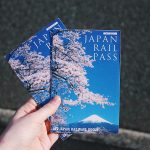
If you do decide to forego the rental car, then I highly recommend opting for a rail pass during your stay. The Japan Rail Pass will cover you for all trains between locations in this itinerary. For more information about whether the pass is right for you, check out our JR Rail Pass guide.
If you’re only visiting Hokkaido or just want to get a rail pass for these seven days, you can opt for a Hokkaido Rail Pass instead. Offered in five, seven, or ten-day periods, this pass covers all JR train rides in Hokkaido. You’ll want the full Hokkaido Rail Pass to follow this itinerary, but you could also try the Sapporo-Noboribetsu Area Pass and Sapporo-Furano Area Pass if you’re looking for a shorter, cheaper and more focused pass.
How Many Days is Enough for Hokkaido?
One week is enough to see some of the major highlights of Hokkaido. This will give you enough time to thoroughly explore the south of the island from Sapporo to Hakodate, while experiencing the best of the rich culture, food and outdoor activities the island has to offer.
Hokkaido is a big island, and you could easily spend a lot more time exploring. Outdoor lovers in particular may enjoy bear spotting in Shiretoko National Park or viewing sea ice on a cruise in the Okhotsk Sea near Abashiri. However, these places require a day or more of driving to access.
If you only have one week, you can still enjoy a taste of what Hokkaido has to offer. But don’t be surprised if you leave dreaming of your next trip to the north of Japan.
Conclusion – Is Hokkaido Worth Visiting?
While most people think of Tokyo, Osaka, and Kyoto when they plan their trip to Japan, Hokkaido is well worth a dedicated trip in its own right. It offers a different view of Japan, a natural respite away from all of the hustle and bustle of the big cities.
Having lived here for just shy of a decade, I wholeheartedly recommend exploring Hokkaido to experience another side of Japan. Every season has something special: cherry blossoms in the springtime, vast lavender fields and hiking galore in the summer, unrivalled fall foliage in autumn, world-class skiing in the wintertime, and some of Japan’s best seafood year-round.
Hokkaido is a great choice if you’re keen to get off the beaten path and explore some of Japan’s other islands. But this northern wonderland is not the only alternative adventure Japan has to offer. Check out our Kyushu and Shikoku itineraries to discover more of Japan’s islands and experience a different side to this unique country.