When planning your dream trip to Japan, there are some things you will want to book in advance to make sure you don’t miss out. Luckily for you, I am obsessed with planning trips to Japan, spend a lot of time in Japan, and I monitor a Japan travel Facebook group with nearly 1 million members daily.
Going to Japan does require a bit of preparation, especially if you want to visit some of the more popular attractions. But even if you’re planning on visiting places further away from the main tourist routes, there may be less availability for the things you want to do, so doing your research and making reservations is still very important.
Below, I’ve listed the things you should consider pre-booking and when to book them. I will update this guide whenever I find new information on important things to book before your trip.
Attractions & Activities
2 weeks to 3 months in advance
Attractions and activities will make up the majority of things you may want to pre-book. It’s very hard to list EVERY single thing you should be pre-booking, as a lot of it will depend on your itinerary. There are tens of thousands of workshops, tours, classes and tourist sights across Japan that could benefit from booking early, so I won’t be able to list everything. I’ll list as much as possible, and will keep this updated to the best of my abilities.
It is very important that you do proper research on the places you want to visit to make sure you don’t miss out on any activity or unique experience you need to pre-book. For example, booking the knife-making workshop in the mountains of Kochi during my time in Shikoku was absolutely essential, and we had to change our itinerary around what dates were available because we booked too late.
Whenever I write my itineraries for The Navigatio, I always highlight whenever an activity needs to be prebooked, so you can always use my itineraries for specific areas or cities for more information on these.
Here is an extensive list of other activities and attractions you may want to pre-book (and how far in advance):
- Universal Studios Japan entrance tickets (60 days in advance): Tickets for USJ are released 60 days in advance. It’s best to pre-book them in advance, especially if you’re planning to visit during a busy period like cherry blossom season, Golden Week or Halloween.
- Any Universal Studios Japan Express Passes (60 days in advance): Express Passes for USJ are a great way to avoid all the massive queues, and it also gives you guaranteed access to certain parts of the park (depending on the Express Pass). For example, Super Nintendo World and The Wizarding World of Harry Potter can require you to have a timed entry slot on very busy days. These are included in some of the Express Passes. Without it, you won’t be able to enter, so it’s best to book these in advance if you really want to visit these parts of the park.
- Tokyo Disneyland or Tokyo DisneySea (60 days in advance): As you cannot buy tickets at the park entrance, you have to book tickets in advance for both Tokyo Disneyland and Tokyo DisneySea. Tickets are released 60 days in advance. While it’s not always necessary to book them right away, if you’re planning to visit during a busy period like a weekend or holiday (Golden Week, Halloween, Christmas, etc.), it’s best to book ASAP.

- Ghibli Park (2 months in advance): Tickets for the Ghibli Park are released on the 10th of the month at 2 pm JST, two months in advance. For example, tickets for June are released on the 10th of April. These tickets go FAST, so you want to make sure you’re ready to book them if you really want to go to the Ghibli Park. If you missed out on the tickets through the official website, you could still try getting them through Klook or a full-day tour on Klook.
- Nintendo Museum (3 months in advance): The first round of tickets for the Nintendo Museum in Uji is a lottery system. You can sign up for a chance to buy them three months in advance. On the 1st of the month after signing up, the lucky winners get an email and a chance to buy the tickets. If there are any tickets left, or the lottery winners didn’t actually buy them, they are released to the public, so you can still buy them. There’s no set schedule for this, so it’s best to keep an eye on the website! Note: Reservations for the craft workshops at the Nintendo Museum can only be made on the day you visit and are on a first-come, first-served basis, so it’s best to make them as soon as you get to the museum.
- PokéPark Kanto (2 months in advance for foreign residents, 3 months for Japanese residents): As this park is new, tickets sell out extremely fast! Tickets are released two months in advance at 6 pm JST on the official website. Note: The PokéPark is located inside another theme park called Yomiuriland, and admission to the park is included with the PokéPark ticket. Just note that the rides inside Yomiuriland require a separate ticket.
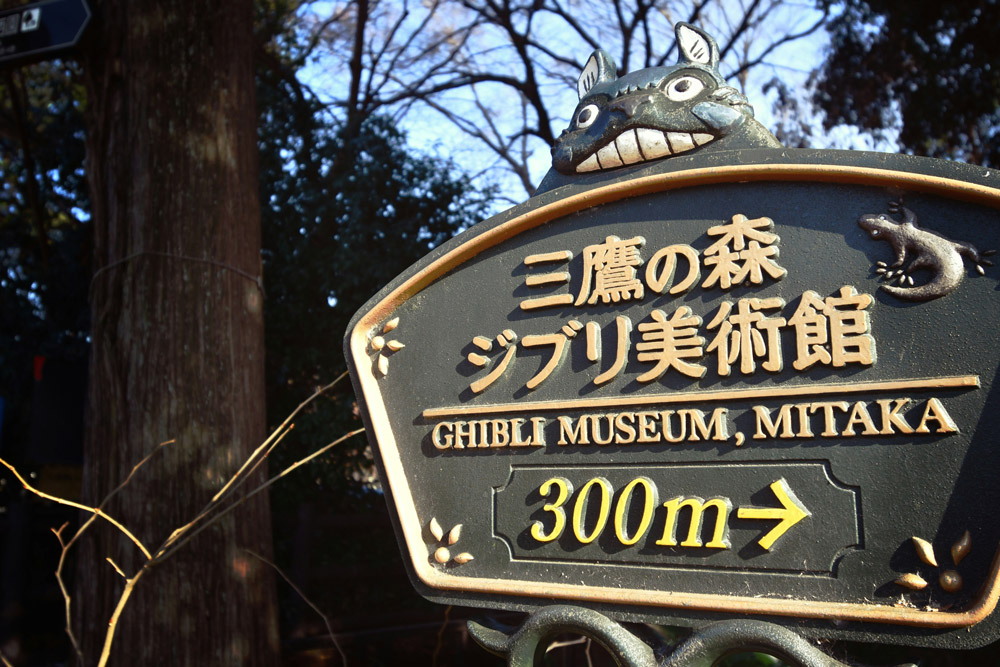
- Ghibli Museum Mitaka (1 month in advance): Not to be confused with the Ghibli Park in Nagoya, the Ghibli Museum sits in the suburbs of Tokyo. Tickets go on sale on the 10th of the month for the next month. For example, tickets for June will go on sale on May 10th. You cannot buy tickets at the entrance, so you have to pre-book them before going.
Travel Tip
Sometimes, there are parts of festivals or events that also need an additional reservation. For example, when we visited Huis ten Bosch in Nagasaki, we planned it so we could be at the fireworks festival. You couldn’t visit it without a pre-booked ticket, so doing your own research for more off-the-beaten-track places is very important!
- Shibuya Sky (2 weeks in advance): The popular viewing platform gives you the best views, especially at sunset. Unsurprisingly, the tickets for the sunset slots do sell out very quickly, so it’s best to prebook them as soon as possible. Note: The time slot only shows you when you’re allowed to enter. There is no limit to how long you can stay. So you could book an earlier slot and just stay up there until sunset.
- Tokyo Imperial Palace (1 to 2 months in advance): To enter the inner grounds of Tokyo Imperial Palace, you need to book one of the free guided tours in advance. You can do this on the official website. Tours become available at 5 am on the 1st of the month before your visit (for example, tickets for April become available on March 1st). There are some tickets available on the day in person, but they are limited and once they’re gone, they’re gone, so it’s best to make a reservation ahead of time.
- TeamLab (1 to 2 months in advance): There are multiple TeamLab exhibitions in Japan, and because of their popularity, tickets do sell out (especially for early morning slots). Most of the TeamLab exhibitions release tickets three months in advance, so it’s best to book them no later than one or two months beforehand. If tickets are sold out on the official website, you can also check Klook for any additional tickets.


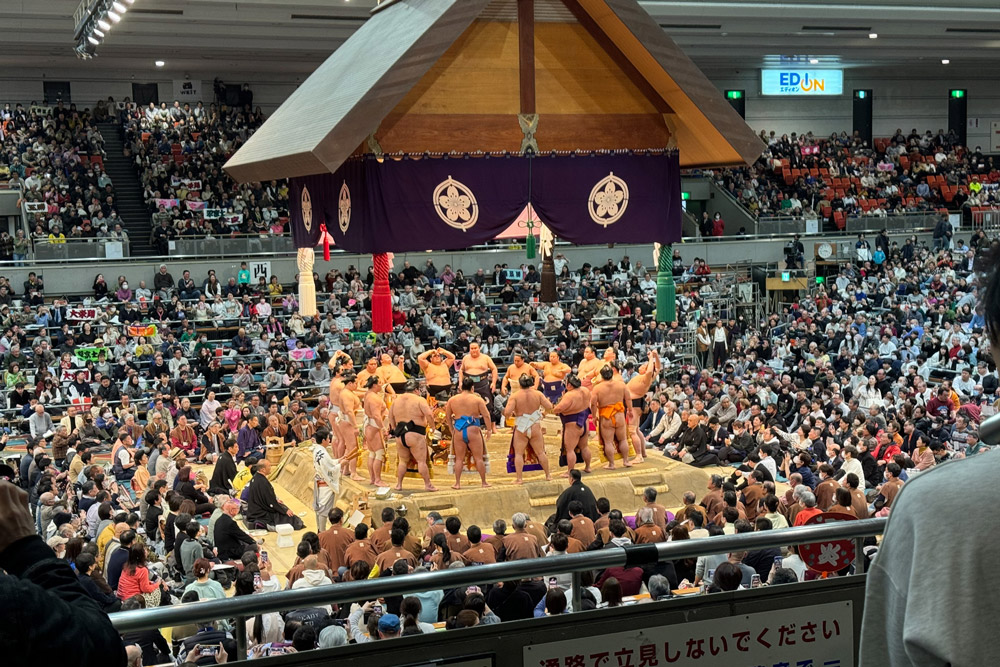
- Grand Sumo Tournaments (1 to 4 months in advance): If you happen to be in Japan during one of the six official sumo tournaments, it’s something I highly recommend visiting (even though tickets sell FAST). If you want to buy them through the official website, you can get tickets one month in advance. However, I recommend using a third-party website called BuySumoTickets, where you can pre-order them months in advance. I’ve bought with them before, and it was very straightforward. Tickets were sent to my hotel, and I was able to go see the Osaka tournament a few days afterwards.
- NPB Baseball Tickets (1 to 2 months in advance): Baseball season in Japan runs from late March to October, so if you want to catch a game, it’s best to buy a ticket beforehand as they can sell out, especially during busy times or for popular teams. Buying tickets differs depending on which team you want to see, so it’s best to check their official websites.
- Pokémon Cafe (1 to 2 months in advance): There are two Pokémon Cafes in Japan, one in Tokyo and one in Osaka. You will need a reservation for these (or you need to get very lucky and snatch up a spot after someone cancels). You can either book them yourself through the official website, which releases tickets 31 days in advance. Alternatively, you can use third-party booking services that book on your behalf. I haven’t used them personally, but I have heard good things in our Facebook Group about VIP Pokémon Cafe booking. You do need to make sure you let them know well enough in advance (35 to 40+ days).
- Kirby Cafe (1 to 2 months in advance): The Kirby Cafe (in Tokyo, Osaka and Hakata/Fukuoka) is another cafe that requires you to have a reservation, and they can be tricky to pick up too. Tickets are released on the 10th of the month for the next month (for example, on the 10th of June, tickets for July will be released). These tickets are gone within minutes, so if you don’t want to risk it, you can use a third-party service to get tickets for you. VIP Pokémon Cafe booking also offers tickets for Kirby Cafe in Tokyo, alongside the two Pokémon cafes.
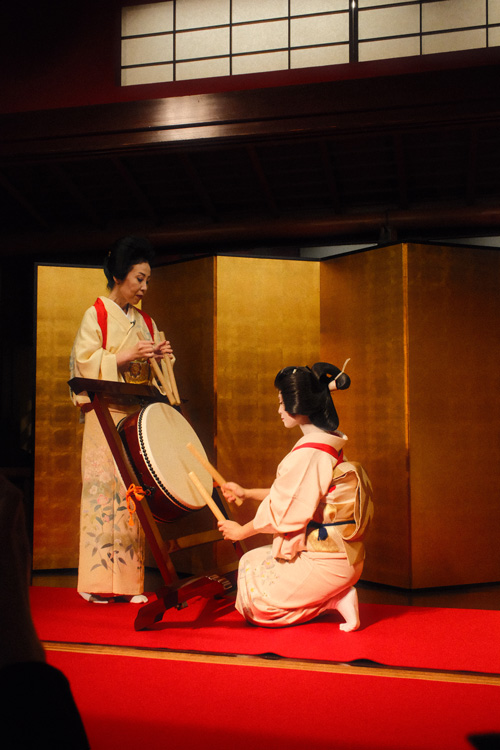
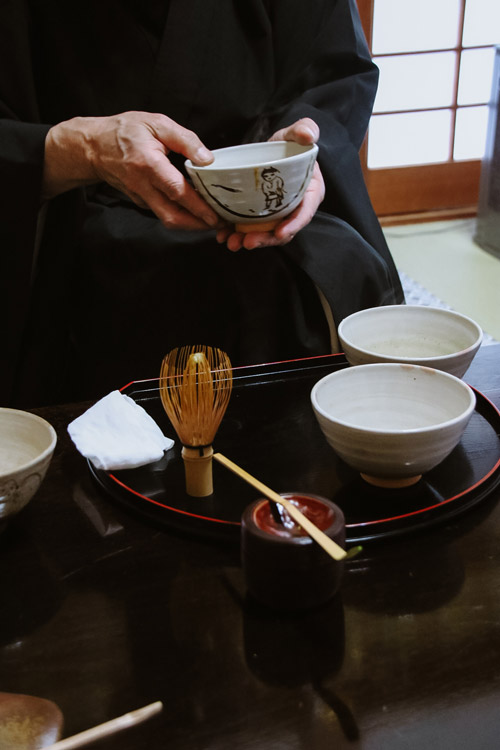
- Unique cultural activities (1 to 3 months in advance): This is a bit of a broad one, but because there are SO many amazing cultural experiences and workshops you can book in Japan, it’s very important that you do your research and book them before they fill up. Some of my top picks include the geisha evening in Kanazawa and a tea ceremony in Kyoto.
Travel Tip
I often get asked whether or not you need to reserve restaurants. Personally, I don’t think you need to, unless you want to go for a specific popular restaurant, special fine dining or omakase. In all the years I’ve travelled across Japan, I’ve only made a couple of restaurant reservations. There are so many restaurants, especially in the big cities, that you can easily find another one if one is full.
Hotels & Accommodation
2 to 6 months in advance
Picking where to stay during your trip can be tricky, especially since many hotels in Japan don’t open up reservations until 3–6 months before the date. I always suggest booking hotels with free cancellation, so you can change hotels if necessary.
To finalise your itinerary, it’s good to know in what area you’re staying. If you’re not sure where to start looking, you can use my accommodation guides. They include info on the best areas and hotels/ryokans in most major cities in Japan, based on my experience travelling around Japan.
Some of the most popular ones include:
- Where to stay in Tokyo
- Where to stay in Kyoto
- Where to stay in Osaka
- Where to stay in Hakone
- Where to stay in Hiroshima
- Where to stay in Fukuoka
- Where to stay in Kanazawa
- Read other accommodation guides here.
Some smaller towns, or special ryokans/hotels (like a temple stay in Koyasan, Sekizenkan in Shima Onsen or Arimasansoh Goshobessho in Arima Onsen) can book out very quickly. It’s important to have your itinerary ready as soon as possible so you can keep an eye out for when rooms become available for your preferred hotels.
Some hotels or ryokan offer facilities or services that need to be reserved, especially during busy times like cherry blossom season or Golden Week. What is necessary to pre-book and when completely depends on what the accommodation offers, but here are some things you may want to think about/check:
- Private onsen. If a ryokan has a private onsen available, it can happen that you need to pre-book a time slot or pay a small additional fee for using it. It’s best to check before arriving in case you are planning to use it (if you have tattoos, for example).
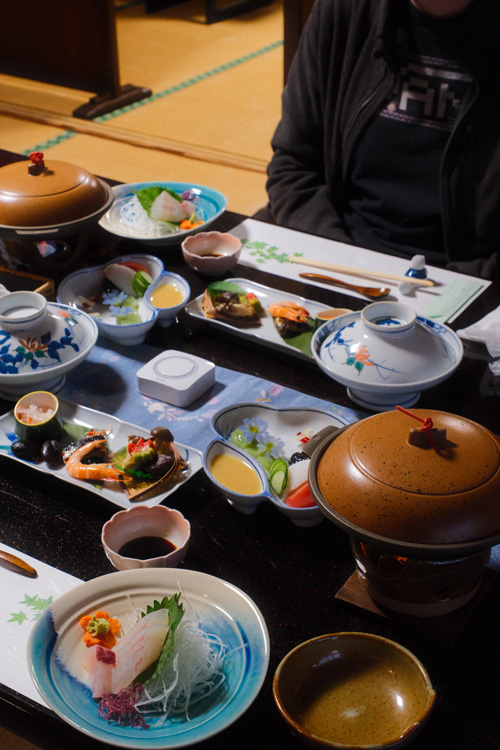
- Kaiseki dinner, especially if you have any dietary requests or need to reserve a certain time slot.
- Pick-up service or shuttle bus. Especially in more remote places, some hotels offer to pick you up from the station with your suitcases, especially if it’s hard to get to the hotel/ryokan with public transport. For example, we’ve had pick-ups from the nearest train station while walking the Nakasendo, but we had to let the hotel know in advance.
- Any cultural experiences or bike hires. Some hotels offer special experiences you can prebook. For example, we booked a temple stay in Sasaguri, Fukuoka, especially because they offered a sutra copying workshop. Similarly, some accommodations offer bike rentals (for example, around Lake Kawaguchiko), but it’s sometimes necessary to let them know in advance. It’s best to read the description of the hotels properly to see what’s available so you don’t miss out.


Internet
1 day to 3 weeks in advance
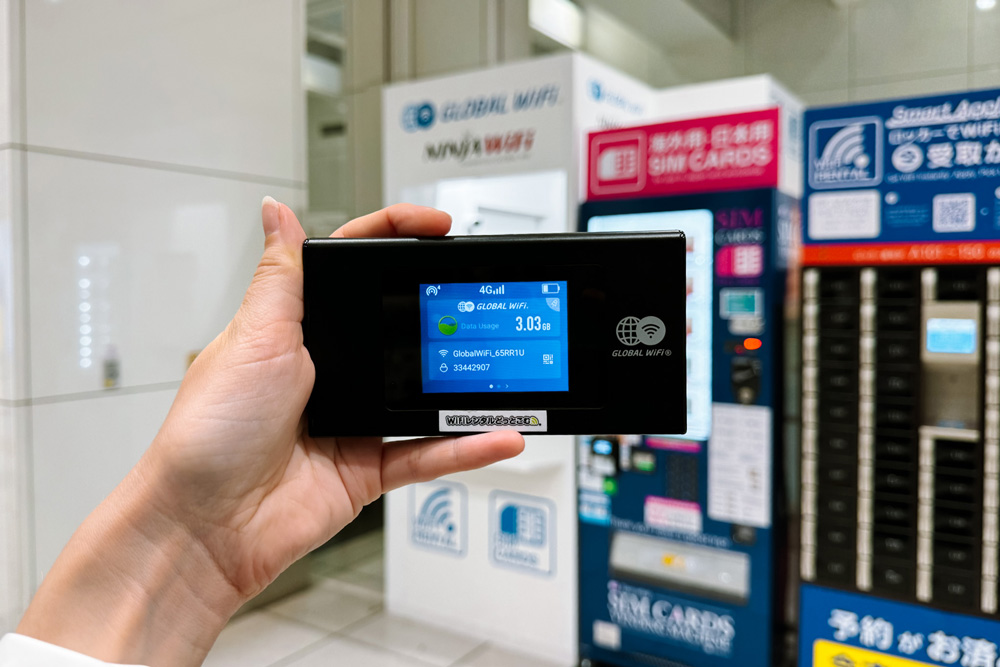
You will need a stable internet connection when travelling to Japan to help you navigate the train system, use Google Maps for directions, translate menus and stay in touch with friends and family back home.
Sometimes, you can use your home provider, but this is often way more expensive compared to a Pocket WiFi or eSIM. It’s worth double-checking how much your current phone provider charges for roaming abroad and seeing if there are any hidden charges attached to using them abroad.
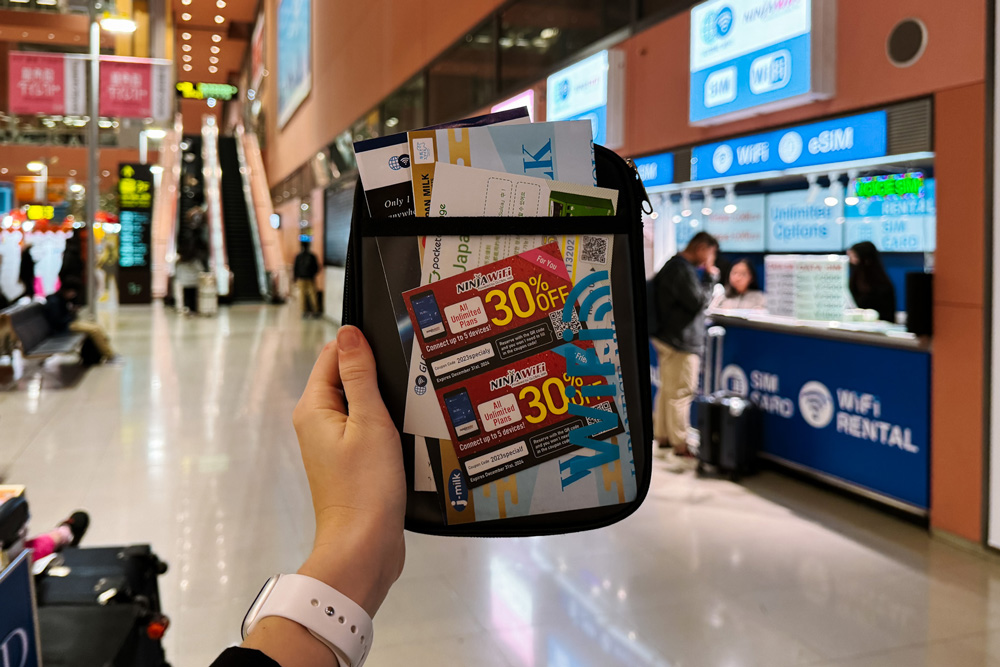
Using a Pocket WiFi or eSIM is often the best way to stay connected in Japan. I have a full guide that explains the difference and which one is best for what type of traveller.
For eSIMs, I recommend the Journey Japan eSIM. They are a Japan-based company using NTT Docomo’s network, which guarantees coverage over 99% of Japan. Another pro is that Journey Japan allows you to use unlimited tethering and hotspotting (even on the unlimited data plan).
You can use code THENAVIGATIO for 5% off the Unlimited Plan:
If you would rather use a Pocket WiFi (if you’re travelling with a group, for example), Japan Wireless is one of the best choices. You can pre-order the device and pick it up at the airport of your choice. All you have to do is turn it on and connect to it on your phone, just as you would with your home WiFi.
You can use code NAVIGATIO for 25% off:
Transport
0 to 30+ days in advance
Not all transport needs to be booked in advance, but there are a few things you want to consider when making your itinerary. Here are some transport items you want to consider prebooking:
- Transport from the airport to your hotel (3 to 7 days in advance): The last thing you want to worry about after a long international flight is not knowing how to get to your hotel. I have separate guides on how to get to Tokyo from Haneda Airport and Narita Airport with all the options, times and prices. Public transport is a great budget-friendly option, but if you’re arriving very late or with a group/family, you may want to book a private transfer instead.
- Shinkansen tickets (0 to 30 days in advance): In most instances, it’s not necessary to book your bullet train tickets in advance. I normally just buy them on the day I travel at the station. However, if you are travelling with a group, with luggage or during a very busy time (like Golden Week), it could be worth pre-booking the tickets to make sure you’ve got a seat. Tickets open up 30 days beforehand and can be booked online.
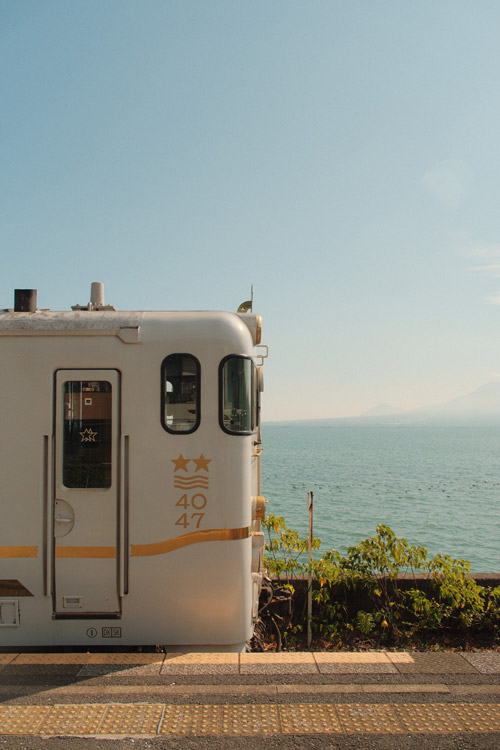
- Sightseeing trains (1+ month in advance): There are a lot of sightseeing train rides available in Japan, and they do require you to make a reservation beforehand. When you can book them depends on which train you want to ride, but the tickets are often released around one month in advance. For example, bookings for the Sagano Romantic Railway, the Aoniyoshi Kintetsu or the Two Stars 4047 all open up one month in advance. Note: Japanese websites can be a pain to use and navigate. When I tried to get tickets for the Yufuin no Mori train, I ended up going to Klook and buying them there instead because it kept showing as sold out.
- Suica card (1 day in advance): If you’re on iPhone, you can add the Suica Card to your Apple Wallet so it’s ready to be used when you land in Japan. If you need a physical Suica Card, you can buy one in Japan.
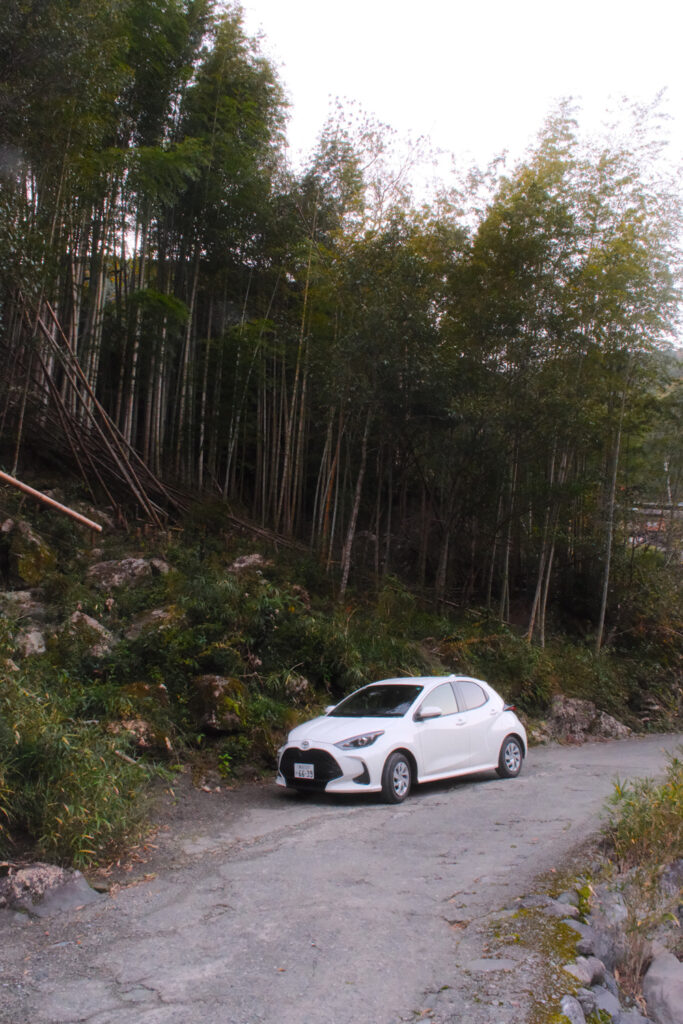
- International Driving Permit (1 to 3 months in advance): If you are planning to rent a car in Japan, you will need an IDP alongside your regular driver’s licence. They will check this at the car rental pick-up, so don’t get caught out. You won’t be able to rent a car without it.
Extra Things to Check Before You Go
There are a few other things you may want to pre-book or sort out before your trip, including:
- Check if your passport is valid and check if you need a visa (70+ countries have visa exemptions; you can check them here)
- Bank cards. Make sure your bank allows you to take out money abroad via ATMs. Most banks won’t have any issues with it, but you sometimes need to let them know in advance or switch a setting in the online app. Best to check before you arrive in Japan!
- Get travel insurance; never travel without it! You never know what could happen.
- Bring a stamp book. If you’re planning to collect stamps across Japan (it’s free!), you may want to bring a book with you, as there are stamps at most airports. That way, you don’t miss out on the first few stamps.
If there are any more things you should book or reserve beforehand and I haven’t mentioned them, please let me know in the comments so I can keep adding to this list. Happy travelling!







Can you tell me what the bus trip from Shinjuku to Takayama is like in terms of comfort. It is 5 hours 45 mins .
Thank you.
Hi Penny, I’ve actually not done this route myself so I can’t comment on it, sorry!