Many tourists in Japan try on a kimono to walk through the well-preserved districts in cities like Tokyo, Kyoto and Kanazawa. But is this cultural appropriation? Is it okay to wear a kimono as a tourist?
When I visited Kyoto for the first time, I wanted to wear a kimono. With many kimono rental businesses scattered across the city, I thought it was a rare opportunity to finally wear one of those beautifully decorated robes, especially in a setting as nice as Kyoto. But quickly, the question of cultural appropriation arose…
“Can foreigners wear a kimono?”
It goes without saying that I have great respect for Japan, its people and its culture, and the last thing I wanted to do was make the insensitive mistake of offending people by wearing their traditional clothing. Thus, before booking my kimono appointment, I dove into research mode.
So, if you’re planning to rent a kimono in Japan as a foreigner, here is all the information you need!
Disclaimer: I can’t speak for a nationality I’m not a part of, so all I can share is my findings from research and speaking to people from Japan. I just want to be honest about my experience so you can make an informed decision on what to add to your Japan itinerary.
What is a Kimono?
Before we dive into the question of whether or not wearing a kimono as a foreigner is cultural appropriation, let’s cover some basics. If you want to skip ahead, you can scroll down for the information about whether you can wear a kimono as a foreigner.
First things first, what is a kimono?
The kimono is one of the main things Japan is most famous for. These beautiful robes are often depicted when worn by Geisha or people visiting festivals or shrines.
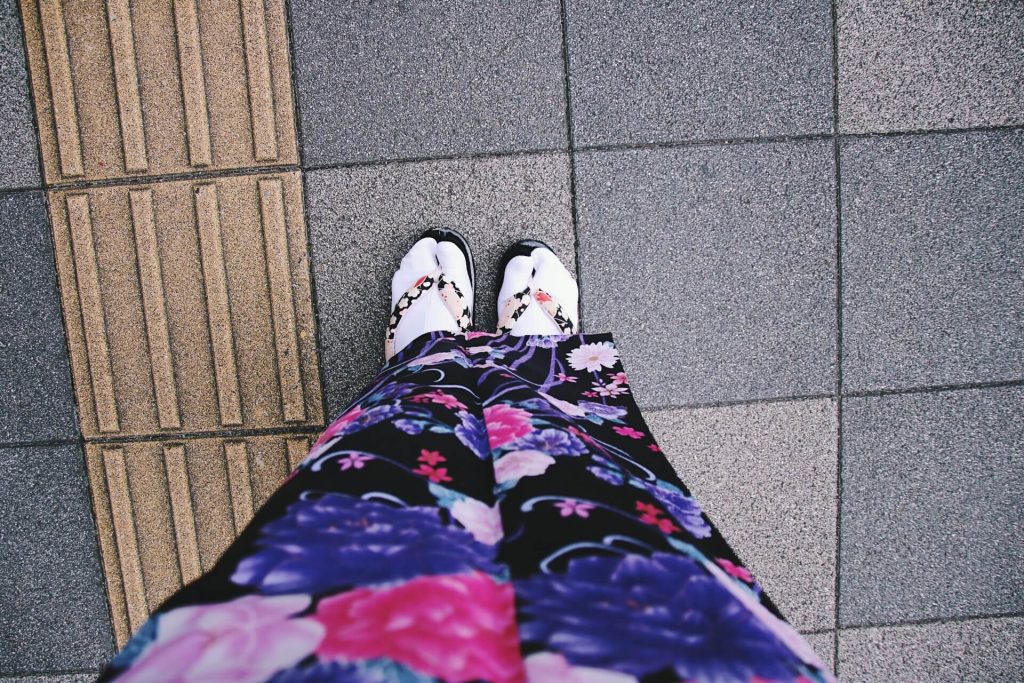
The word “kimono” (着物) literally translates to “something to wear”. Traditionally, they were hand-sewn into a classic T-shape. Made of silk fabric, kimonos were dyed with stunning colours and embroidered with symbols and patterns to match the owner’s personality.
These iconic pieces of fashion are worn at ankle length, and the long sleeves fall against the wearer’s hips (or even to the ground, depending on the type of kimono). Kimonos are tied with a sash called an obi (帯). These are tied into a knot at the back, holding the kimono tightly together.


When Do Locals Wear a Kimono?
These robes used to be the general form of clothing worn in Japan. This started to change during the Meiji Era (1868–1912). Japan saw influences from Western fashion, like suits and dresses, and started to implement these into its own culture.
The kimono is now mainly worn during more special occasions such as weddings, graduation ceremonies and festivals.
Is Wearing a Kimono Cultural Appropriation?
Now the big question… Can foreigners wear a kimono? Or is this cultural appropriation?
To get straight to the point: As long as a kimono is worn out of respect and appreciation for the Japanese culture, it’s perfectly fine to wear a kimono as a foreigner.
As mentioned before, as a white European woman, I can’t speak for a culture and nation I’m not a part of. I simply want to share my findings when researching the same question before I rented a kimono in Kyoto. I’ve done extensive research and spoken with people from Japan to make sure this article is as transparent as possible.
Cultural Appropriation or Cultural Appreciation?
Context and intent are important here.
It goes without saying that wearing a kimono to shame, sexualise or make fun of the Japanese culture is offensive. But wearing a kimono in Japan as a foreigner because you appreciate the culture and want to experience it is completely fine.
It’s not only allowed, it’s encouraged.
It is a way to show appreciation for Japanese culture. Many establishments in larger cities like Tokyo and Kyoto rent kimonos to non-Japanese visitors. Wearing a kimono is a way to enhance your visit and soak up the culture even more.
“I think it’s beautiful. I’d love it if Japanese culture would become popular around the world. I want to share it with them.” – Okinawa Kimono dressing shop owner (Currently Hannah video).
In Hannah’s video, she interviews Japanese people about the topic. The main point you can take from it is that they love seeing non-Japanese people wear a kimono the correct way. Since they’re quite complete pieces of clothing, it’s best to go to a rental place so you can be dressed by a professional dresser.
“In all the times I wore kimono or yakuta, I’ve never received any kind of negative remark. Not even an unhappy face looked in my direction. I think this is because, for Japanese people, to wear kimono is to appreciate their culture. So, to see a foreigner do the same thing, that’s exactly what it is.” – Hannah.


Another great video to watch is the one below. Japanese people react to Katy Perry dressed up in a kimono and the backlash it received.
The video addresses one important point – it’s often people who aren’t part of the Japanese culture who are claiming it to be cultural appropriation.


Having worn a kimono as a foreigner in Japan myself, I can say it was a very positive experience for me. Not only did it make me feel more connected to the Japanese culture, but it was also lovely to engage with locals while wearing it. We got many smiles and even some bows while walking through Kyoto while wearing a kimono.
There are certain things I wouldn’t do again, like visiting an owl cafe in Japan, but renting a kimono is definitely something I’d like to experience again.
Where to Hire a Kimono in Japan
When you’re in Japan, there are countless places to rent kimonos from. Especially if you’re visiting a larger city like Tokyo, Kyoto or Kanazawa, you won’t have any trouble finding one.
It’s quite common for tourists to rent a kimono for the day; you’ll see lots of them walking around, especially near shrines. A quick Google search will give you the best prices and most reviewed rentals around you.
I decided to go with a company called Yumeyakata in Kyoto during my first time in Japan. I was recommended this shop by a friend of mine who visited Japan a few years before my first trip. Yumeyakata’s kimono rental is located not far from the ancient Geisha districts, Gion and Higashiyama. From Gojo Station, it’s about 3 minutes on foot.
It is best to book a time slot in advance since some of these shops get pretty busy!

How Much Does it Cost to Rent a Kimono in Japan?
Prices will depend on what company you’re renting from, how long you’re renting the kimono for, the type of kimono and what extras you want to purchase. Usually, you can find all the prices listed on the website of the company you want to rent from.
We paid ¥5,000 for two kimonos to rent for a full day, but you can rent kimonos for as cheap as ¥1,900. It’s worth checking if the shop has any discounts or deals you can take advantage of. We got a ¥1,000 discount because we rented two kimonos as part of a couples deal.
Wearing a Kimono as a Foreigner in Japan: My Experience
I rented a kimono for half a day from Yumeyakata in Kyoto. Before this, I had never worn a kimono before. And to be totally honest, I was a little nervous!
Luckily, the lovely staff were lovely and made it an unforgettable experience. I’ve described our experience below in case you’re wondering what to expect:
1. Picking Your Kimono
We arrived at the shop just before our appointment at 10 am. A member of staff took our names and showed us the selection of kimonos they had to offer.
The shop had over 500 beautiful kimonos to choose from, plus hundreds of colourful obis and accessories. Kimono sizes all depend on your height, and as a tall white Dutch woman, I was shown the 170+cm kimono robes.
It was definitely a challenge to decide which one I wanted to wear because they were all beautiful. I wasn’t quite sure what colour obi fitted with the colours of my kimono, but a staff member helped me pick a fitting one. Picking the kimono took around 15–20 minutes.
2. Getting Dressed in a Kimono
When renting a kimono, you are dressed by a qualified kimono dresser. After choosing our kimono and obi, we were guided upstairs. Men and women are dressed on different floors, for privacy reasons.
One of the dressers came up to me, and I handed my kimono and obi to her. My basic Japanese was nowhere near good enough to properly communicate with her, but with hand gestures and a few friendly smiles, we got there. She was very patient with me and made sure I was comfortable throughout the whole process.
I had to undress (just keeping my underwear on), and the dresser started putting on the different layers of the kimono.
And when I say process, it truly was a process. Putting on the kimono took around 20 minutes. I had no idea a kimono had this many layers and parts to it. The folding techniques that were used were incredibly fascinating to look at.
After I was dressed, I was given a little handbag for my phone and other valuable items that I didn’t want to leave at the store. My clothes and backpack were stored safely in the back. I was sent back downstairs, where I got to pick some traditional Japanese socks and sandals to complete the look.
Richard, my husband, was already waiting downstairs, wearing his kimono. We then spent the next two hours walking around the area.
The kimonos are definitely not the easiest pieces of clothing to walk around in if you’re not used to them. But it was really fun to explore some parts of Kyoto wearing Japan’s traditional clothing. We even got some compliments from locals we met during our little walk!
3. Returning the Kimono
We rented our kimonos for the entire day, which means we could return them whenever we wanted. We ended up only wearing them for a couple of hours. Because we had planned to walk through Higashiyama and Gion during the afternoon, and I lacked the skills to properly walk in a kimono, we decided to bring them back right after lunch.
When we arrived back at the rental store, the process was quick and easy. The same dresser was waiting for me upstairs, and I took the kimono off. Undressing was way quicker than putting it on! In about 5 minutes, they had taken off my kimono, and I was able to put on my own clothes again.
Downstairs, I was given back my backpack, and we continued our two days in Kyoto.


Tips for Wearing a Kimono in Japan as a Foreigner
If you’re planning to rent a kimono in Japan as a foreigner, here are some tips to make your experience even better:
1. Early Slots May Cost Extra
It’s common for kimono rental shops to charge extra for early appointments. If you want to pick an appointment before 10 am, you may get charged an additional fee.
Of course, this means that you get to wear your kimono for longer, but if you’re planning to only wear it for a few hours, it might not be worth it.
2. Don’t Bring Too Many Personal Belongings
Because you’ll only get given a small bag for your phone, purse and other valuables, don’t take anything more than necessary. This is difficult if you’re on a trip through Japan, but keep in mind that you will have to leave everything else at the shop. Of course, they will do their best to keep it safe, but better to be safe than sorry.
3. Use the Bathroom Before Putting on Your Kimono
Needless to say, going to the bathroom while wearing a kimono isn’t the easiest thing to do. It’s better to avoid it by using the restroom before your appointment at the kimono rental.
4. Wear Clothes That Are Easy to Take Off
Plan your outfit accordingly. Make sure you wear something that’s easy to take off and put on. It saves a lot of time and hassle for both you and the dresser.
5. Be Careful with “Flipped” Selfies
Kimonos are worn in a very specific way. The collar of the kimono is worn left-over-right. In Japan, the dead are dressed for their funeral in kimonos with a collar worn right-over-left.
Because selfie cameras often “flip” the image, please be careful that your kimono doesn’t look like the collar is worn right-over-left.


Conclusion – Can Foreigners Wear Kimono in Japan?
Yes. As long as you wear the kimono out of respect, it is totally fine to wear a kimono as a foreigner in Japan. Wearing a kimono in Kyoto was one of the favourite things I did during my first trip to Japan and something I’ve enjoyed many times since.
Cultural appropriation is a complex issue, so it’s only natural to worry about it. I’ve listed the sources I’ve used for this article below so you can check them out for yourself. But overall, I hope that this article has given you some insight into the topic and helped you decide whether or not you want to hire a kimono when you’re visiting Japan.
I’d love to hear your thoughts on this topic! Do you think it’s okay to wear kimono as a foreigner? Have you ever tried on a kimono and what was the experience like?
Sources:








Loved how informative this was! I didn’t know much about kimonos but they are such a big part of Japanese culture. Love the design you chose x
I’m so glad you enjoyed the blog post! I wish I could’ve brought it home, honestly haha so pretty!
This post was so interesting and informative. I really want to try one now so hopefully one day I’ll be able to go to Japan. Love your colour choices too!
Cara
Thank you for the kind words, really glad you enjoyed the post! Hope you get to try one someday, it really is such a cool experience! 😀
This was so informative! I had no idea they had so many layers to them or that they were harder to move in. I’m so glad you mentioned the bit about appropriation, I would be really worried about that beforehand too. The one you chose looks amazing! x
Sophie
http://www.glowsteady.co.uk
Thank you! ^_^ I had no idea either, until they were dressing me haha! There’s such an art in folding it properly!
This is a fantastic post, I love the tips you’ve included.
You look absolutely amazing in that kimono!
I’d definitely want to rent a kimono if I visited Japan.
What a fantastic post! I had no idea that the pattern/symbols on a kimono were the reflection of the owner’s personality – that’s so sweet! So nice to learn about other cultures through posts such as this. 🙂
The article is really great especially on the part of the Kimono rental. I am looking for one but it is very expensive.
Hi, thank you for this article! I’ve been doing a lot of research on this topic. Partially because I own a haori by now but also because I hope that I’ll be able to visit Japan one day. After reading that Japanese people don’t mind it at all if you’re wearing, in my case, a haori as long as it’s respectful/correctly I finally had the courage to wear it outside and it’s been very nice. It’s perfect for when it’s hot outside, because I’m more comfortable with long sleeves and haoris are just so beautiful.
All of that started with my wish to draw kimonos correctly, well..
🙂