Nagasaki is steadily becoming one of Kyūshū’s most popular travel destinations. Our one day itinerary will help you plan the perfect Nagasaki day trip.
Far from the hustle and bustle of Tokyo, Nagasaki is a staple of Kyūshū island – the perfect place for your next getaway. With its longstanding history and picturesque slopes, Nagasaki is a multicultural city that is home to not just one, but two UNESCO World Heritage Sites.
As someone who used to call herself a Nagasaki local, there’s nothing quite like hearing the bicoloured tram dutifully clacking along its tracks, getting that first taste of Champon noodles, or seeing the “10-million-dollar night view” from Mount Inasa’s observatory after spending a day exploring “the San Francisco of Japan.”
After reading our guide to planning the perfect one day itinerary in Nagasaki, I hope you will be ready to visit one of the best places in Japan to see, taste, and experience history for yourself.
- Nagasaki Day Trip Itinerary Overview & Map
- One Day In Nagasaki Itinerary
- 1. Arive In Nagasaki
- 2. Strike A Pose At The Spectacles Bridge
- 3. Shop Around The Hamamachi Shopping Arcade
- 4. Say Your Prayers At Suwa Shrine
- 5. Escape The Noise At Matsumori Tenmangu Shrine
- 6. Explore Glover Garden’s Historic House On The Hill
- 7. Relax At Nagasaki Seaside Park
- 8. Get “Spirited Away” In Shinchi Chinatown
- 9. Dive Into Nagasaki’s Nightlife
- 10. Stand Among The Stars At Mount Inasa’s Observatory
- How Many Days Do You Need In Nagasaki?
- Is It Worth Visiting Nagasaki?
- Conclusion – One Day In Nagasaki
Nagasaki Day Trip Itinerary Overview & Map
If you don’t have enough time to read the full Nagasaki itinerary, you can check out the map below. It includes everything from the guide below – but read on for more insider tips and extra information to make your time in Nagasaki unforgettable.

Nagasaki City offers some of the best public transportation in Japan. Thanks to the Nagasaki tram system, as well as extensive bus and taxi services, getting around is super easy.
While you could walk to all of the stops on our itinerary, please note that Nagasaki is famous for its slopes. So, if you decide to step off the beaten path (which we will towards the end), be prepared for a workout!
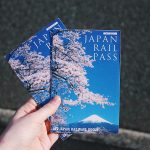
If you’re interested to see more of Kyūshū, I recommend checking out the All Kyūshū JR Pass or regular JR Pass. Also don’t forget to read our 7 day Kyushu itinerary to explore more of this beautiful part of Japan.
The Shinkansen bullet train is an excellent way to travel around Japan at a more affordable price. For more information, read our JR Pass Guide and stop by the newly remodelled Nagasaki Station.

More time in Nagasaki? Check out my 2-day Nagasaki itinerary for a detailed guide on how to spend more time in this beautiful city.
One Day In Nagasaki Itinerary
Here’s how to see the best of Nagasaki in one day:
1. Arive In Nagasaki
If you’re travelling to Nagasaki after spending a day or two in Fukuoka, it’ll take about one hour and 20 minutes. From Hakata, make your way to Takeo-Onsen – from there, you can jump on the Shinkansen to Nagasaki.
If you’re coming from Osaka or Tokyo, you can also access Nagasaki City via the Nagasaki Airport. It takes about two hours to fly from Tokyo to Nagasaki, while you can get there from Osaka in just one hour.
A one-way ticket for a non-stop bus from Nagasaki Airport to Nagasaki Shinchi Terminal (Nagasaki Station) costs around 1,000 yen. If you decide to take this route, you can board the bus at Platform 4, which is conveniently located near the booth for purchasing bus tickets.
2. Strike A Pose At The Spectacles Bridge
This wouldn’t be the perfect Nagasaki day trip if we didn’t start with “Megane-Bashi” or the Spectacles Bridge. The name comes from the image reflected on the water, which looks like a pair of round-shaped glasses. The Spectacles Bridge hangs over the Nakashima River and is joined by seven other stone bridges, each as unique and stunning as the next.
The bridges aren’t the only spectacles to be found in this historic neighbourhood (see what I did there?). There’s also a building with a train-shaped facade, a cat shrine, a Buddhist temple that is home to a large ginkgo tree, several statues of historical figures, public art installations, and matsuri (festival) decorations if you happen to visit during the Nagasaki Lantern Festival.
In the centre of the river, there are stones you can walk on and pose for the best photo with an iconic Nagasaki symbol behind you. Remember to keep an eye out for the “secret” heart-shaped stone as you walk along the riverbank for one more place to strike a pose.
There are many interesting things to see in this small area, so it’s best to take your time and enjoy walking around this famous symbol of Nagasaki. Whenever I visit the Spectacles Bridge, I make sure to stop by HafH Nagasaki SAI and grab a coffee to enjoy while exploring.

3. Shop Around The Hamamachi Shopping Arcade
The Hamamachi Shopping Arcade, or simply, “The Arcade,” is a popular retro-style shopping area that is the gathering spot for Nagasaki locals. From the Spectacle Bridge, it only takes about 10 minutes to get there.
It is a ménage of chain restaurants, 100 yen stores, second-hand clothing stores, stationery shops, and pretty much any other kind of popular Japanese store you can think of. And yes, there is even a cat café and, of course, a Don Quijote.
My personal go-to shop for buying omiyage or souvenirs is the Ishimaru Bunkoudou Flagship store. Each floor sells a different type of stationary item and there are six floors in total.
For breakfast or lunch, most locals would tell you to go to Fujio. This café has original counter seat-style seating that sells the best sandos (sandwiches) in Kyūshū. It has been open since 1946 and is still going strong.

4. Say Your Prayers At Suwa Shrine
Before you step off of the city tram at Shindaikumachi Station, the first thing you’ll notice is the giant white torii gate that guards Suwa Shrine. This is Nagasaki’s premier Shintō shrine. If you are coming from the street-level entrance, you will come across several of these large stone torii gates and will pass by two huge stone lanterns that light up at night.
Suwa Shrine has historically hosted many of Nagasaki’s most famous festivals, such as the coming-of age-festival for children (shichi-go-san) and the Nagasaki Kunchi Festival. The Kunchi festival is one of the most famous cultural festivals in all of Japan and has been celebrated for nearly 400 years. It’s held every year from October 7th through the 9th.
Hundreds of people gather at the shrine’s approach to watch the famous Dragon Dance, wear traditional Japanese clothes, and eat traditional festival food like takoyaki (grilled octopus balls).
Suwa Shrine is an excellent place to see Nagasaki’s famous slopes. The shrine also offers English-translated omikuji (fortune) and there is even a soba-noodle shop on the premises. There is also a small zoo nearby, called Nagasaki Park Animal Square.
If you are down for more urban exploring, behind Suwa Shrine is a street called “the unusual road” that has several large trees growing in the centre. If you hike another 15 minutes up the hill, there is Tateyama Park, which offers even more breathtaking aerial views of Nagasaki (literally).

5. Escape The Noise At Matsumori Tenmangu Shrine
If you’re looking to add a more lowkey and less touristy place to your itinerary, then I would recommend visiting Matsumori Tenmangu Shrine. It’s only a five-minute walk from Suwa Shrine and is more discreet. It rests in a quiet neighbourhood away from the crowds.
The shrine is home to a beautiful stone torii gate as well as a flock of free-range chickens. Matsunomori Tenmangu Shrine has five smaller shrines that are carved from wood and have beautifully intricate details.
There are several large camphor trees on the premises that are considered sacred and are marked by shimenawa rope. There is also a cannon shell, which was donated by a Meiji Period War Minister.
Matsunomori Tenmangu Shrine is an excellent choice if you are travelling solo or simply want to find some peace and quiet in the confines of Nagasaki City.

6. Explore Glover Garden’s Historic House On The Hill
Our one day itinerary in Nagasaki would not be complete without making a stop over at Glover Garden. The park rests atop of Minami-Yamate hill, overlooking Nagasaki’s picturesque harbour and Megami Suspension Bridge, the longest cable-stayed bridge in Kyūshū. Each time I visit, I’m reminded of the view of San Francisco’s Golden Gate Bridge.
Glover Garden gets its namesake from Thomas Blake Glover, a Scottish merchant who settled in Nagasaki with his family during the Meiji Period (1863). The Glovers’ residence is so well preserved, it remains one of the oldest examples of Western architecture in Japan, along with nearby Oura Church, which is a UNESCO World Heritage Site.
The gift shop for Glover Garden is located inside the Nagasaki Traditional Performing Arts Center, which is the year-round home for the Kunchi Festival Dragon Boats.
At the bottom of the hill lies the Gunkanjima Digital Museum. Gunkanjima, or “Battleship Island,” was featured in the 2012 James Bond film Skyfall and was recently highlighted on the Abroad in Japan YouTube channel, which boasts 2.85 million followers at the time of writing.
If you decide to add Glover Garden to your perfect one day itinerary, my personal recommendation would be the Prayer Hill Picture Book Museum. Photos are not allowed inside, which is a complete travesty because the inside is so cute – it looks like something right out of a children’s book itself!
For 500 yen, you can access the second-floor gallery which often displays work from famous children’s book artists from around the world and is sure to be a sweet addition to your trip.

7. Relax At Nagasaki Seaside Park
So far, this Nagasaki itinerary includes 400-year-old shrines, glasses-shaped bridges, and a Western-style house up on a hill. Now it’s time to talk about Nagasaki Seaside Park, which is the perfect place to take a break after a long day of walking.
Similar to Kyoto’s famous Kamo River, Nagasaki Seaside Park is a place for locals to retreat after a long week of hard work. On the weekends, and often even on weekdays, you will find couples, families and friends gathering here to watch the departure of the cruise ships like the Diamond Princess (which, fun fact, was built in Nagasaki Port by Mitsubishi!), or enjoy watching the sunset behind Mount Inasa.
Within walking distance of Seaside Park is Dejima, a man-made island that was once the segregated home of the Dutch and Portuguese traders. There is also a boardwalk, which hosts Attic Coffee and a few restaurants that range from upscale seafood to Italian-inspired dining.
Nagasaki Seaside Park is the perfect place to sit down on a blanket, have a picnic, or simply walk around and feel the good vibes of the city alongside the locals. If you have an extra day or two to add to your itinerary, I highly recommend spending an afternoon here. There’s nothing better than watching all of the ships go by!

8. Get “Spirited Away” In Shinchi Chinatown
Shinchi Chinatown has a rich and complex history with the city of Nagasaki. In the past, Chinese foreigners living in Nagasaki were segregated into their own districts. Like the European foreigners at Dejima, they were not allowed to leave or interact with Japanese locals.
Today, this lantern-filled district has thousands of visitors every year. Many cruise ships carrying foreign tourists dock at Nagasaki Port and one of the first places cruise-ship goers check out is Chinatown (and the Studio Ghibli Store that just so happens to also be in Chinatown).
Shinchi Chinatown is also the best place to try Nagasaki Champon, a local dish that is famous for its historical significance as a Chinese-Japanese fusion dish. The thick broth and hearty noodles make it the perfect seafood-flavoured dish during the cold weather months.
Pork buns are a popular option for tourists to try as well. If you want to taste the real Champon, skip Ringer Hut and go straight to Kozanro Chukagai Shinkan. It’s a local restaurant that is so popular, you might need to make a reservation in advance; the food is that good!
If you would like to learn more about the history of Chinese people in Nagasaki, you can take the tram from Shinchi Chinatown to the Nagasaki Koshibyo Confucius Shrine. It’s close to Glover Garden and is also where the Historical Museum of China is located. The shrine houses lots of interesting artefacts, such as pottery and art.

9. Dive Into Nagasaki’s Nightlife
Nagasaki has a nightlife culture that is reminiscent of visiting the local bars in your hometown, but you still get away with never having the same night twice. It’s on a much smaller scale than the rambunctious nightclubs of Fukuoka or Osaka.
If you’re not too exhausted from a day of sight-seeing, and you’re in the mood for a cold beer on tap or thirsting for a sweet non-alcoholic substitute, LOCAL is the perfect place to settle in for the night and start up a conversation with the regulars who visit there.
This spring, LOCAL celebrated their 7th anniversary as the premier foreigner-friendly bar that is joined by Bar IWI and Daisyhill Nagasaki. The vibes at LOCAL are immaculate, and it’s my go-to place when I’m in the mood to chill, but still want to keep the party going.
The heart of Nagasaki’s nightlife is Shianbashi. The bars here are well-established and are within view of the Hamamachi Shopping Arcade. However, it is with a heavy heart that I must inform you that a date has been set for the demolition of this historic site.
On a more positive note, in place of the well-worn bars and nightclubs, a public park will be created, along with a restored riverbed. Luckily, there are still plenty of other places to stay out late in Nagasaki.
10. Stand Among The Stars At Mount Inasa’s Observatory
There is no better place to conclude our perfect Nagasaki itinerary than from 333 meters up in the air at Mount Inasa’s Observatory. Locals and tourists alike flock to the top of the mountain to catch a glimpse of the sun sinking into the sea.
The radio towers located atop Mount Inasa glow every night. If you can’t make it to the top, don’t worry, you can still enjoy the illumination from Nagasaki Seaside Park or the Dejima boardwalk!
To get to Mount Inasa, you can take a bus or car (there are several parking lots located near the summit). However, to get the best experience, I recommend taking the Mount Inasa Ropeway (open until 10PM). The glass car allows 360-degree views of Mount Inasa and gives passengers a front-row seat to Nagasaki’s dazzling night view. A very romantic sight, indeed!
To access the ropeway, you can take the tram to Takaramachi Station and then walk 15 minutes to Fuchi Shrine Station (the ropeway station is actually located within the precincts of a shinto shrine. Pretty cool, right?). Sometimes the ropeway is closed for maintenance purposes, so be sure to give yourself time in advance to hop on a bus in case the station is inaccessible.
Finally, one more special heart-shaped easter egg awaits within the “10-Million-Dollar Night View.” There are more hearts hidden throughout the observatory, so have fun searching for them as you wait for the stars to come out.

How Many Days Do You Need In Nagasaki?
While you can see some of the main highlights in Nagasaki in one day, I recommend spending at least two days in Nagasaki if you have the time.
If you spend another day in Nagasaki, we’ve got some more recommendations below. It’s a good idea to download Google Maps too – the app will help you find some of these spots as they are quite literally the definition of “off the beaten path.”
Extra Things To Add To Your Nagasaki Itinerary
If you decide to spend some extra time in Nagasaki, make sure you check out the following spots.
Wakamiya Inari Shrine is a fantastic spot that holds many surprises. Not only is it great for photos (there’s a scenic walk up under vermillion gates and a great view of Nagasaki’s famous slopes), but it is also where a very unique autumn festival is held.
During the Takengei festival, acrobats wearing fox masks climb 10-metre-high bamboo poles and throw mochi rice cakes at spectators while performing various aerial acts. The festival is held every year on October 14th and 15th.
The Statue of Sakamoto Ryōma. If you’re down for some urban hiking (and you want to really warm up those glutes), then continue on up the hill from Wakamiya Inari Shrine and you’ll eventually find the bust of one of Japan’s most famous samurai, Sakamoto Ryōma. Nagasaki actually has three statues dedicated to Ryōma-san.
The best views are found near the ones located up on the hill. If you don’t want to miss out, but also don’t feel like mountain climbing, you can take a taxi to the parking lot near the top. These are some of the best ones:
The Glover Sky Road is one of my favourite places to go when I want to really see Nagasaki’s unique topography up close. After taking the tram to the last stop, which is Ishibashi Station, walk about five minutes up the hill and you will come across an outdoor elevator that’s tucked away in a quiet neighbourhood.
While the elevator itself is a sight to behold, the views from the top are even better. If you follow the brick path and go up the second elevator (that’s right, there are two), you will arrive at the secondary entrance to Glover Garden.
However, if you turn right before getting on the elevator, the path will continue and you will soon find the entrance to a very lovely, ivy-covered street known as “Prayer Slope.” If you aren’t sure you’re in the right place, don’t be afraid to check Google Maps!

Is It Worth Visiting Nagasaki?
Yes, Nagasaki is definitely worth visiting. There are tons of great sights to see, delicious food to taste and history to learn about.
If you are visiting Nagasaki for the first time, I recommend visiting the Atomic Bomb Museum. The epicentre nearby Peace Memorial Hall is dedicated to the victims of the 1945 dropping of the atomic bomb and tells the stories of the survivors.
Like the Peace Park of Hiroshima, the experience is both sobering and informative. If you would like to honour the victims but would like to visit the museum another time, the nearby Peace Park is a beautiful public outdoor space that you can visit in lieu of the museum. Personally, I love looking at all the monuments that have been donated by nations from all over the world.
The people of Nagasaki advocate for world peace and carry a strong sense of local pride for their people and their city. Although they’ve gone through experiences that only a few others understand, they are always friendly and inviting to those who are respectful of their history and their culture, which is why I will always keep coming back to Nagasaki.
Conclusion – One Day In Nagasaki
Nagasaki truly has it all – hidden gems, delicious local cuisine, and even a Chinatown. From the top of Mount Inasa to the stone steps beneath the Spectacles Bridge, there is always something new to experience in one of Kyūshū’s most famous cities.
Why not try coming for a visit and see what Nagasaki is like for yourself?
If you want to see more of Kyushu, check out our Miyazaki itinerary!