Are you looking for fewer crowds, beautiful nature, and traditional crafts in Japan? Kyushu is the perfect spot for your next trip. Only a small percentage of foreign tourists visit this part of Japan, even though it has so much to offer.
It’s taken me a few years to finally visit Kyushu, but when I did, I went all in. For two months at the end of 2025, I drove around Kyushu trying to see and experience as much as possible.
The island is much bigger than you may expect, so trying to see a few places properly is a much better idea than rushing through all the prefectures. You’ll want to actually experience Kyushu, rather than just be driving from one place to the next. If you have 7 days in Kyushu, properly exploring Fukuoka, Saga and Nagasaki is a great start!
After seeing so much of Kyushu myself, this is the 7 day Kyushu itinerary I’d recommend to friends and family. Plus, I’ve added extra info and suggestions so you can adjust it and really make it work for your trip! Let’s dive in!

Northern Kyushu Itinerary Overview & Map
When visiting Kyushu for 7 days, I recommend sticking to Northern Kyushu. This way, you won’t have to rush from one place to the next, and actually experience what these incredible places have to offer.
This 7-day itinerary includes a mix of public transport and a rental car. Parts of Kyushu are difficult to get to by relying only on public transport. If a car isn’t an option for you, you can adjust this itinerary slightly, but you may have to skip a few parts (I’ll mention the options on the different days, don’t worry!)
Here is the route of this itinerary:

If there are other areas in Kyushu that you don’t want to miss, you can easily adjust this itinerary, or add extra stops after Yanagawa. Kumamoto, Mount Aso, Kagoshima, Miyazaki and Beppu are all amazing places to visit too, but it’s impossible to see all of Kyushu in only 7 days.
If you need help with your Kyushu itinerary, you can also book a Japan travel consultation with me, where I can help personalise your itinerary for Kyushu to make it work for you.
Where to Stay in Northern Kyushu
When travelling across Northern Kyushu for 7 days, there will be a few places to stay the night. As I recommend getting a car for parts of this itinerary, the hotels come with parking and are easy to reach. I’ve personally stayed in all of these hotels during my time in Kyushu and really enjoyed them!
| Day 1–2 | Fukuoka | Band Hotel Hakata |
| Day 3 | Ureshino | Yuzennoyado Toukai (Teacup Onsen) |
| Day 4–5 | Nagasaki | Candeo Hotel Nagasaki |
| Day 6 | Yanagawa | Hotel Route-Inn Yanagawa Ekimae |
| Day 7 | Fukuoka (or travel onwards to Southern Kyushu) | Band Hotel Hakata |
Travel Tip
Looking for other lesser-known areas to visit in Japan? My 10-day Shikoku itinerary takes you through one of my favourite parts of the country, even though most tourists never even consider going!
7 Day Northern Kyushu Itinerary
After 2 months of exploring Kyushu, this is the 7-day Kyushu itinerary I’d recommend to friends and family. See Fukuoka, Saga and Nagasaki Prefecture properly, without rushing.
Day 0: Arrive in Fukuoka
I’ve added this first day to the itinerary as a travel day to arrive in Fukuoka. How you’ll get here will depend on where you’re coming from. If you’re adding 7 days in Kyushu to the end of your time in Japan (for example, 2 weeks across the Golden Route), you may be coming via shinkansen, but you could also fly to Fukuoka Airport.
Both options are very easy. As Fukuoka is only an hour by shinkansen from Hiroshima, the bullet train is a great option if you’re adding some time in Kyushu to your trip. Arriving at JR Hakata Station, you’ll pretty much be in the middle of Fukuoka already. From there, you can get a taxi or metro, or walk to your hotel, depending on where you’re staying.
If you’re flying to Fukuoka, you’ll be pleased to know that Fukuoka Airport is pretty much in the city. There is public transport to the city, but when I fly to Fukuoka, I usually take a taxi because it’s only a short drive (10–20 minutes, depending on where you’re staying).
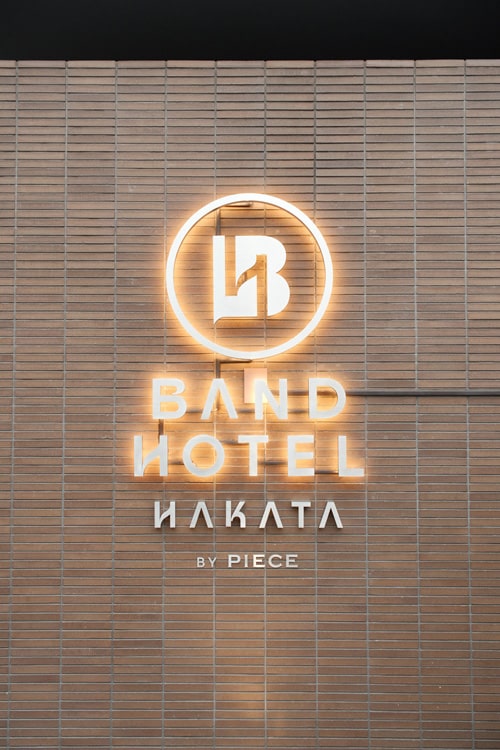
I’ve stayed in a few hotels across Fukuoka, but Band Hotel Hakata is my favourite one so far. Very stylish, modern rooms with a lot of space for your luggage, plus it’s located opposite Canal City. I’d definitely book it again when visiting Fukuoka.


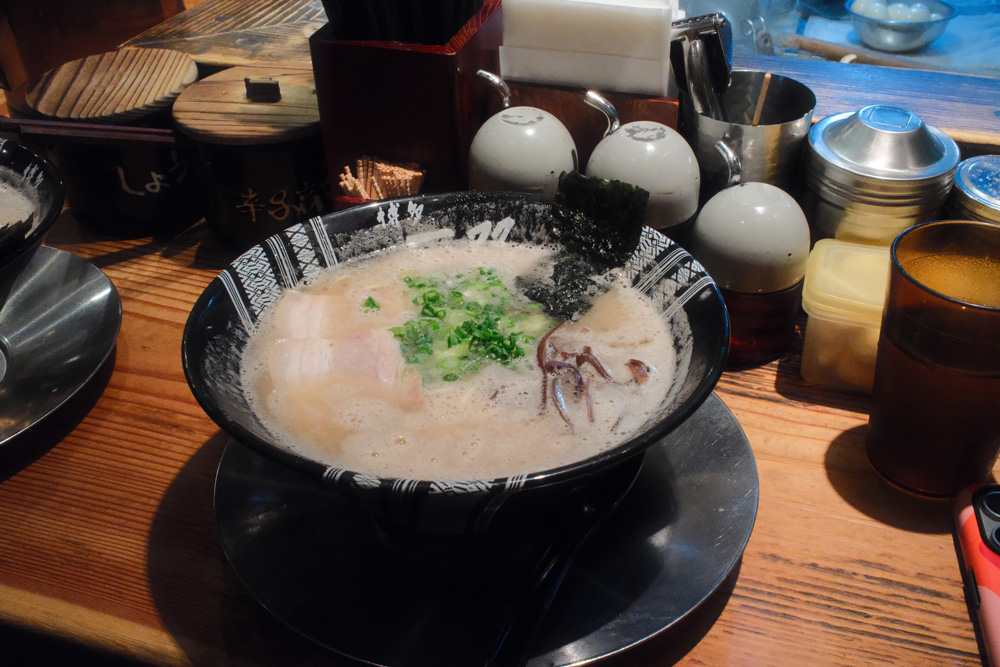
If you need a quick recommendation for dinner for your first evening in Fukuoka, Hakata Issou Honten is one of the best places to try the famous Hakata Ramen. It’s a short walk from Hakata Station. Beware of the (very) strong smell, though. It takes a bit of getting used to.
Day 1: Explore Fukuoka
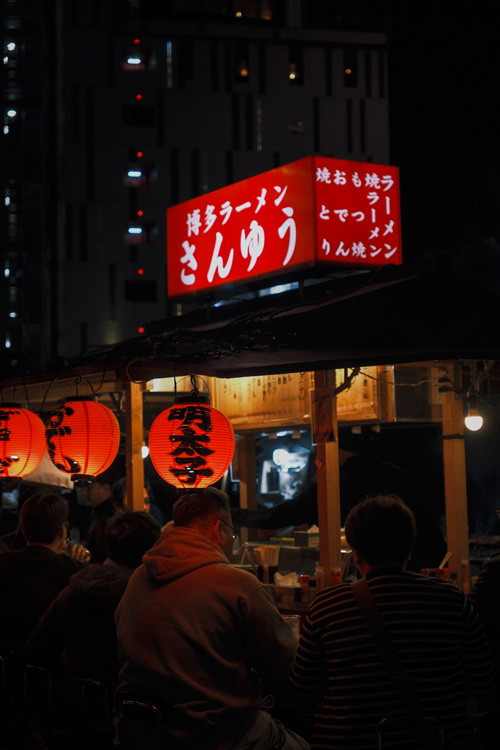
The first two days in Kyushu are best spent in Fukuoka city. This is the largest city on Kyushu, and there is a lot to see and do. As you only have two days to see the city, I recommend spending the first day exploring the old town, doing some shopping and eating out at the famous yatai food stalls.
Here is more info on your first day in Fukuoka:
- Sora Coffee: If you’re staying at Band Hotel Hataka, Sora Coffee is only a short walk away and a great spot for a quick coffee before starting your first day in Fukuoka. This local coffee shop has fantastic hand-drip coffee and homemade cakes/cookies.
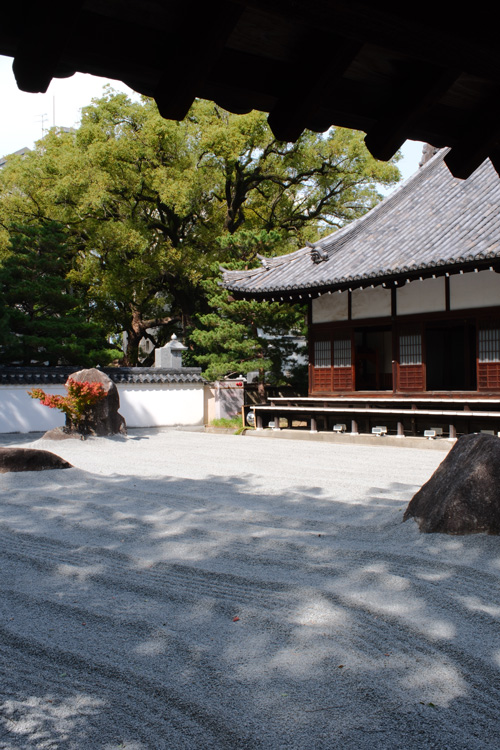
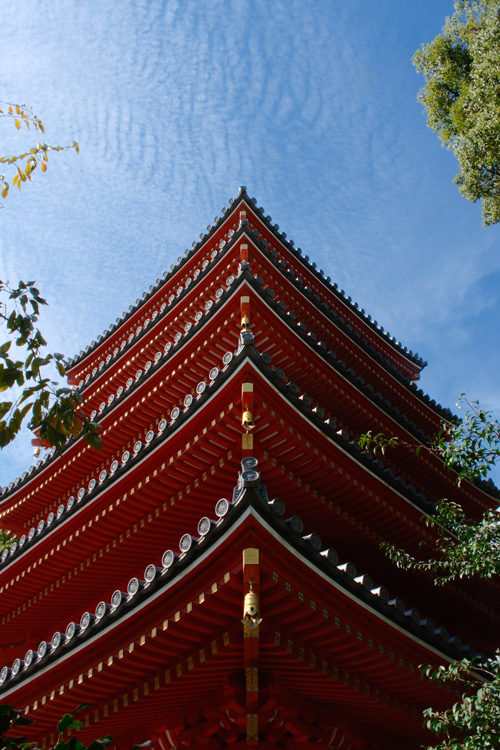
- Hakata Old Town Walk: Fukuoka has a well-preserved old town with many shrines and temples. I don’t recommend trying to see them all (temple fatigue, hello!), but there are a few that you shouldn’t miss. The easiest walk through the Old Town is as follows: Start at Kushida Shrine (where you can see some of the Hakata Gion Yamakasa Festival floats), then head to Ryuguji Temple (where you can find the gravestone of a mermaid), walk over to Tochoji Temple (dedicated to Kobo Daishi, and the Great Buddha of Fukuoka, which can be seen inside for a small fee), followed by Shofukuji Temple and Jotenji Temple. This should take around 2–3 hours.
- Tenjin Underground Mall & Canal City Shopping: The two big shopping areas in Fukuoka are Tenjin (including Kyushu’s largest underground shopping mall) and Canal City. The latter is easily recognisable thanks to its unique solar-punk design, and close to Band Hotel Hakata. This shopping mall also hosts a water and light show every 30 minutes!
- Yatai Food Stalls: Although a little touristy, the Yatai, or open-air food stalls, are a classic Fukuoka sight. One of the main areas where you can find them is Nakasu, just outside of Canal City along the riverside. The stalls are only small, seating between six and eight people and serve quick dishes like ramen, yakitori, udon and gyoza. Wash it down with a (non-) alcoholic drink, and you’re good to go. They open between 6 am and 2 am, so perfect for a quick dinner after shopping.
I also have a full Fukuoka itinerary that includes even more info on these sights, plus two day trip options to add if you have more time in Kyushu.


Day 2: Explore Fukuoka
On the second day in Fukuoka, it’s time to head to a different part of the city. Here is what I recommend you do/see:
- Fukuoka Castle Ruins: On the way to Ohori Park, which is one of the main stops on the itinerary today, you can stop at the Fukuoka Castle Ruins. Once the largest castle on Kyushu, Fukuoka Castle is now no more than a few ruins. It’s in a lovely park though, especially if you visit in spring when the cherry blossoms bloom. You can also grab a coffee from local coffee shop FUK COFFEE on the way here.
- Fukuoka Prefecture Gokoku Shrine: Despite being a pretty large shrine, Gokoku Shrine is often missed in itineraries, and when I visited, it was very quiet! A large wooden torii gate welcomes you, and you can have a short walk through the grounds before heading to Ohori Park.
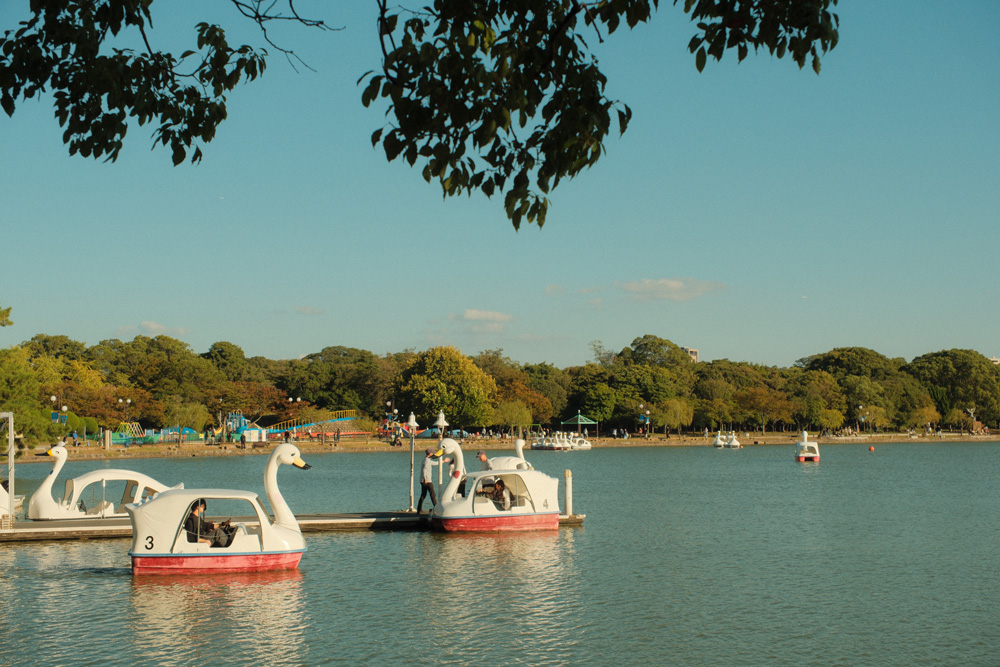
- Ohori Park: The largest park in Fukuoka is a must-see when visiting the city. In the park, you can find a large pond with swan boats that are up for rental. There are multiple walks, and you can also stop by the Fukuoka Art Museum.
- Momochi Seaside Park & Beach: As Fukuoka is a seaside city, we cannot leave Fukuoka without visiting Momochi Beach Park. There are multiple beach bars selling food and drinks, making it a great stop for a late lunch or early dinner.
- Fukuoka Tower: One of the best places to watch the sunset is from the top of Fukuoka Tower. For ¥1,000, you can go up the viewing platform, which gives you a 360-degree view of Fukuoka City.
- Hakata Gyoza Yuushin: For dinner, head back towards central Fukuoka. Apart from Hakata Ramen, Fukuoka is also known for its incredible gyoza. Not far from Band Hotel Hakata, you can find one of my favourite restaurants in the city: Hakata Gyoza Yuushin. It’s a bit hidden, but the atmosphere and food are incredible. Couldn’t recommend it more! (They also have other dishes, not just gyoza, but their gyoza are some of the best I’ve ever had!)



Day 3: Arita/Okawachiyama & Teacup Onsen Stay
Today, we leave Fukuoka and head into Saga Prefecture. Ideally, you rent a car in Fukuoka for two days.
In Fukuoka, there are a few Toyota Rent a Cars available. I pretty much always go with them when renting a car in Japan. They are affordable, easy to book and use, the cars I’ve had have always been great, and if there are any issues, Toyota helps quickly. The one time we had some damage on our car, all we had to do was call them, and they sorted it out for us.
You’ll want to rent it in Fukuoka and drop it off in Takeo Onsen the next day. It’s possible to pick a different drop-off point for short-term rentals in Japan; you just pay a small extra fee.
Can’t drive in Japan? No problem!
Instead of renting a car, you can use public transport, but you’ll have to skip a few parts of this itinerary. You can get the train to Arita from Fukuoka without any issues (skip Itoshima), this takes around 1.5 hours. You can add Okawachiyama, but it’s best to hire a taxi from Arita and back due to the lack of public transport in the area.
You can stay overnight in Arita and get to Takeo Onsen for the next morning within 20 minutes by train.
From Fukuoka, drive to Okawachiyama Village. It’s about 80km and will take around 1.5 hours. You can also stop at Itoshima on the way (for example, stop by Sakurai Futamigaura), but do keep an eye on the time. There are some other stops planned for today.
You can also stop at Fukuoka’s Sakurai Futamigaura’s Couple Stones on the way to Okawachiyama if you have a car. The couple stones are a popular spot, symbolising a happy marriage. The white torii gate in front of the two rocks is very beautiful! It is a small detour from the route, but worth it!

Okawachiyama may be one of the prettiest towns in Japan, but it has quite a sad history. The town is also known as “Village of Secret Kilns”, as it was completely isolated from the rest of the area for nearly 200 years.
The Nabeshima clan, who ruled the Saga domain at the time, moved the kilns and their potters to this remote village to keep the techniques a secret. The porcelain here was made for the shogunate and imperial court, so the stakes were quite high!
Many of the potters who lived here came from Korea and were forced to stay in the town. Today, you can find a monument here facing towards Korea, in memory of the Korean potters who were trapped here.
Today, the town is still filled with working kilns and shops that sell the most beautiful ceramics and porcelain. The chimneys poke out from pretty much anywhere, and everywhere you look, you’ll see traces of ceramics.


The village isn’t very big, so I spent around 3 hours in the town, including doing a pottery workshop. You can book the workshop here, but they don’t ship the finished product outside of Japan, so it may be tricky for foreign tourists who are visiting for a short time.
While in Okawachiyama, you can wander the streets to find porcelain bridges, statues and bells all across town. Countless shops are selling their own porcelain too (but remember that there are more ceramic shops in Arita, where we will go in the afternoon!). There are also remains of the old kilns that you can spot while wandering the town.

When you’re done in Okawachiyama, get back into the car and drive towards Arita. This should only take around 30 minutes. There are multiple free car parks in Arita, but I recommend parking near Tozan Shrine.
During my time in Kyushu, I spent a few nights in Arita, and it was simply wonderful. Such beautiful buildings, and so quiet. Tozan Shrine in particular absolutely blew me away! It may be the most beautiful shrine I’ve come across in Japan.
When visiting Arita in the afternoon, here are the spots I recommend checking out:
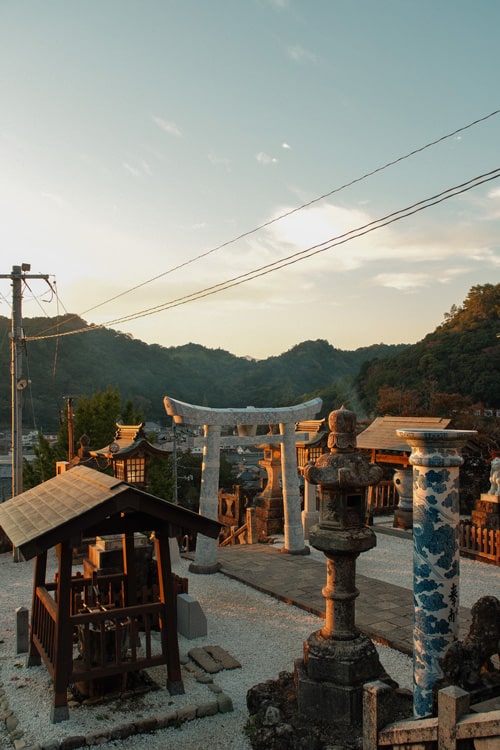
- Tozan Shrine: The best place to visit in Arita is Tozan Shrine. This one-of-a-kind shrine has a large torii gate made completely out of Arita porcelain. It is absolutely beautiful, especially at sundown. There are some more porcelain pillars on the shrine grounds, and you can even buy porcelain ema plaques and omamori.
- Izumiyama Quarry: This is the place where it all started. When one of the main ingredients for porcelain (kaolin) was found here in 1616, Arita became one of the main hubs for ceramics in Japan. You can still see the openings of the mines here even though they are no longer in use.
- Ishiba Shrine: This small and hidden shrine is often missed by people visiting Arita, but it’s next to the quarry. It has a porcelain statue of Yi Sam-pyeon, the Korean potter who discovered kaolin in Arita. When I was here, there was some Korean money put in front of his statue, which touched me quite a lot.
- The Great Ginkgo Tree: Inside Arita town, there is a large Ginkgo tree that’s said to be over 1,000 years old. If you happen to visit in autumn, you can enjoy the beautiful yellow colours from pretty much anywhere in town.
- Tombai Walls: All across Arita, you can find walls made of the remains of old kilns, fire bricks, old tools and pieces of porcelain. They are called tombai walls and date back to the Edo Period!
- Ceramics and porcelain shops: Similar to Okawachiyama, Arita is filled with local ceramic and porcelain shops. You can get some amazing pieces here for pretty much any budget. So make sure to plan some time to shop around.
You can also check out my detailed Arita day trip itinerary with more information about the town’s history and all the sites mentioned above.


Travel Tip
The popular Porcelain Treasure Hunt at Kouraku Kiln has come across my social media feed quite a few times, so I went to check it out myself when I was in Arita. You can fill a basket with their porcelain for a set price and spend up to 90 minutes going through all their boxes. It’s easy to get to if you have a car, so it could be a good place to shop for ceramics.
However, I was slightly disappointed at the options. Most of them were pretty plain or very similar. It looked like most of it was cherry-picked already. For the money you’d pay for a full basket, it may be better to go shopping in Okawachiyama and/or Arita and buy pieces you actually love and would use.
Once you’ve finished exploring Arita (and possibly bought some ceramics), it’s time to drive to the hotel for the night. One of the options in this Kyushu itinerary is to stay overnight in Arita. I have done so in the past, and it’s very lovely, especially if you go for an evening walk to Tozan Shrine to see it at sunset. I personally stayed at ZOKU IJINKAN Guest House, owned by one of the local artists, which I’d recommend!


Alternatively, drive onwards for 20 or so minutes towards Ureshino Onsen and book a room at Yuzennoyado Toukai for one of my favourite onsen experiences. This beautiful ryokan is famous for its private porcelain teacup baths.
As you will have seen today, Saga Prefecture is famous for its porcelain and ceramics, so this ryokan created massive teacups as baths. You can rent them out for an hour at a time (the private teacups aren’t included in the ryokan’s price, but a one-hour session only costs a couple of thousand yen). I’ve tried so many onsen I lost count, but this was definitely one of the most memorable ones!
A beautiful kaiseki dinner and breakfast are also included in the stay, and the tatami rooms were quite large. The dinner in particular was delicious, including beef we got to sear ourselves on a hot ceramic plate. It’s a lovely spot to unwind after your first few days in Northern Kyushu.


Day 4: Two Stars 4047 Scenic Train from Takeo Onsen to Nagasaki
One thing Kyushu is quite famous for is its sightseeing trains. There are around 10 of them across the whole island, and they give you a scenic ride in a themed train. It’s a great way to see more of Kyushu and experience something unique!
Luckily for us, the Two Star 4047 train runs between Takeo Onsen and Nagasaki along the beautiful coastline of West Kyushu, and Takeo Onsen is only a short drive from Ureshino or Arita. You probably already understand where this is going…
Important!
The Two Star 4047 only runs on Friday, Saturday, Sunday, Monday and public holidays. If your itinerary works out in a way that day 4 in Kyushu doesn’t fall on any of these days, you can drive to Nagasaki or get a regular train instead.
Alternatively, you can use this day to drive to the largest theme park in Japan: Huis Ten Bosch, which is based on the Netherlands! Having grown up in the Netherlands myself, I wasn’t quite sure what to expect, but I ended up loving my visit!

After a night in Ureshino or Arita, drive to Takeo Onsen. From Ureshino, it’s about 20 minutes, and about 30 minutes from Arita. Toyota Rent a Car has a branch right outside of Takeo Onsen Station, where the Two Star 4047 train departs from.
When I took the Two Star 4047 train, I dropped my car off here and quickly went to the FamilyMart nearby to pick up a few drinks and snacks for on the train. You can also pre-order bento boxes for on the train and get some extra drinks/snacks on board. By the time I got back to the station, the train was about to arrive.
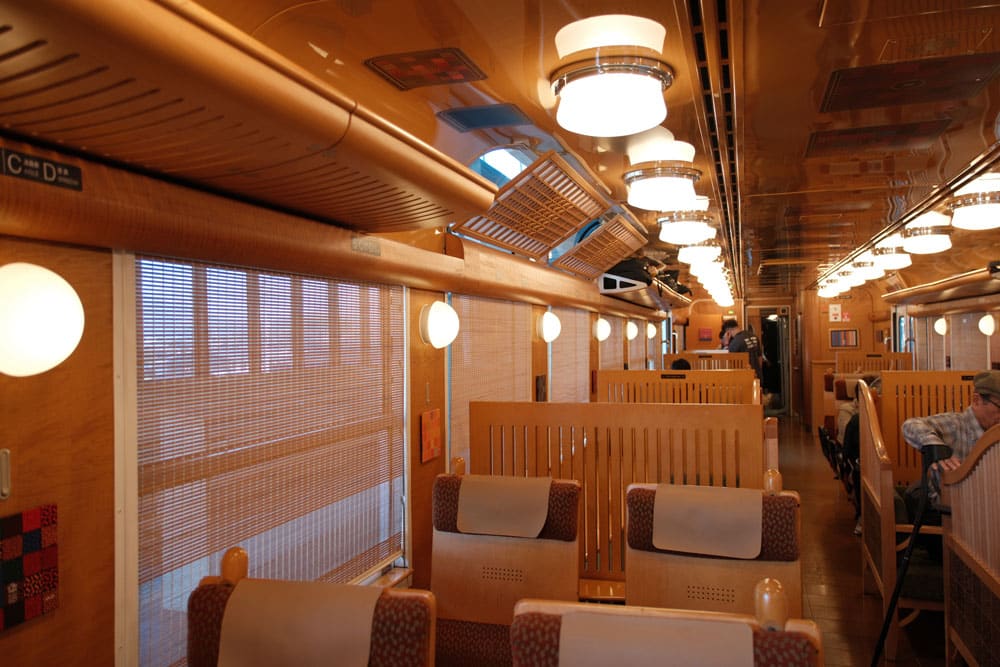
Since 2022, this train has been taking visitors from Takeo Onsen to Nagasaki and back. “Two Stars” refers to the two prefectures it drives through: Saga and Nagasaki, the two “stars” of Western Kyushu. It was so lovely to slow down and take the scenic route in a uniquely decorated train.
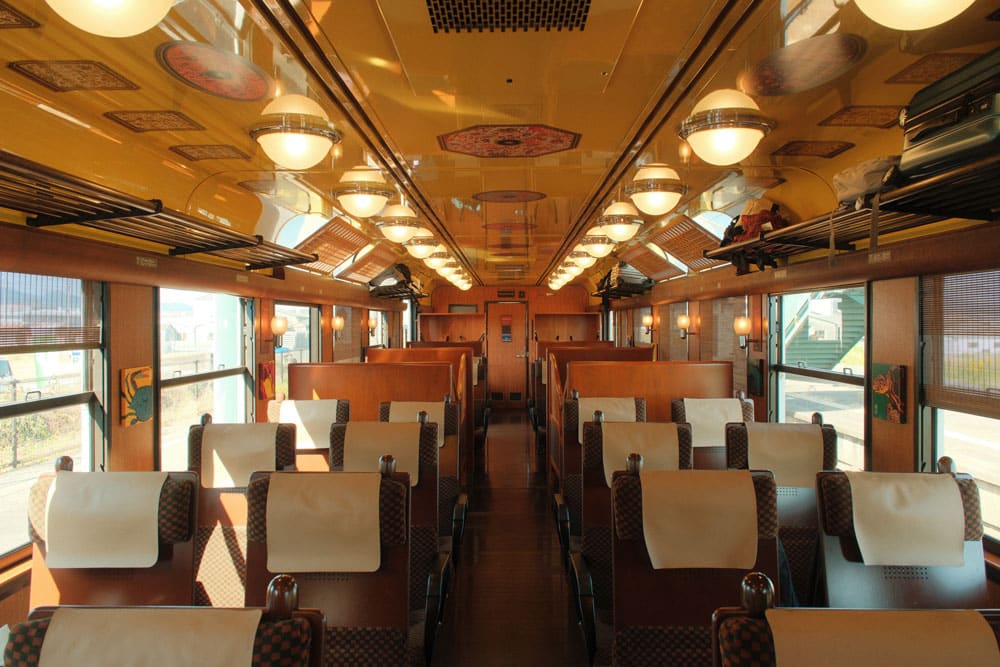
All journeys from Takeo Onsen leave at 10:22 am and arrive in Nagasaki around 1:15 pm. It drives along the coast, giving you beautiful views of the Ariake Sea and the rural landscape of these two prefectures. The afternoon route, from Nagasaki back to Takeo Onsen, takes a different route.
You will need to book tickets and reserve your seat in advance as there are only 87 seats available on the train. The best way to do so is online (JR website or Klook are the easiest options). The JR Kyushu Rail Pass gives you a free ride, but you’ll still have to pay ¥1,500 yen for the seat reservation. For this itinerary, it doesn’t make sense to get the JR Kyushu Rail Pass, so you’ll have to pay the full ¥5,250 fare.
The train journey takes around 3 hours, and it stops at a few places, compared to the 30-minute shinkansen that also connects the two places. The first stop was at a small train station, not long after we left, and there were some shops set up selling merch, snacks and drinks (including local sake). The staff here also offered to take photos of my husband and me next to the train, which was so sweet! The second stop was closer to the end, where you can take more photos of the train against the blue sea in the background.
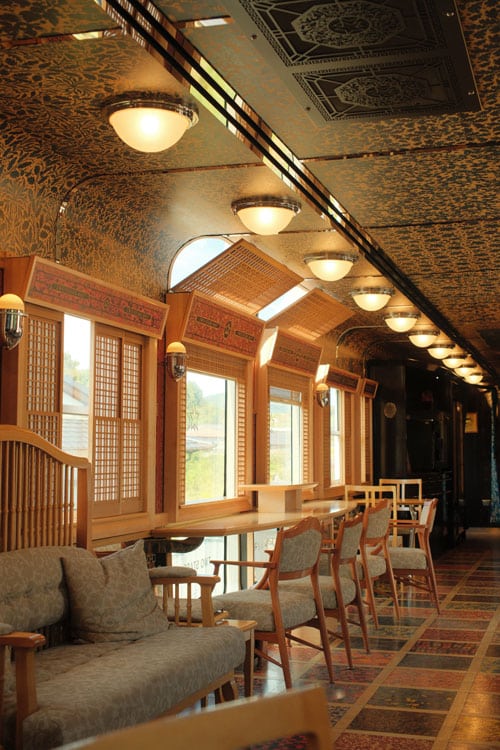
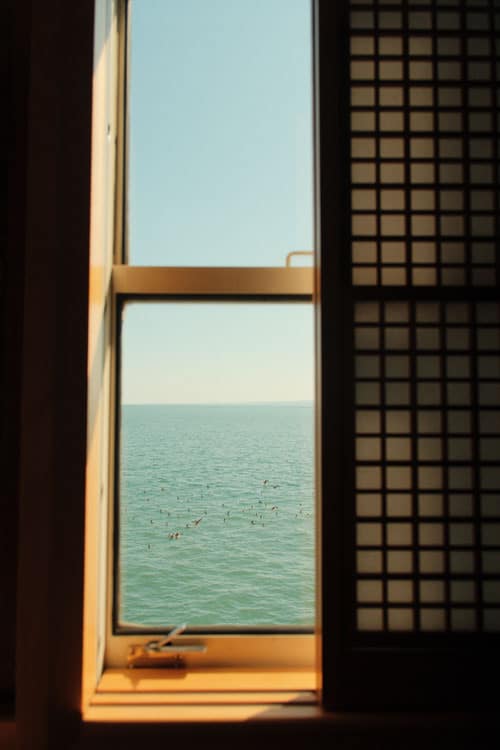
All three cars are beautifully decorated, with warm wood that reminded me of a boutique hotel. Cars 1 and 3 include reserved seats, and car 2 has free seats and a bar where you can buy drinks and snacks. You can use the seats during your trip, no need to reserve them. This part of the train is probably the most beautiful!
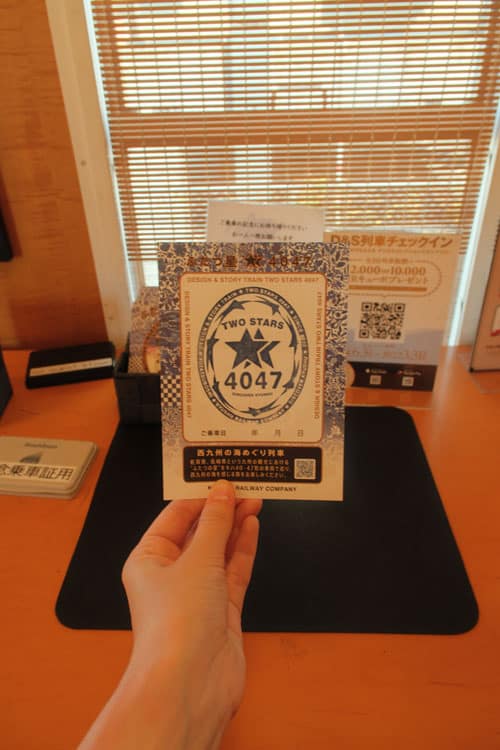
In car 1, you can also get a commemorative stamp of your journey in the Two Star 4047. I love collecting stamps all across Japan, so getting one from this unique train ride was top of my list. If you also got yours, I’d love to see it in our Japan Stamp Group on Facebook!

The Two Stars 4047 train arrives in Nagasaki around 1:15 pm, giving you the whole afternoon and evening to see some sights in the city. It will probably be a little too early to check into your hotel (as most hotels in Japan don’t allow check-in until 3 pm), but you can drop your luggage off at the hotel before check-in for them to store for a few hours.
The best hotel I’ve tried in Nagasaki is Candeo Hotel. It comes with large rooms and great views of the city. Plus, best of all, the Sky Spa, where you can enjoy a public bath with views of Nagasaki. I went there pretty much every evening after exploring the city, and it was simply stunning at night.
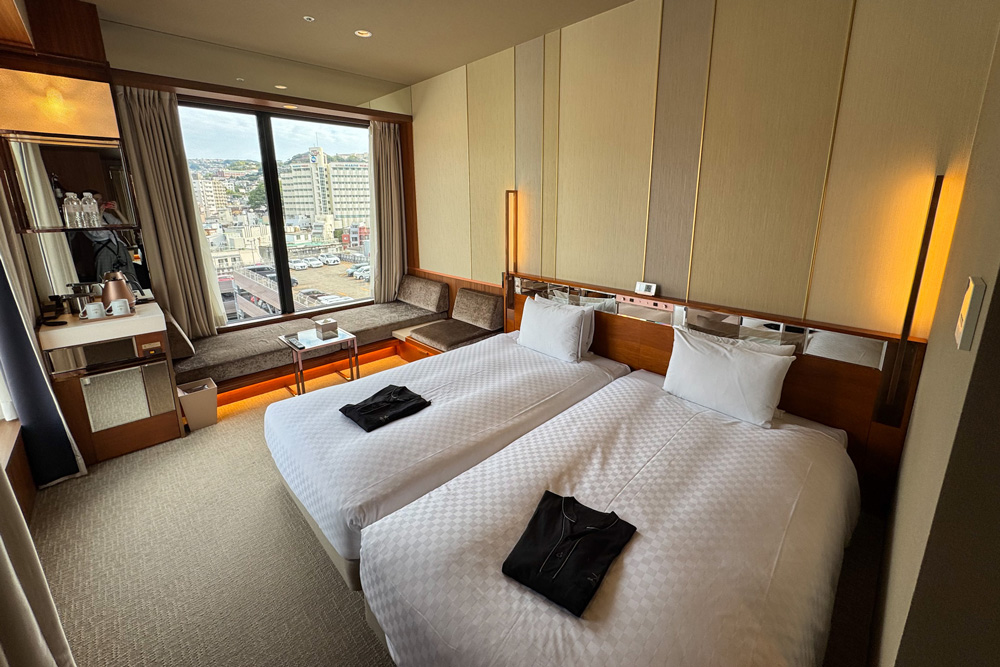

After dropping off your bags, you have quite a bit of time leftover in the day to see some of the sights in Nagasaki. The city obviously is known for the devastating bombing that happened here at the end of the Second World War, and we will spend a lot of time learning more about that on the second day in Nagasaki. But the city’s history goes back so much further.
As an important port town, Nagasaki was the home of Portuguese missionaries. This created the largest Christian community in Japan. The influences of this history are still seen across the city, a wink to when Dutch and Chinese merchants traded with the Japanese during Japan’s isolation. This is the part of Nagasaki we’ll focus on for the rest of the day.
Here is what I recommend to check out for the rest of the day:
- Glover Garden: This open-air museum houses some foreign residential buildings, showing you what Nagasaki will have been like for some of its foreign merchants centuries ago. There are quite a few buildings here, and I ended up spending a couple of hours exploring it. There are some lovely views of Nagasaki Bay here too.
- Dejima: During the 200-year isolation, no foreigners were allowed in Japan. However, the Dutch were allowed to settle on a small island off the coast of Nagasaki to trade with Japan. This part of the city is now connected to the mainland, and it has gone through extensive restoration to show you what it would’ve looked like during this time. As a Dutch person, I thought it was incredibly interesting to see!
- Nagasaki Chinatown: One of the three Chinatowns in Japan is located in Nagasaki. Understandable, as it’s a port town and many Chinese merchants settled here (similar to the other Chinatowns in Kobe and Yokohama). It’s the best place to try some of Nagasaki’s speciality dishes, such as Chanpon and Sara Udon.
- Ramen Hiiragi: Speaking of speciality dishes, not far from Nagasaki’s Chinatown sits Ramen Hiiragi. Here, you can try the famous tomato-based ramen. I was a bit apprehensive about trying it, but it was actually delicious!


I have a full 2-day Nagasaki itinerary with routes and info on some more sights.
Need help with a customised Kyushu itinerary?
I’ve explored Kyushu from top to bottom, finding lots of hidden gems and routes to recommend and make your trip perfect for your needs. If you want to chat about your trip, book a Japan travel consultation with me here.
Day 5: Explore Nagasaki
Today, we have a full day in Nagasaki, and it’s best spent in the north of the city. Today is all about the atomic bombing and the aftermath of this disaster. It can be quite emotionally heavy, but so important nonetheless.
Here is what I recommend doing on your full day in Nagasaki:
- Nagasaki Atomic Bomb Museum: Visiting the Atomic Bomb Museum is a must when in Nagasaki. Compared to the museum in Hiroshima, the Nagasaki museum is much smaller and felt less intense. There is still a lot to learn here, and it’s important to pay your respects to the victims. I ended up spending around 1.5 hours in the museum before heading to the Atomic Bomb Hypocenter Monument, which sits in the park next door.
- Urakami Cathedral: This building feels very out of place in Nagasaki, with its red bricks and European architecture. It was once the largest Roman Catholic church in the East. Understandably so, knowing how many Westerners settled here in the 16th century. The cathedral and the free museum nearby tell the story of how Christianity was banned in Japan, and how it impacted people in Nagasaki.
- Nagasaki Peace Park: In the park, you can find multiple statues and monuments remembering that awful day in 1945. The Peace Statue is one of the most famous ones, but you can also find thousands of colourful paper cranes hung here (the symbol of peace).
- Atomic Bomb Ruins of Shiroyama Elementary School: This spot is often missed by visitors to Nagasaki but is one of the most impressive ones in my opinion. This school stands around 500 meters from the hypocentre. Most of the people who were at the school died from the impact. Parts of the original staircase are open to the public, along with artefacts, photos and information on what happened. I thought it was more impressive than the museum in some ways.
- Sanno Shrine & The One-Legged Torii Gate: This shrine sits around 800 metres from the hypocentre, and part of the stone torii gate entrance was destroyed in the blast. Half of it remained upright, and still stands here today.
- Mount Inasa Night View: This view in Nagasaki was crowned as one of the best three night views in the world, alongside Shanghai and Monaco. You can get the 10-minute ropeway up from Fuchi Shrine for a beautiful 360-degree view of the city, the bay and beyond. It’s best to go just before sunset!


Day 6: Scenic Drive to Yanagawa
On the 6th day of this itinerary, pick up a car from Toyota Rent a Car in Nagasaki. We’ll be driving along the coast up towards Yanagawa in Fukuoka Prefecture, stopping at some of my favourite sights in the area.
Can’t drive in Japan? No problem!
If you can’t or don’t want to drive a car in Japan, you can still use this itinerary. Instead of renting a car, you can use the train system to travel from Nagasaki to Yanagawa. You’ll have to skip the points on the driving route, but you’ll have more time to explore Yanagawa.
After around 45-60 minutes in the car, you’ll start seeing the Prefecture’s (maybe even the country’s) most unique bus stops. They are all shaped like fruits!
They were created in 1990 for the Travel Expo, but the 16 bus stops are still very much loved today. You can find strawberry, watermelon, cantaloupe, orange and tomato-shaped stops here.
When we did this drive, I especially enjoyed the beautiful ocean views. The stops are quite spread out, so we stopped at a few to take some photos and enjoy the beautiful weather.

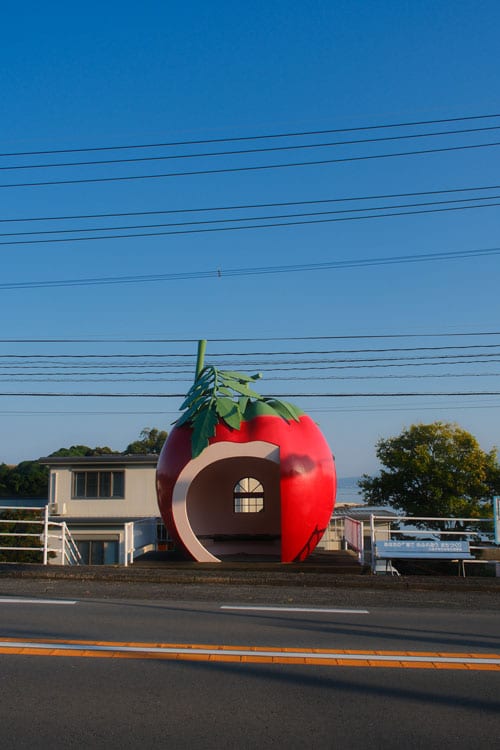

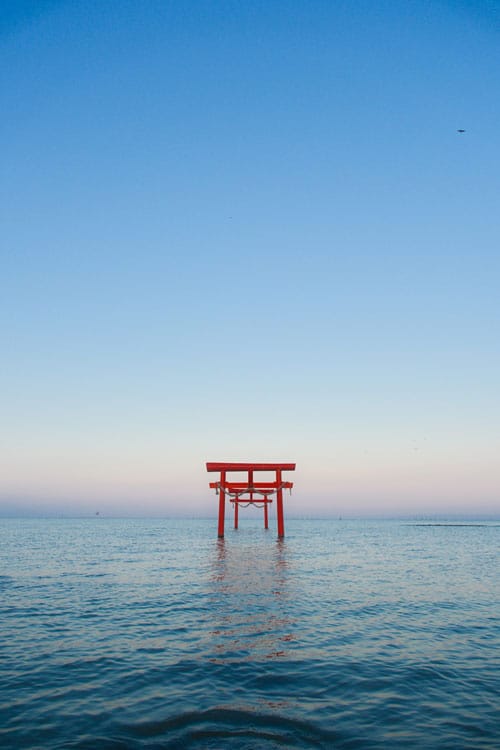
From the final bus stop, it takes about 30 minutes to drive to our next stop: the floating torii gates of Ōuo Shrine. There is a large free parking lot next to the shrine.
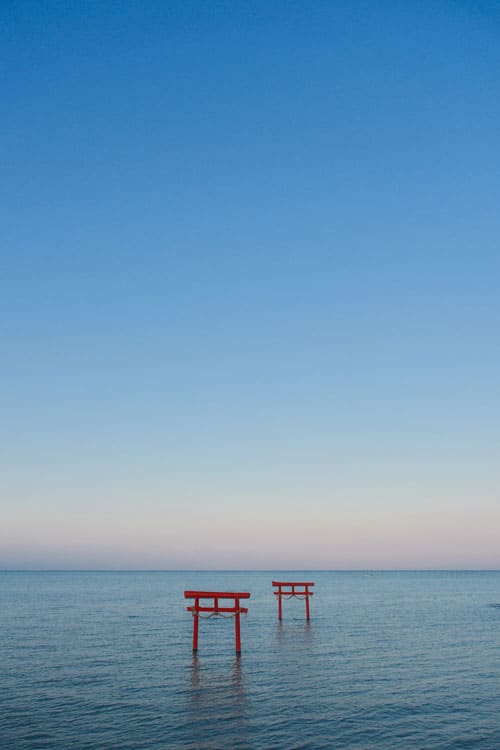
The three large torii gates are built into the sea, and at high tide look like they are floating. If you happen to visit at low tide, you can walk up to them. It’s kinda similar to the big torii gate on Miyajima, but much, much quieter.
When I visited, there were only two other people there, and it was very peaceful.
A short 15-minute drive onwards will get you to one of Japan’s most beautiful shrines: Yutoku Inari Shrine. It’s one of Kyushu’s top sights to see. The shrine was built in 1687 and is dedicated to Inari (yes, the same deity of Kyoto’s Fushimi Inari Taisha).
At this shrine, you can also find tons of red torii gates lined up, plus as it’s built upon large wooden stilts, it’s often compared to Kyoto’s Kiyomizu-dera. However, it’s much quieter than any of the big sights in Kyoto.
Take around 1 to 1.5 hours to explore the area properly, before driving onwards to Yanagawa (which should take about an hour).


When you get to Yanagawa, you can head straight to your hotel. During my visit, I stayed at Hotel Route-Inn Yanagawa Ekimae. It’s located next to the main train station, has a free parking lot, and it’s a hotel chain I’ve stayed with multiple times across Japan. It’s a business hotel, but it’s affordable and comfortable.
There are limited options for overnight stays in Yanagawa, so if you want to pick a different hotel, be sure to book it in advance. Also, if you’re planning to drive up to Fukuoka (or another part of Kyushu) on the final day of this itinerary, you’ll also need parking at your hotel, which can be tricky to find in Yanagawa.
Alternatively, you can drop off the car at the Toyota Rent a Car at Yanagawa Station and use public transport to head back to Fukuoka or travel onwards.
More than 7 days in Kyushu?
If you have more than 7 days in Kyushu, you could consider adding a night in Unzen Onsen after Nagasaki before driving up to Yanagawa. I have a full guide on Unzen Onsen with more information on what to see and where to stay.
Day 7: Yanagawa – Fukuoka
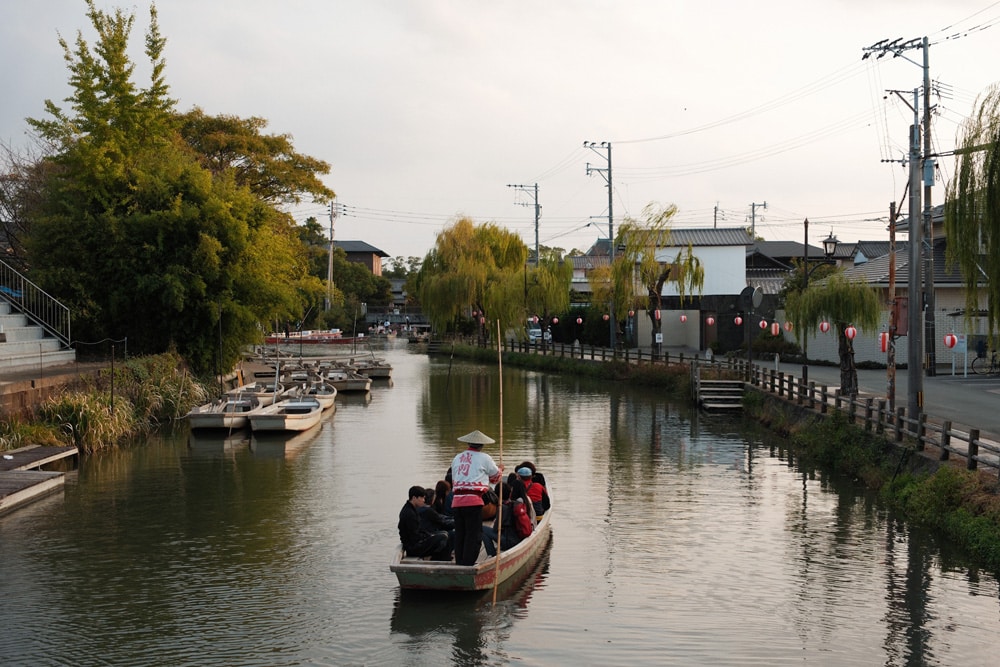
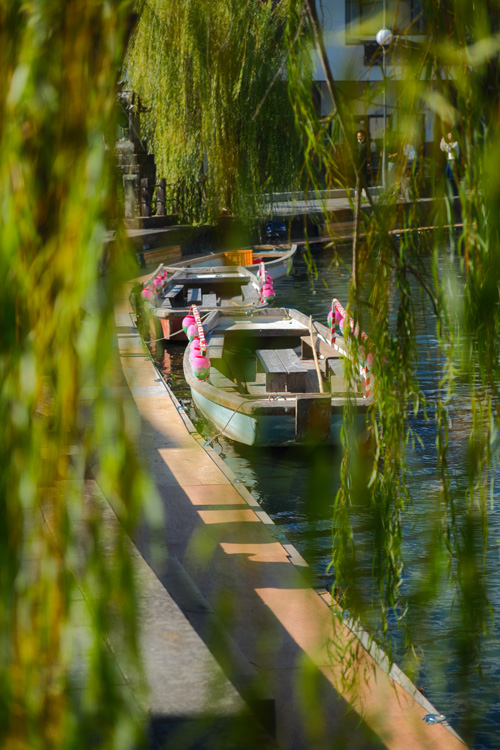
On our final day of this 7-day Kyushu itinerary, we spent the day exploring Yanagawa. Yanagawa is known as the Venice of Kyushu (not to be confused with Kurashiki, the “Venice of Japan”) for its many canals. I personally prefer Yanagawa over Kurashiki because it has way more canals, traditional houses and a better atmosphere.
Here is everything you should check out when spending the day in Yanagawa:
- Mihashira Shrine: This is one of Yanagawa’s main shrines and sits only a few minutes from the station area (and the hotel we stayed at). It’s also close to the boating platform, so it’s worth stopping by at the start of your day.
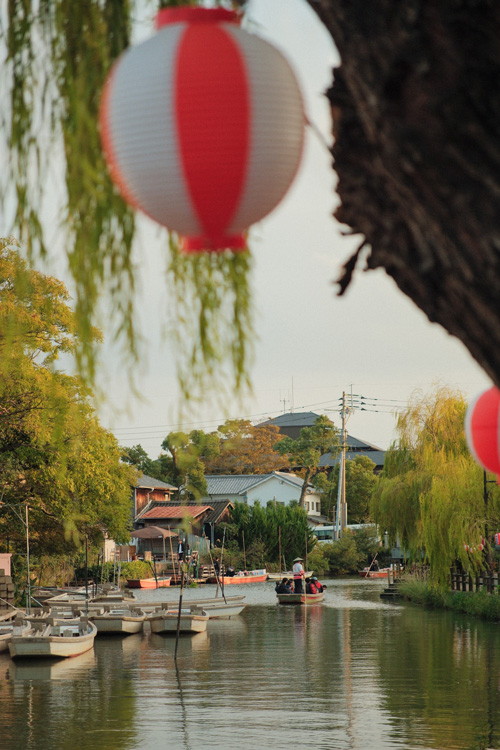
- Boat Ride on the Yanagawa Canals: You can either walk into the old town, or take one of the punting boats from near Mihashira Shrine (I recommend the boat!). A few different companies are offering these boat rides, all taking a slightly different route, but the one from Mihashira Shrine to the Old Town makes the most sense for this itinerary. The ride takes around an hour and was one of my highlights in Kyushu.
- Shoto-en Garden: In Yanagawa Old Town, make sure to stop by Tachibana-tei Ohana and its garden. It was once owned by the Tachibana feudal lords, and the building blends Japanese and Western styles perfectly.
- Former Residence of the Toshima Family: This spot is often skipped or missed for some reason, but this beautifully preserved traditional house is only a short walk from the Old Town, and it’s only ¥100 to enter. It’s not very big, but it’s beautiful to see inside.
- Yanagawa’s Steamed Eel: One of Yanagawa’s specialities is “Unagi no Seriomushi”. This freshwater eel is steamed on top of rice and topped with sweet soy sauce. I tried it at Maneidou Unagi, which sits on the main street along the canal in the Old Town. It was delicious! It can be a bit pricey, but it’s worth it!

Visiting in November?
If you happen to visit Yanagawa between November 1st and November 3rd, you can see the Hakushu Festival. When I visited Yanagawa, we planned our visit around this festival, and it was incredible. In the evening, tons of boats with lanterns take to the canals, going past live music performances. It was magical!
When you’ve finished exploring Yanagawa, there are some options for how to finish this Kyushu itinerary. If this is the end of your time in Kyushu, it’s easiest to head back to Fukuoka to either get the shinkansen or fly out from Fukuoka Airport.
The drive from Yanagawa to Fukuoka is around 1 hour and 10 minutes, but there is also a Toyota Rent a Car next to Yanagawa Station. If you’d rather drop off the car there, you can do so at the end of the 6th day when arriving in Yanagawa. The train only takes around 50 minutes and goes directly to JR Hakata Station.
Depending on how much time you have, you can also stop at Dazaifu on the way. This historical city sits between Fukuoka and Yanagawa, and is very easily accessible from both. It’s mainly famous for the stunning Dazaifu Tenmangu Shrine, where countless students come to pray for good exam results. It’s a lovely half-day trip from either Yanagawa or Fukuoka!
Alternatively, if you want to see more of Kyushu, you can continue East or South from Yanagawa. As I’ve already said countless times in this guide, Kyushu really is a lot bigger than most people expect, and there is so much to see. If you want to add some extra days to your Kyushu trip, I’ve added some extra options to add on below:
How to Extend This Kyushu Itinerary
Even after two months of driving around Kyushu, there are still more places I want to see and visit. It is such a beautiful and special place, and it’s such a shame so many tourists don’t even consider it on their first trip to Japan.
Because this 7 day Kyushu itinerary allows you to properly see parts of Northern Kyushu, rather than rushing through the whole island, you may want to add some extra time after Yanagawa to see more of the East, Middle and South of Kyushu.
From my own travels across Kyushu, here are some of my favourite places to consider adding:
- Beppu Onsen (Oita Prefecture): One of the best onsen towns in Japan, Beppu is one of the best additions to this 7 day Kyushu itinerary. The town has 7 “hells”, or geothermal ponds of hot spring water, which look otherworldly. There are hot spring baths, sand baths, and mud baths to enjoy during your stay here. I have a dedicated Beppu itinerary with more information.
- Kumamoto City: Kumamoto is one of my favourite cities in Kyushu. It has a beautiful castle and gardens and generally feels like a welcoming, easy-going city. You may have seen its mascot, Kumamon, in other areas of Japan. Kumamoto is also a great base to explore Kyushu, as it’s located very centrally.
- Kurokawa Onsen (Kumamoto Prefecture): Kyushu is famous for its volcanic activity, and with it, its hot springs. Not far from Kumamoto City, you can find my personal favourite hot spring town on Kyushu (better than Beppu, in my opinion!) Kurokawa Onsen. This quiet town has beautiful ryokan and multiple public baths that you can try with the Nyuto Tegata pass. It reminded me a lot of Kinosaki Onsen!
- Mount Aso (Kumamoto Prefecture): This active volcano not far from Kumamoto offers some of the best scenic drives in Kyushu. If you have a rental car in Kyushu, you should really consider stopping at the Daikanbō Lookout, Kusasenrigahama, and the Aso Nakadake Crater. It’s unlike anything I’ve ever seen!
- Takachiho Gorge (Miyazaki Prefecture): This beautiful canyon in Miyazaki Prefecture is one of the most popular spots people visit on their Kyushu itineraries, and you can combine it quite well en route towards Southern Kyushu. It features a 17-meter-tall waterfall, and you can rent a boat to float through the canyon yourself. It can get busy, but it really is one of the most beautiful places I’ve visited in Japan.
- Udo Shrine (Miyazaki Prefecture): One of Kyushu’s best shrines, built partly inside a cave of a large cliff on the Miyazaki coast. The views of the sea are incredibly beautiful, especially in contrast with the bright red wood of the shrine.
- Kagoshima City: Kagoshima City sits just a few kilometres from the Sakurajima volcano, which is active. As I mentioned, Kyushu is the island of volcanoes! You can see the volcano from the shore, it’s quite impressive!
- Ibusuki (Kagoshima Prefecture): This hot spring town at the southern tip of Kyushu is the best place for trying natural sand baths (sunamushi onsen).
On the map below, you can find the locations of the places mentioned. I also have a dedicated guide on unique things to do in Kyushu with even more ideas.

Final Thoughts on Visiting Kyushu
I can’t begin to explain how lucky I feel to have explored Kyushu for 2 months, and I am going back later this year to see even more of the places I had to miss. It’s such a shame that most people stick with the Golden Route and never look for other areas in Japan, when there is so much to see!
If you need any help with your trip to Japan, check out my Japan travel consultation services, where I can help you put together the perfect Kyushu itinerary (or other area in Japan) for your personal wishes and wants!