When people say they’re visiting Nara, they usually mean Nara Deer Park and the surrounding areas. And it makes sense. It’s easily accessible from Kyoto and Osaka, plus there is lots of English info online about taking a day trip. However, the deer park is only a small part of Nara City, let alone Nara Prefecture!
With overtourism causing issues in certain spots in Japan, including Nara Deer Park, it makes sense to look to other nearby spots to visit. Nara Prefecture has SO much to offer, and after spending some extra days there myself, I was surprised at how quiet it was outside of the main area.
Even if you’re only in Japan for a short time, I encourage you to consider adding one or two extra days in Nara and exploring the prefecture beyond the deer park. Below, I’ll share some of my favourite areas in the prefecture.
* During my last visit to Nara, I got to work with the Nara Tourism Board to explore more of the Prefecture. All research, views and opinions are my own.


Reasons to Stay Overnight in Nara Instead of a Day Trip
Nara is a very popular day trip from Osaka and Kyoto. You can get there within an hour, explore the park and main sights in around 6–8 hours and be back at your hotel in Osaka/Kyoto before dinner.
My one-day Nara itinerary is one of the most popular articles on this website, and while I’m so happy that people visit this place, I want to put a bit more emphasis on what to see BEYOND the deer.
I’ve already rewritten my one-day guide to include trips to take FROM Nara Deer Park after staying overnight, but I wanted to highlight it even further in this separate article. After taking some time to explore more of Nara Prefecture, I’m especially excited to share more of this part of Japan with you.
1. Quiet Mornings and Evenings
My last visit was the first time visiting Nara after the pandemic, and the crowds were overwhelming inside the deer park and surrounding streets. From 10 am until around 4 pm, the main streets were overflowing with people. It was still a lovely day re-exploring the area, but it was shocking to see how busy it had gotten compared to my other visits over the years.
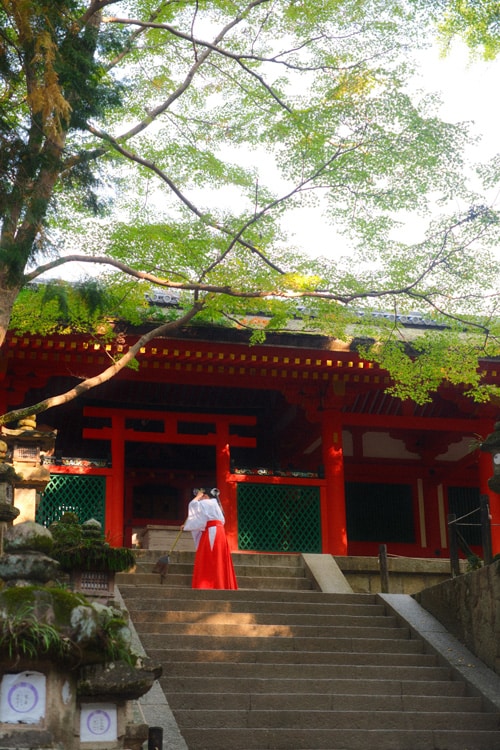
As I had planned to explore more of Nara Prefecture on my most recent trip, I stayed overnight in Nara for a few nights (and in different areas in Nara!). After my first night, I got up to have a walk around Todai-ji and Kasuga Taisha Shrine before venturing out of the main area, and it was pretty much EMPTY.


I didn’t even have to get up super early to avoid the crowds. I got to Todai-ji at around 8:00 am, and it was nearly 9:30 am by the time I got to Kusagu Shrine. The deer seemed a lot calmer too, a lot more “natural” and less overwhelmed by the crowds of people, chasing them for food.
This was on a Friday, and at around 9 am, we noticed the first school buses arriving at Todai-ji. At Kusagu Shrine, it was still practically empty around 9:30 am. When we made our way back to the main area around 10, that’s when it started to pick up.
It wasn’t until 10-11 am that the streets started to fill with school trips and day trippers. Experiencing Nara almost empty early in the morning was magical, and it reminded me of what it was like when I visited Nara for the first time years ago.


2. You Get to Explore More of Nara Prefecture
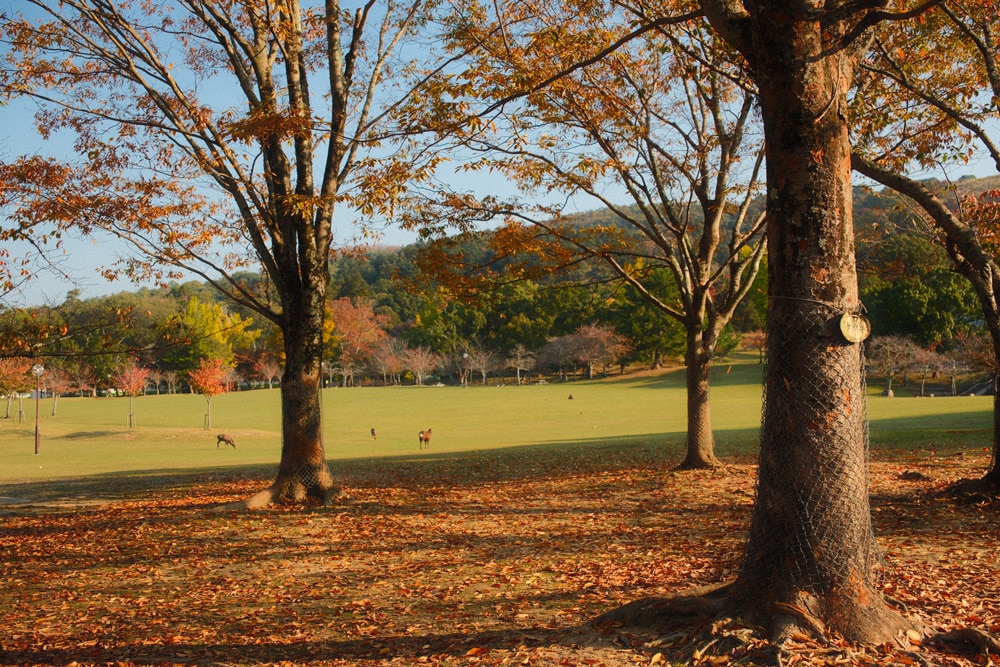
Another big plus of staying overnight in Nara is being able to explore beyond the deer park. When visiting Nara for the day, most people loop around the park, visiting Todai-ji and Kasuga Taisha Shrine along the way, and call it a day. While these spots are definitely worth visiting, there is so much more to see and do in Nara Prefecture, but without the crowds.
Most of the sights I visited in Nara are reachable within 30–90 minutes on public transport from Nara’s main train stations. Plus, they were much quieter, even during the peak autumn season when I visited! Overtourism is often mentioned when discussing Nara, and while the deer park itself is indeed very crowded nowadays, other areas in Nara could use the extra visitors. It’s actually a goal of the tourism board to get more people to the middle and the south of the Prefecture.
As Nara is the first permanent capital of Japan, there is so much history to unveil here. What many people don’t know is that the actual first capital was located just below Nara, in Asuka. It’s very easy to visit from Nara, and the town is beautifully preserved. There are countless ancient tombs scattered around the area.
Some areas surrounding Asuka also carry a lot of meaning and history. These places are often missed by visitors, but I absolutely loved exploring them. Four days in Nara were nowhere near enough, and I am already planning to spend some more time in this Prefecture hopefully this or next year.
Even adding one extra day to visit one or two of these spots could add so much to your time in Japan:
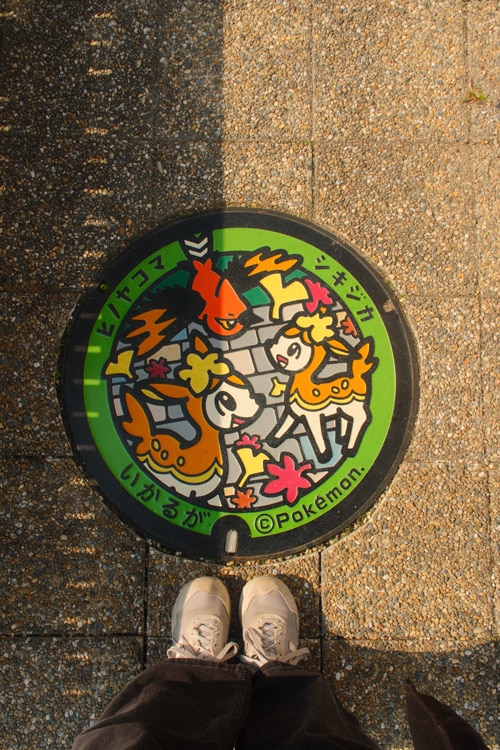
- Horyu-ji Temple (30 minutes from Nara Station): Dating back to 607, this is one of the oldest temples in Japan. This temple and Himeji Castle were the first UNESCO World Heritage Sites in the country, as the main hall and pagoda are the oldest surviving wooden structures in the world. It’s very easy to visit here from Nara, and it is by far one of the most beautiful pagodas I’ve ever seen in real life. The temple grounds were incredibly quiet, apart from a couple of school classes that were visiting for the day. You can also find all five Pokémon Manhole Covers in Nara Prefecture between the train station and the temple.
- Omiwa Shrine (30 minutes from Nara Station): This shrine is considered to be one of the oldest in Japan, although the exact age isn’t known. Located in the middle of a dense forest, Omiwa Shrine is quite impressive. Many people leave sake and eggs as offerings here. Between the station and the shrine, you can find many shops and restaurants too, making it a lovely half-day trip from Nara.
- Asuka (one hour from Nara Station): As previously mentioned, Asuka is the official first capital of Japan. The area is very well-preserved, very quiet and very beautiful. You can hire a bike at the rental next to the station and enjoy cycling through rice fields, and experience the Japanese countryside. Asuka is especially known for the countless ancient tombs that can be found in the area. The discovery of the Takamatsuzuka tomb in the 1970s played a huge role in the preservation of Japanese culture in modern times. You can use my Asuka itinerary to find some of the best spots to visit in this area.


- Mount Yoshino (one hour from Nara Station): Mount Yoshino is arguably the most well-known spot in Nara outside of Nara Deer Park. With over 30,000 cherry trees, this mountain is one of the best places to enjoy cherry blossoms in spring. It’s also exceptionally beautiful during the autumn.
- Imaicho Town (one hour from Nara Station): Not far from Asuka, you can find this well-preserved merchant town from the Edo Period. Located in Kashihara City, this district has a good number of old houses and shops.
- Hasedera Temple (1.5 hours from Nara Station): A little bit further from Nara Deer Park, but you can combine this with some of the other sights further South in Nara Prefecture. Hasedera dates back to 686 and is often regarded as one of the most beautiful temples in the area. The temple is often covered in flowers; it even goes by the nickname “temple of flowers”. It’s especially beautiful in June when the hydrangeas bloom.
- Tsubosakadera Temple (1.5 hours from Nara Station): This temple is another spot that can be combined with an area further south, like Asuka. As this temple is a mix of Japanese and Indian styles, it’s quite unique. The large Buddha in the middle of the temple is especially beautiful during autumn when a viewpoint reveals it surrounded by red leaves. There are also some Indian-style Buddhas around the temple grounds.

3. You’re Giving More Support to the Prefecture
Looking at the data from Japan Tourism Statistics, Nara Prefecture only accounts for 0.3% of foreign overnight stays in 2024, ranking 29th out of all 47 prefectures. This is despite the prefecture ranking 7th of visited prefectures by foreign tourists (at 8.8%).
I was quite shocked to see this number, especially when looking at how Kyoto and Osaka account for 9.9% and 16.7% of foreign overnight visitors retrospectively.
While income through tourism isn’t everything, it can help maintain the prefectures and fund areas. Staying overnight brings way more money to a prefecture compared to only visiting for the day. On the bright side, the number of foreign overnight stays did increase compared to 2023 numbers, and I’ll be interested to see how it keeps changing over the next few years.
When visiting Nara on a day trip, you probably only spend a bit of money in the prefecture for some lunch, some deer crackers and maybe a souvenir or a cup of coffee. When staying overnight, spending increases. You can think of accommodation, more meals and maybe even travelling inside the prefecture.
This shouldn’t be your only reason to add a couple of nights in Nara to your itinerary, but it’s definitely worth considering at a time when overtourism in Japan is causing some issues in certain areas.
Where To Stay in Nara
I understand that staying overnight isn’t always an option, especially if you’re visiting Japan for the first time and you’re eager to tick off all the main spots. However, if you want to see a bit more of Japan without the large crowds, I think adding one or two extra days in Nara Prefecture is the perfect chance to seamlessly fit this into your itinerary.
It’s also worth mentioning that changing hotels doesn’t have to be too complicated. Instead of dragging your luggage to Nara, you can use services like Yamato to forward your main luggage to the next hotel, while taking a smaller overnight bag to Nara. Or, you can use one of the many luggage storage spots at the main train stations (in either Kyoto or Osaka, for example).
Here are the hotels I stayed in during my last trip to Nara:
HARUYA Naramachi
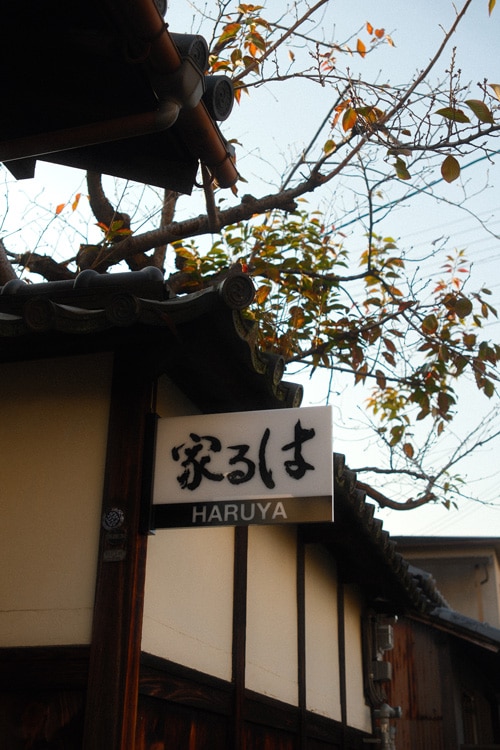
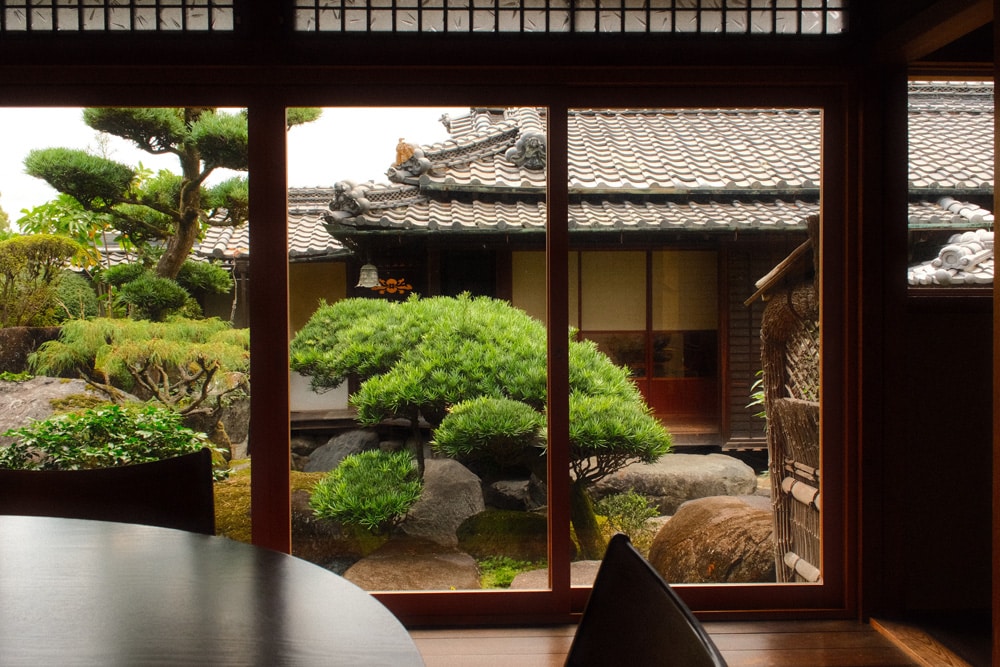
This lovely ryokan is located within walking distance of Nara Deer Park and both Nara stations, making it a perfect budget-friendly spot to stay for one night. The Naramachi neighbourhood is a former merchant area, and the streets are still lined with many traditional buildings.
In this 100-year-old Japanese ryokan, you can either rent one of the Japanese-style rooms for the night or opt for a private garden house. My husband and I stayed in one of the garden houses, which was very modern, plus it was nice to have our own space.

Noborioji Hotel Nara
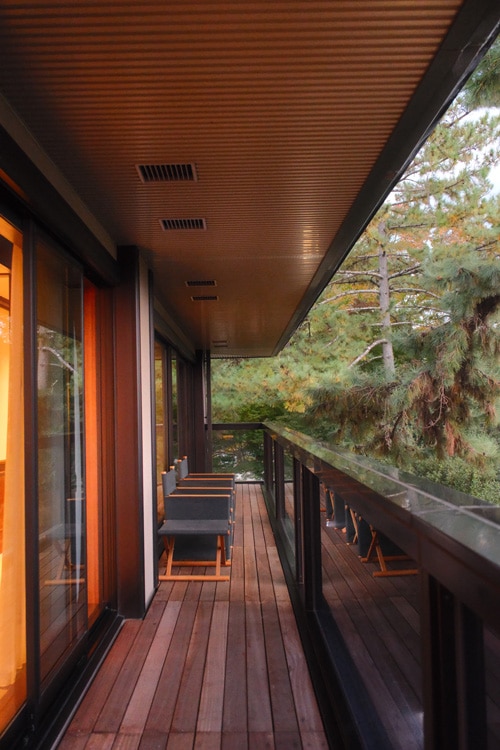
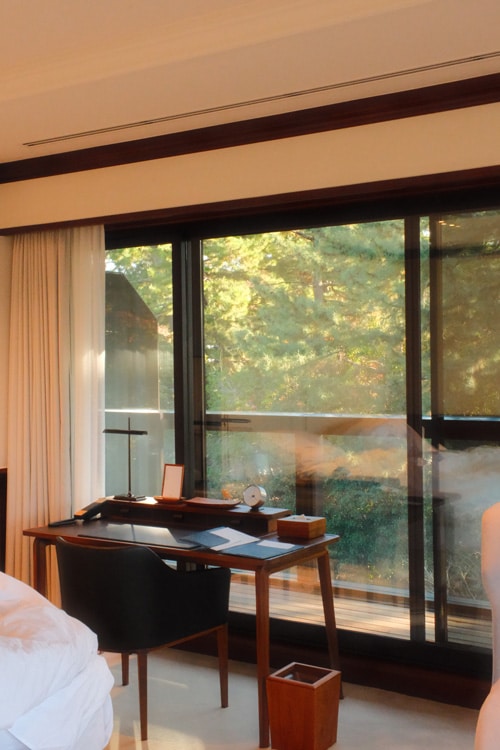
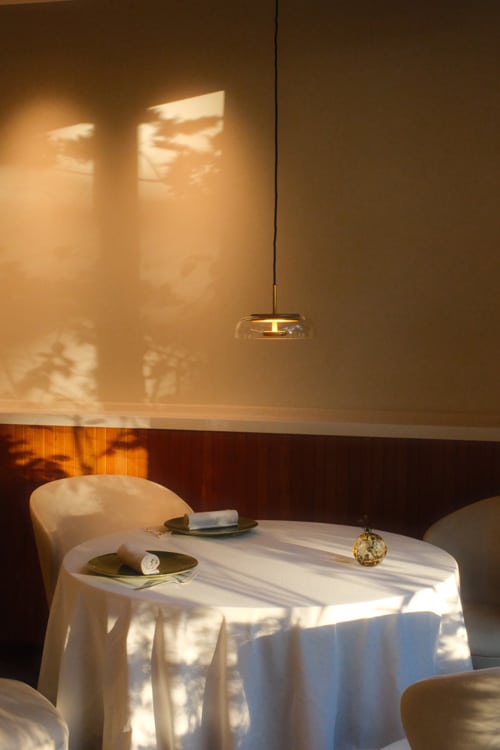
The Noboroji Hotel in Nara is one of the most luxurious hotels I’ve ever stayed in. Located pretty much next to one of the main stations in Nara, it’s perfect for exploring the Prefecture a bit further but staying central.
This stunning hotel is acclaimed by the Michelin Guide. They take care of absolutely anything during your stay, allowing you to have the most relaxing time in Nara possible. Our room looked out over the Kofuku-ji temple grounds.
Candeo Hotels Nara Kashihara
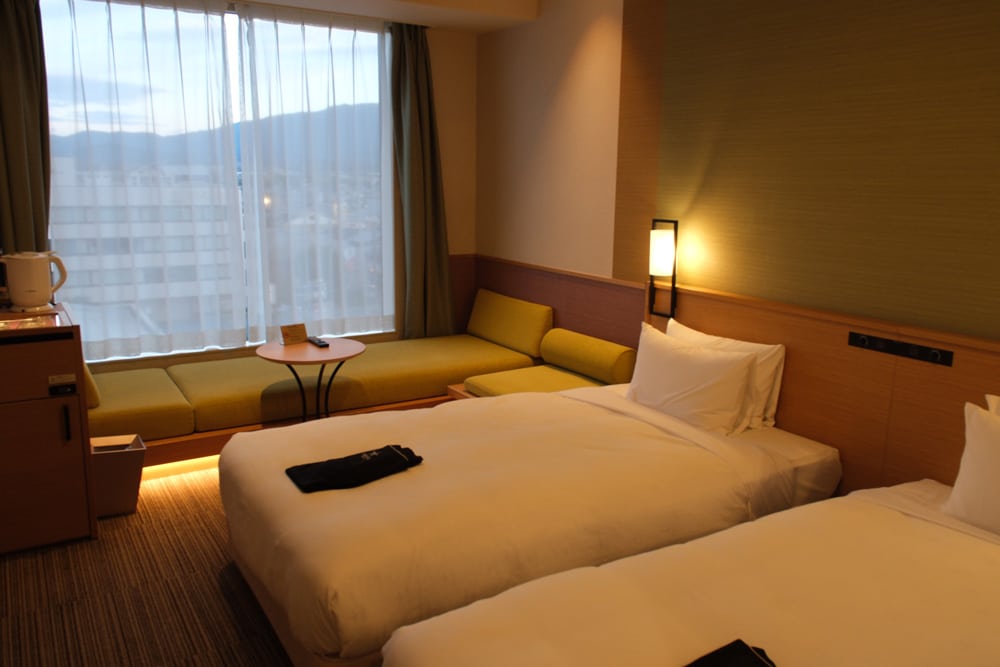
This hotel is located in Kashihara, just south of Nara City. If you’re looking to explore Nara Prefecture a bit further and visit spots like Asuka, Imaicho, Tsubosakadera and/or Mount Yoshino, this could be a great halfway point!
Candeo is a hotel chain I personally really like. I’ve stayed in their hotels in different areas of Japan, and they’ve never disappointed, so I was happy to see they also have one in Kashihara. The biggest plus of this hotel is the sky spa, where you can enjoy a sento overlooking the city. It’s beautiful at night!
(SPECIAL STAY) Nipponia Tawaramoto Maruto Shoyu
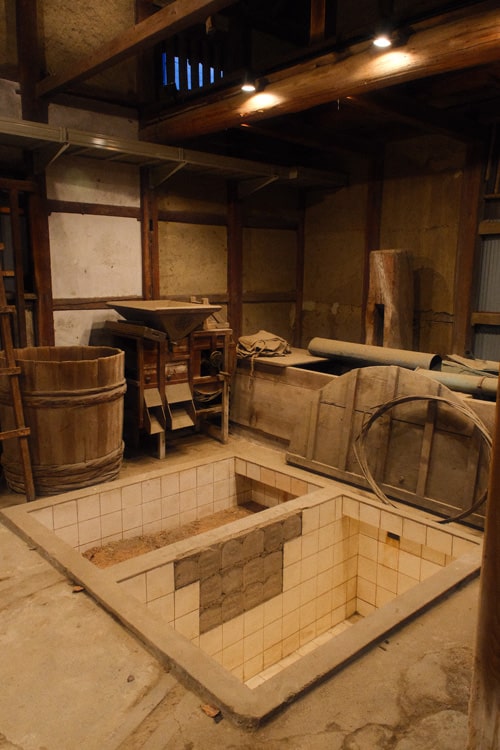
If you’re looking for a unique stay in Nara Prefecture, this old soy sauce brewery is the one. Being the oldest soy sauce factory in the whole prefecture, I can’t think of a place more authentic and unique.
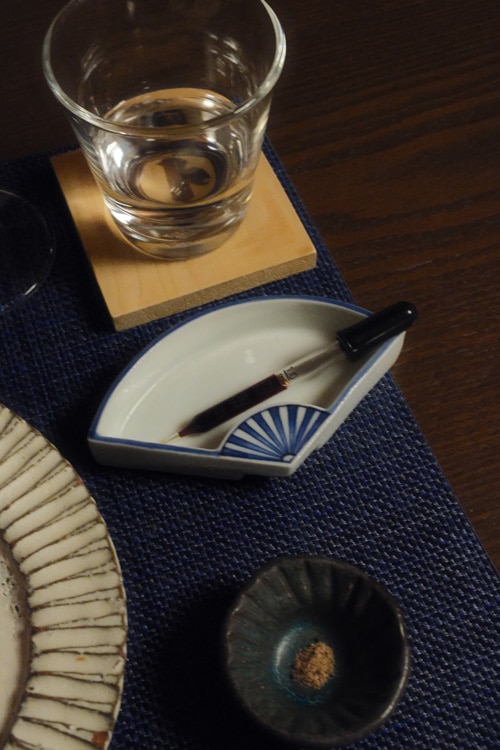
Not only can you stay overnight in one of the refurbished rooms, but you can also take a tour throughout the brewery to learn how soy sauce is made. We even got to try pressing our own soy sauce, which we then got to try afterwards.
Dinner and breakfast are also included, incorporating their soy sauce in every dish. It was an incredible experience, and since this spot is located near Kashihara and Sakurai, it can be a great midway stop before you explore more of South Nara.
You can read my full review here.
Staying Overnight in Nara – Conclusion
Putting together a plan for your own trip to Japan can be overwhelming, and it may seem easier to stay with the regular Golden Route, especially for your first time. However, making a small detour and adding off-the-beaten-path areas like Nara into your plan can make a world of difference.
I think adding one or two extra days in Nara Prefecture, especially in the south or middle, is a great idea for first-time visitors. Since Kyoto/Osaka with a day trip to Nara are often already on first-time visitors’ plans, an extra day in Nara can be planned almost effortlessly. Plus, it will give you a chance to see parts of Japan that aren’t overcrowded.
Spending a bit more time in Nara Prefecture was one of the highlights of our last stay, and I am already eager to go back and see more!







Nele – I really am appreciating the great information you are sharing. thank you. Peter
So glad to hear it Peter, thank you!